Toyota to Restart Most Japan Production Lines After Earthquakes
Toyota will resume vehicle production at most of its Japanese plants from 25 April, following earthquake-related supply disruptions that halted output for nearly a week.
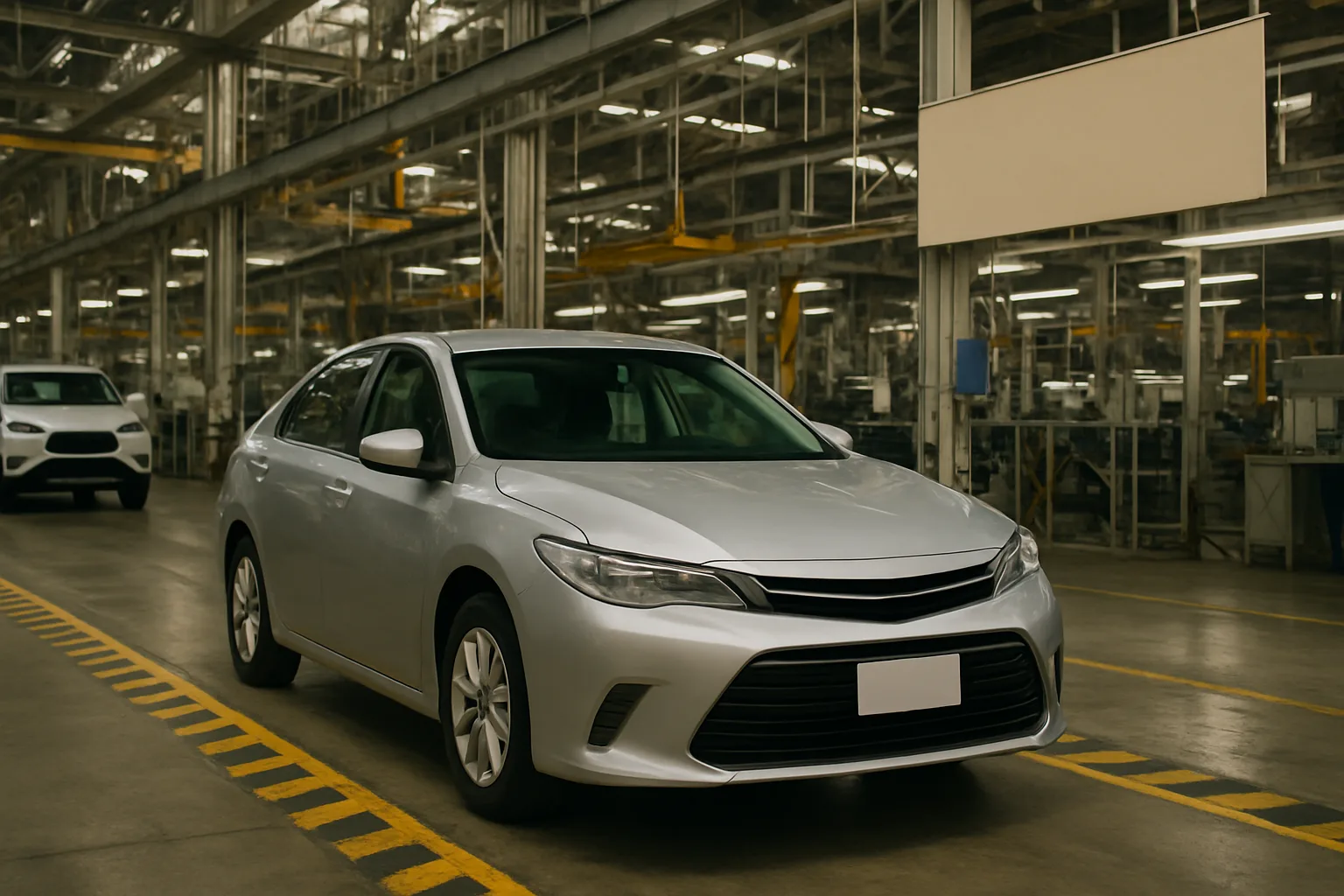
Toyota will restart most of its vehicle assembly lines in Japan from 25 April, after production was suspended due to parts shortages caused by the recent earthquakes on Kyushu. The company halted output in stages between 18 and 23 April as suppliers struggled to deliver components following the disaster. The earthquakes, which struck Kyushu in mid-April, forced the world’s largest carmaker to temporarily shut down the majority of its domestic plants. The disruption affected both Toyota and its parts suppliers, interrupting the flow of components needed for assembly lines across the country.
Toyota to Resume Production After Kyushu Earthquakes
Plants Remaining on Hold
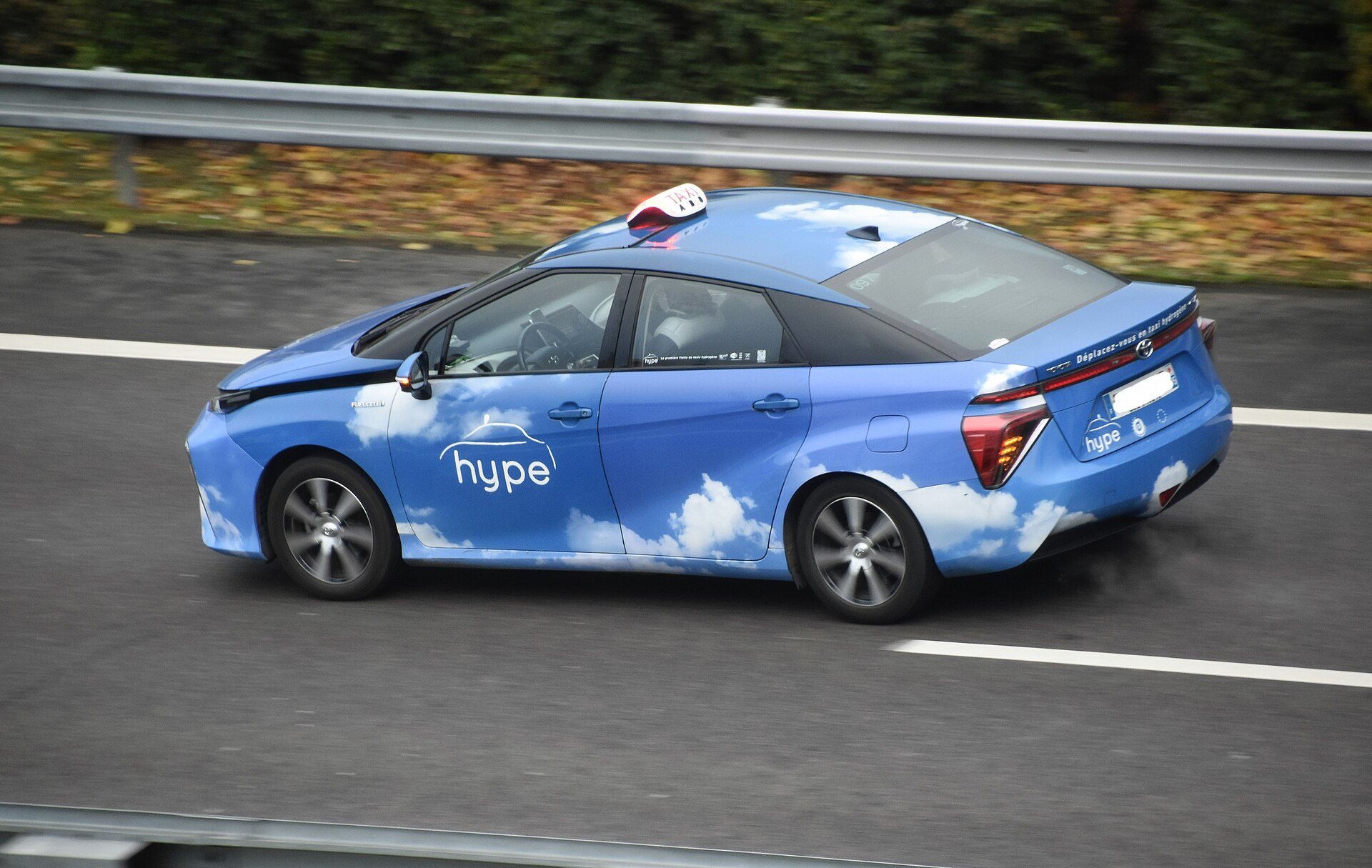
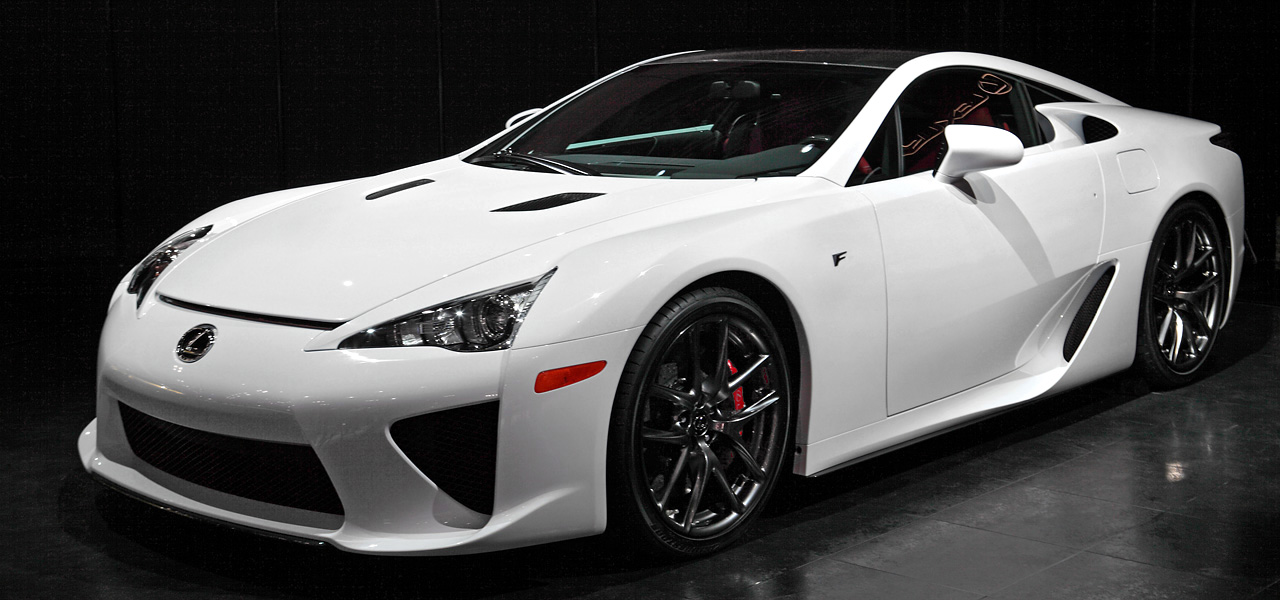
While most plants will restart, Toyota confirmed that some facilities will remain closed for the time being. These include the Motomachi and Miyata plants. Motomachi is notable for building the Mirai hydrogen fuel cell car and the Lexus LFA supercar, while Miyata produces several Lexus models such as the NX and RX SUVs, and the ES and GS saloons. The CT hybrid hatchback is also assembled at Miyata. The phased restart means some Lexus and hydrogen model production will remain disrupted, with no confirmed date for full resumption at these sites.
Impact on Production and Financial Consequences
The temporary shutdown had a significant impact on Toyota’s output. Analyst estimates at the time suggested that a full week of lost production could total fewer than 90,000 vehicles and cost Toyota between 50 billion and 70 billion yen. This financial hit, calculated by industry analysts, reflects the scale of disruption caused by the earthquakes and the vulnerability of global supply chains to natural disasters. The suspension not only affected Toyota’s own operations but also had knock-on effects for its suppliers and potentially for employees at affected plants.
This is not the first time Toyota has faced such disruption in 2016. Earlier in the year, an explosion at the Aichi Steel plant, operated by one of Toyota’s affiliates, led to a halt in the production of steel parts. As a result, Toyota suspended all domestic vehicle assembly lines from 8 February through 13 February. That earlier incident highlighted the risks associated with reliance on single suppliers for critical components and the potential for cascading effects throughout the manufacturing process.
Ongoing Uncertainty for Some Models
With the Motomachi and Miyata plants still suspended, the production of key models such as the Lexus LFA, Mirai, NX, RX, ES, GS, and CT remains on hold. Customers waiting for these vehicles may experience further delays. The company has not provided a timeline for the full resumption of operations at these sites, leaving some uncertainty for both customers and dealers. Toyota’s gradual restart approach is intended to balance the need to resume production with the ongoing challenges in the supply chain and the safety of workers in affected regions.