Nissan Leaf Extends US Sales Lead Over Chevrolet Volt in 2011
Nissan's all-electric Leaf outsold the Chevrolet Volt in the first half of 2011, with 3,875 units to the Volt's 2,745, as supply constraints and price differences shaped the early EV market.
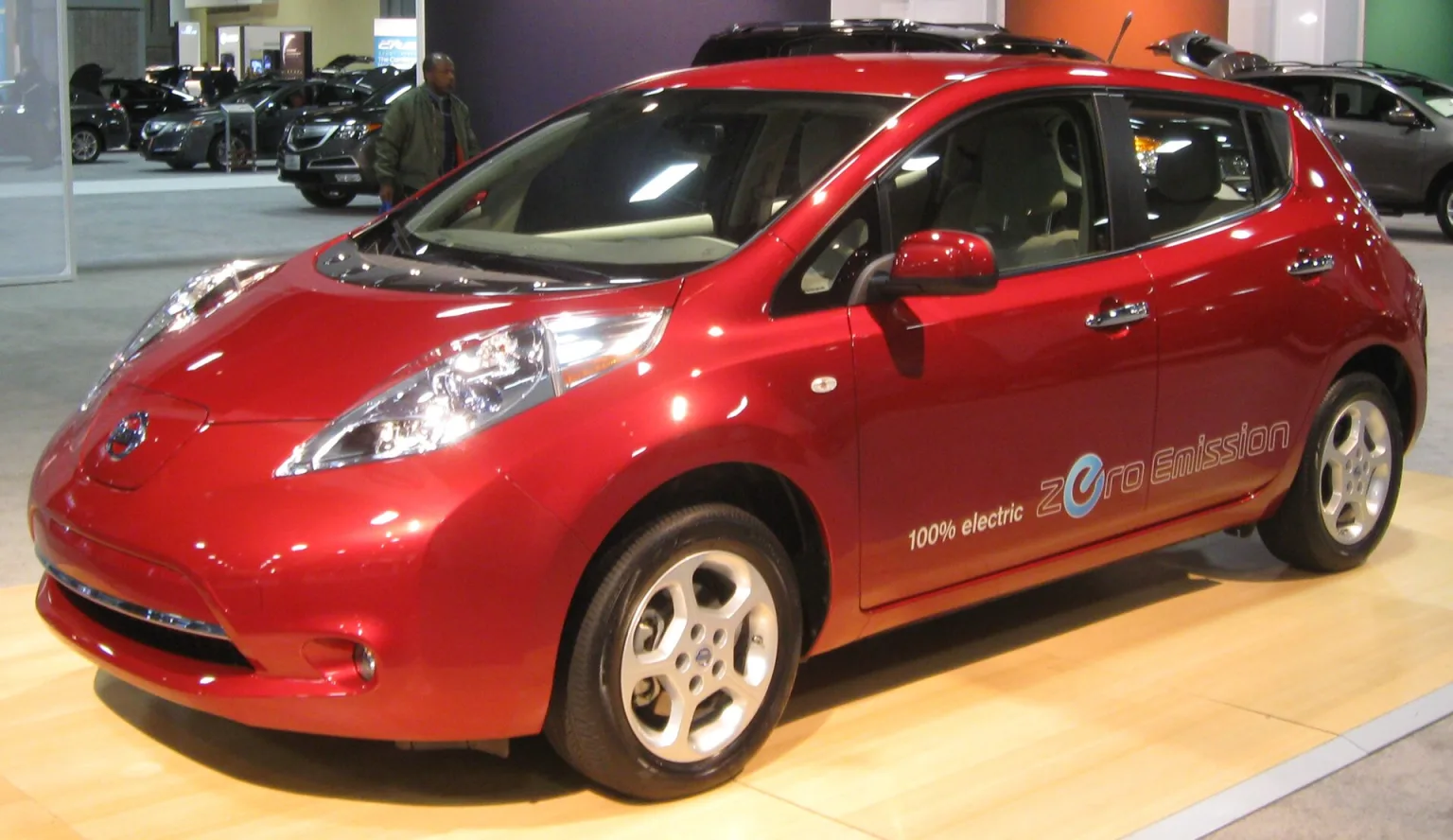
Nissan sold 3,875 Leaf electric cars in the United States between January and June 2011, outpacing Chevrolet’s Volt, which recorded 2,745 sales in the same period. This marked the third consecutive month that the Leaf led the Volt in monthly sales, giving Nissan a clear lead in the early contest to bring electric vehicles to American buyers.
Nissan Leaf Leads Chevrolet Volt in Early 2011 US Sales
Sales Figures and Timeline
| Model | Units Sold (Jan–Jun 2011) |
|---|---|
| Nissan Leaf | 3,875 |
| Chevrolet Volt | 2,745 |
- Leaf outsold Volt for three consecutive months by June 2011
- Leaf’s starting price around $9,000 less than Volt
- Volt production paused for plant upgrades during the sales period
Production Disruption Affects Volt Sales
The Leaf’s sales advantage came as Chevrolet’s Volt production faced disruption. According to Chevrolet, the Detroit-Hamtramck plant that builds the Volt was offline for five weeks in the first half of 2011 to prepare for increased capacity. Chevrolet said this affected the number of Volts reaching dealers, suggesting the gap could narrow once production resumed.
Comparing Leaf and Volt: Price and Technology
The Nissan Leaf and Chevrolet Volt take different approaches to electric driving. The Leaf is a pure battery-electric vehicle, offering an EPA-rated range of about 75 miles per charge. The Volt is a plug-in hybrid: it can run for 25 to 50 miles on battery alone, after which a petrol engine acts as a generator, extending the range until refuelling.
This gives the Volt greater flexibility for longer trips, but at a cost. The Volt’s US starting price was around $41,000, about $9,000 higher than the Leaf’s base price. For buyers, the price difference and the vehicles’ different approaches to range and refuelling shaped early demand.
Nissan’s Ambitions and Future Projections
Nissan said it expected to sell up to 12,000 Leafs in the US for 2011. The company has also stated ambitions to reach annual US sales of 200,000 Leafs, though it has not specified a timeline for that target. Chevrolet did not release comparable long-term forecasts for the Volt at that stage.
Market Impact and Consumer Choices
Both vehicles marked key steps for their manufacturers in the emerging electric vehicle segment. Early sales volumes were modest compared to mainstream models, but the Leaf’s lower price and pure-electric status appeared to resonate with buyers seeking an affordable EV. The Volt’s range-extending engine offered a different proposition for drivers wary of battery range limits, but its higher price and limited availability may have dampened early uptake.
With production upgrades at Chevrolet’s plant and continued supply constraints for both models, the balance between the two could shift in the months ahead. For now, Nissan’s Leaf held the upper hand in the first half of 2011 US electric vehicle sales.
Looking Ahead: The Evolving Electric Vehicle Market
The initial competition between Nissan and Chevrolet in the electric vehicle market signalled growing consumer interest in alternative powertrains. While both the Leaf and Volt were early entrants, their contrasting designs highlighted the choices facing buyers: pure electric simplicity and lower cost versus hybrid flexibility at a premium. As infrastructure for electric vehicles developed and production constraints eased, both manufacturers aimed to expand their reach. Nissan’s stated goal of eventually selling 200,000 Leafs annually in the US reflected confidence in growing demand, though the timeline for achieving such figures remained unspecified.
For Chevrolet, the focus on increasing Volt production capacity suggested a commitment to competing more strongly in the segment. The coming months and years would determine whether early sales trends persisted or shifted as supply, pricing, and consumer preferences evolved.