Volvo Ghent Plant Reaches 5 Million Cars Built Since 1965
The Ghent factory in Belgium marked its five millionth car at the end of 2012, a Volvo V40 D2, capping nearly five decades of production.
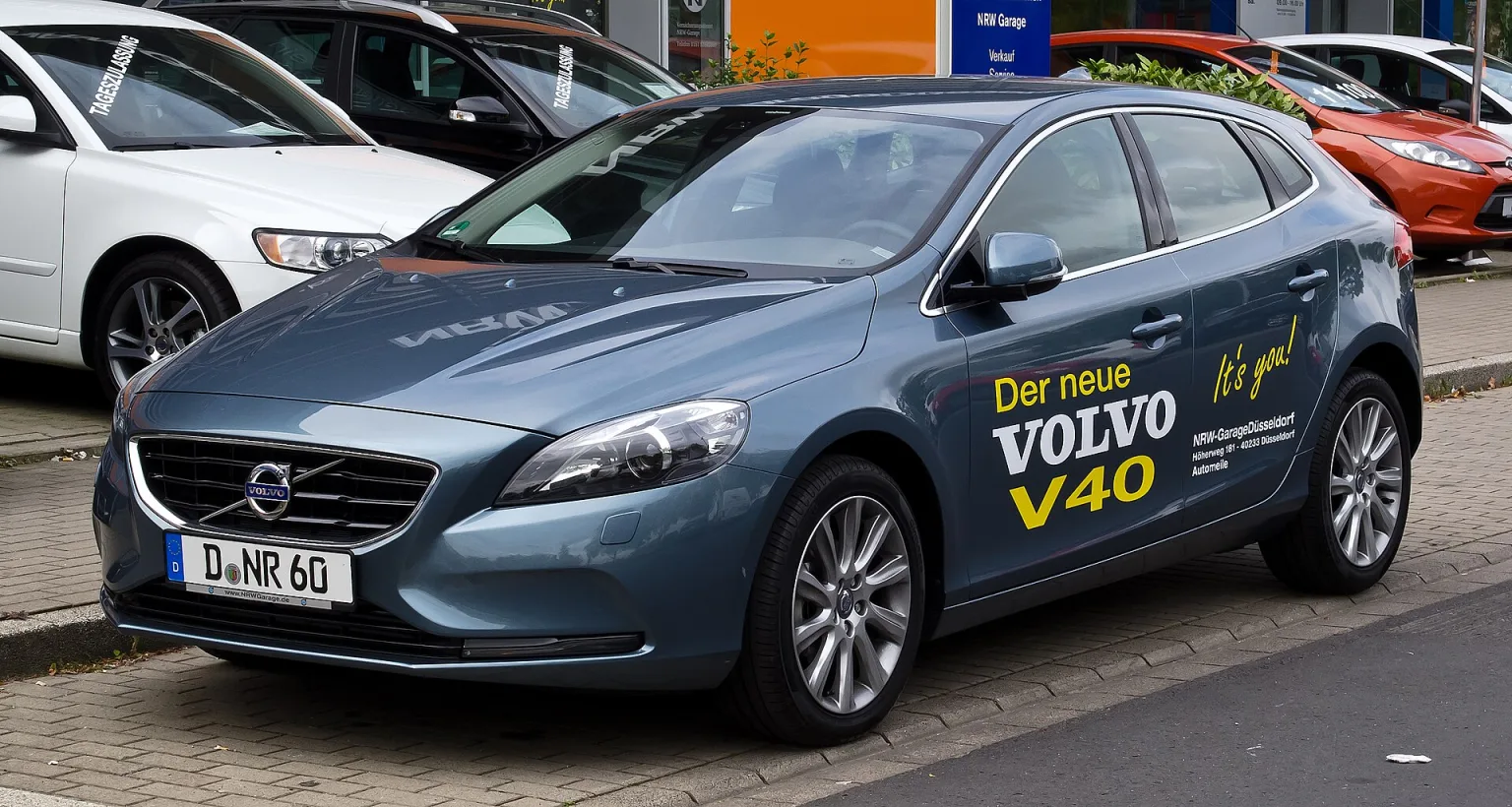
Volvo Car Group’s Ghent plant in Belgium produced its five millionth vehicle at the end of 2012, a milestone that highlights the site’s central role in the company’s European manufacturing network. The landmark car, a Volvo V40 D2, rolled off the assembly line in December and was later displayed at the Brussels Motor Show.
Opened in 1965, the Ghent facility has grown into Volvo’s largest plant by output. In recent years, the factory has set production records, building 265,000 vehicles in 2011 and 258,000 in 2012, according to Volvo. The workforce, numbering around 5,000 at the time, was given the opportunity to sign the five millionth car before it went on public display.
Focus on Smaller Models Drives Growth
Volvo’s decision in 2004 to concentrate production of its smaller models at Ghent led to a sustained increase in output. By the end of 2012, the plant was assembling three main models: the Volvo V40 and its V40 Cross Country variant, the S60 saloon, and the XC60 SUV. The XC60, introduced in 2008, became Volvo’s global best-seller, further boosting the plant’s volume.
- Volvo V40 (including V40 Cross Country)
- Volvo S60
- Volvo XC60
Role in Volvo’s European Production
Ghent’s output made it a cornerstone of Volvo’s industrial structure. The plant’s flexibility allowed it to adapt to changing demand for different models, and it played a central part in the company’s European supply chain. The milestone came as Volvo’s global sales were climbing, including a 20% increase in 2011 as reported at the time (see Volvo global sales rise 20% in 2011 as China and US drive growth
The Ghent plant’s achievement also reflected a broader trend of European manufacturers investing in established sites to support new model launches. Its continued high output contrasted with some other European plants facing reduced demand and production cuts (see Volvo to Slow Production at Ghent Plant as Demand Falls).
What the Milestone Means for Workers and Volvo
For the Ghent workforce, reaching five million cars was a point of pride and a sign of job security at a time when several European car factories were under pressure. For Volvo, it underlined the importance of the Belgian site as a production hub for its compact and mid-size models, supporting both European and global markets.
With the plant’s production mix focused on high-volume models, Ghent remained a vital part of Volvo’s manufacturing strategy heading into 2013. The milestone car, signed by employees, symbolised both the site’s history and its ongoing contribution to Volvo’s future.