Michelin Develops Advanced Lunar Wheels for NASA Moon Rover
Michelin has engineered a new lightweight composite wheel for NASA's next-generation moon rover, offering improved load capacity and traction for future lunar missions.
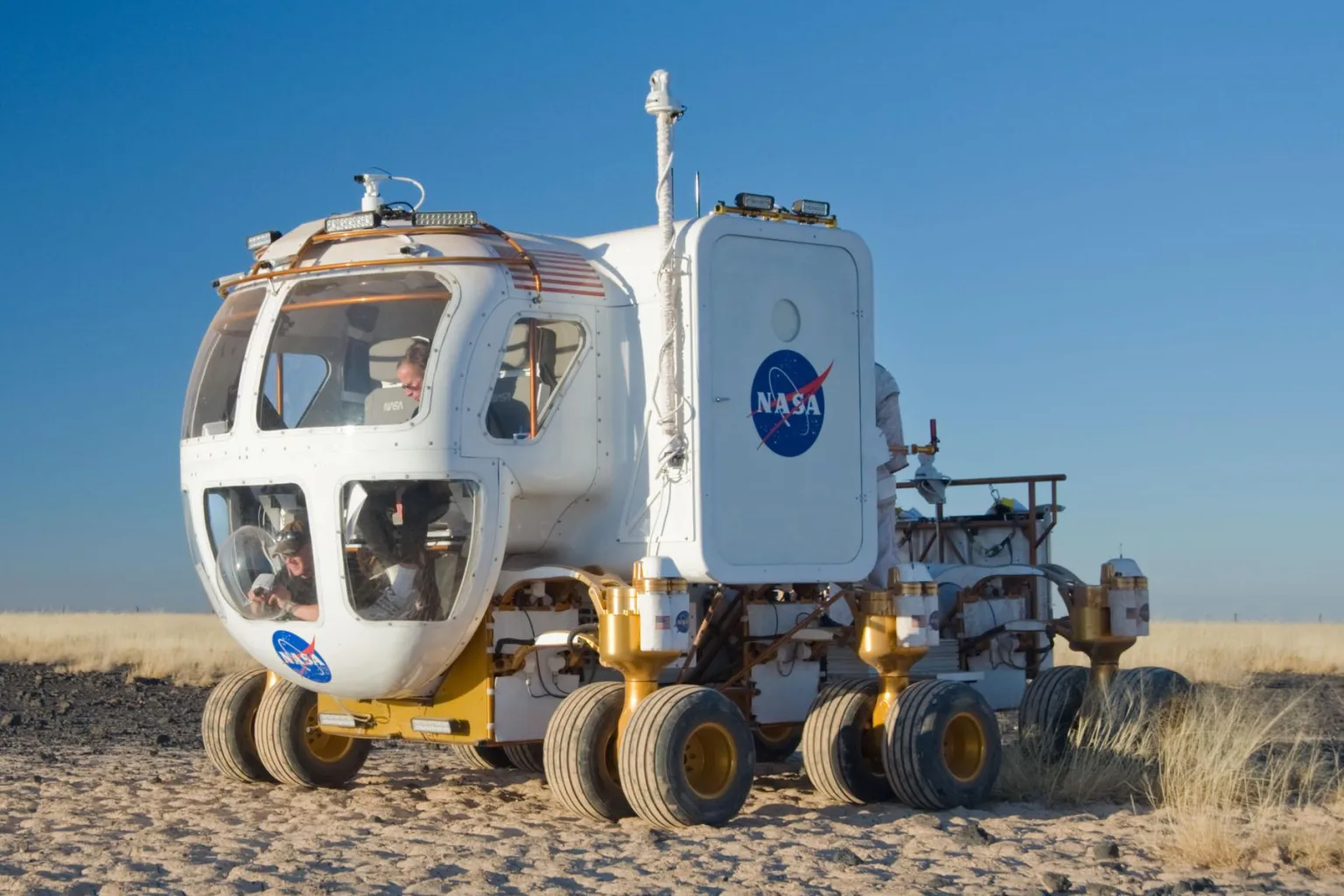
Michelin has designed a new lunar wheel for NASA's upcoming moon rover vehicles, using advanced composite materials developed in its European and North American research centres. This innovation is intended for both manned and unmanned missions planned for the next decade, addressing NASA's requirements for mobility in the harsh lunar environment. The MICHELIN Lunar Wheel is a structurally supported assembly that combines low mass with a high load capacity, aiming to help NASA's rovers operate reliably on challenging terrain.
Michelin's Role in Lunar Mobility
Technical Innovations: Composite Materials and Textile Tread
The new lunar wheel uses Michelin-patented composite materials for its main structure. This results in a wheel that is 3.3 times more efficient in load capacity than the wheels used on the Apollo Lunar Rovers. The choice of materials is crucial, as the lunar surface presents unique challenges such as extreme temperatures, abrasive regolith, and the absence of atmosphere. The composite structure gives the wheel both strength and flexibility, ensuring it can withstand the stresses of lunar exploration while remaining lightweight.
A distinctive feature of the MICHELIN Lunar Wheel is its textile tread, developed in collaboration with Clemson University and Milliken & Company. The tread is engineered to maintain grip and traction even at the extremely low temperatures found on the lunar surface. This is particularly important, as lunar nights can reach temperatures below -150°C, and traditional rubber compounds would become brittle and ineffective. The textile tread is designed to resist these conditions and provide reliable performance over rough, rocky, and dusty terrain.
| Feature | Apollo Lunar Wheel | MICHELIN Lunar Wheel |
|---|---|---|
| Material | Metal mesh with titanium chevrons | Patented composite materials with textile tread |
| Load Capacity Efficiency | 1x (baseline) | 3.3x Apollo wheel |
| Traction at Low Temperatures | Limited | Maintained via textile tread |
| Development Partners | NASA | Michelin, Clemson University, Milliken & Company |
| Field Testing | Lunar surface (Apollo missions) | Hawaii (Scarab Rover, 2008) |
Field Testing in Hawaii: Simulating Lunar Conditions
To validate the new design, Michelin's lunar wheel underwent field-testing on NASA's Scarab Rover in Hawaii from 31 October to 13 November 2008. The Big Island's volcanic landscape provides a close analogue to the lunar polar regions, allowing engineers to assess the wheel's performance in conditions similar to those expected on the moon. These tests focused on durability, traction, and the ability to carry heavy loads over uneven ground. The Scarab Rover was used to simulate the movement and operational demands that a lunar rover would face, helping to identify any potential issues before deployment in space missions.
- The terrain, rock distribution, and soil of Hawaii's Big Island closely mimic those of the lunar surface.
- Testing included evaluating the wheel's ability to maintain traction and resist wear in abrasive conditions.
- Engineers gathered data to inform further refinements to the wheel design for future lunar missions.
Michelin's Longstanding Partnership with NASA
Michelin's involvement with NASA extends over two decades, including supplying tyres for the Space Shuttle. However, the conditions on the moon require a completely different approach compared to those on Earth or even in low-Earth orbit. Pneumatic tyres are not suitable for lunar missions due to the vacuum and extreme temperature fluctuations. This has led Michelin to develop a non-pneumatic, composite-based solution designed specifically for the lunar environment. The expertise gained from previous collaborations with NASA has informed the development of the MICHELIN Lunar Wheel, helping to ensure that it meets the stringent demands of space exploration.
Potential Applications Beyond the Moon
Michelin believes that the technology developed for the lunar wheel could have implications for mobility solutions on Earth. The focus on low weight and reduced rolling resistance is relevant to industries where efficiency and durability are critical. While Michelin has not announced specific terrestrial projects based on this technology, the materials and design principles could influence future developments in automotive, industrial, or off-road applications. Innovations driven by space exploration often find their way into everyday products, and the MICHELIN Lunar Wheel may be no exception.
Advancing Mobility for Future Missions
The MICHELIN Lunar Wheel represents a significant step forward in the development of mobility solutions for space exploration. By leveraging advanced composite materials and innovative tread design, Michelin has created a wheel that addresses the unique challenges of lunar travel. The ongoing partnership between Michelin and NASA highlights the importance of collaboration between industry and space agencies in pushing the boundaries of technology. As NASA prepares for new lunar missions, the advancements made in wheel technology will play a role in the success and safety of future rover operations.