Electric Turbos Move Closer to Mainstream as Automakers and Suppliers Commit
Audi and Valeo are pushing electric turbocharger technology towards production, with the first mainstream applications confirmed for 2016 models.
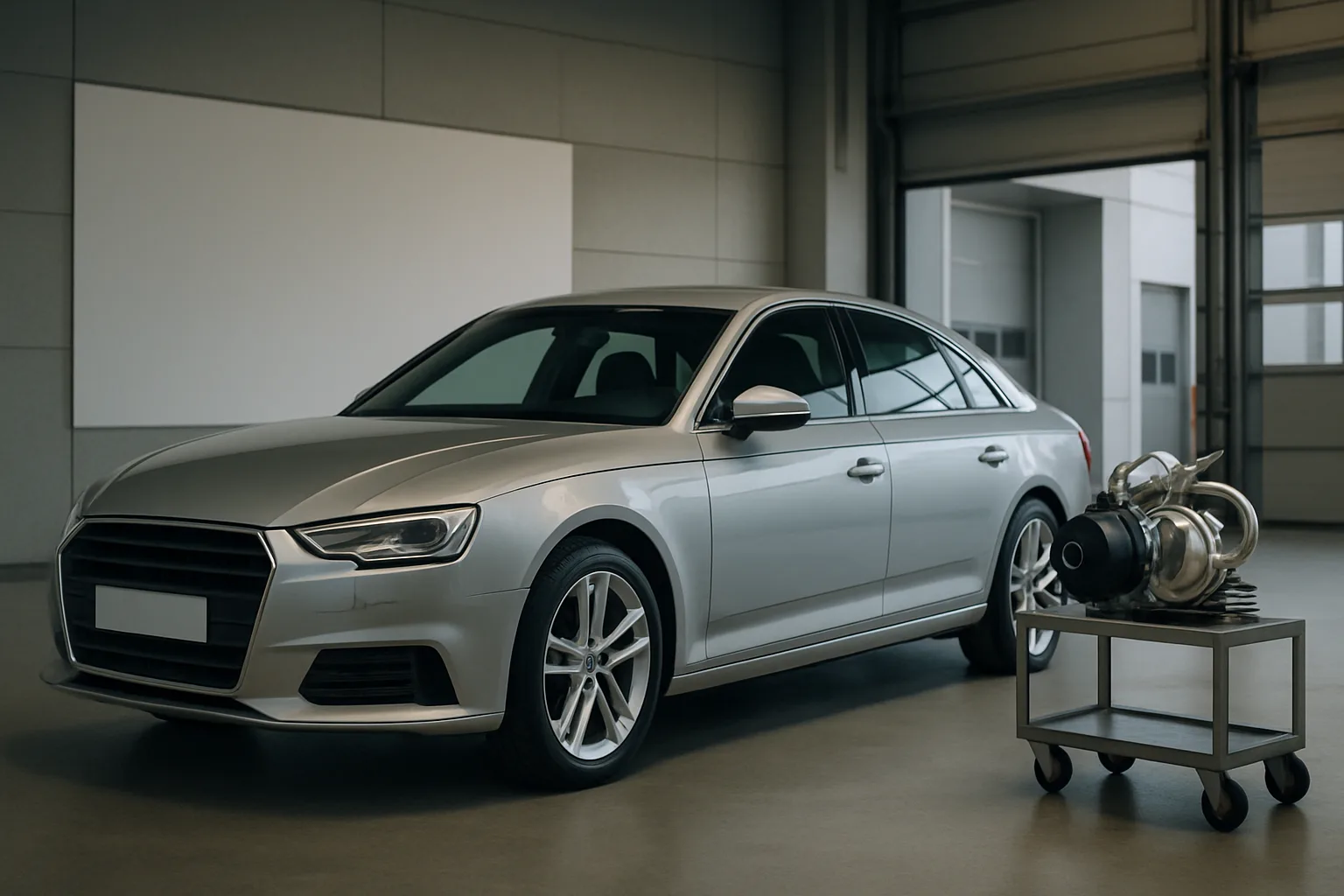
Audi and French supplier Valeo are preparing to bring electric turbochargers to mainstream production, with the first models using the technology due on the market in 2016. Both companies have confirmed development programmes targeting improved engine response and reduced emissions, as pressure grows to deliver more efficient combustion engines without sacrificing performance.
Why electric turbos appeal to automakers
Conventional turbochargers use exhaust gases to spin a turbine, increasing engine power but often introducing lag at low revs. Superchargers, while more responsive, draw power directly from the engine. Electric turbos use a compact electric motor to spool up the compressor instantly, delivering boost from zero rpm and switching off when not needed. This addresses both lag and parasitic losses, making the technology attractive for downsized petrol and diesel engines trying to meet tightening emissions rules.
Audi has already demonstrated the principle in its R18 e-tron quattro endurance racer, which used an electrically driven compressor to improve throttle response and low-end torque. The company has confirmed ongoing development of production-ready systems for road cars, with Ulrich Weiss, Audi’s diesel engine chief, stating that the brand is committed to bringing e-boost technology to market.
Valeo’s contract and industry momentum
Valeo, a major supplier of powertrain technology, has announced a contract to supply electric turbos to a European automaker, with the first model set for launch in 2016. The supplier claims its system can deliver full boost in less than a second, offering immediate torque and improved drivability. While Valeo has not named the customer, the contract signals that electric turbocharging is moving beyond prototypes and niche applications.
The push for electric turbos is part of a broader trend towards electrification and advanced forced induction, as automakers seek to combine efficiency gains with strong performance. Downsized engines rely on turbocharging to maintain output, but traditional systems have struggled to deliver instant response. Electric assistance could allow smaller engines to feel more flexible in everyday driving, while also reducing fuel consumption and CO2 emissions.
What it means for buyers and the industry
For buyers, electric turbochargers promise better throttle response and improved fuel economy in future combustion-engine models. The technology could become commonplace as manufacturers adopt it to meet emissions targets without resorting to larger engines. For suppliers like Valeo, winning contracts for electric turbo systems opens new business as the industry shifts towards electrified components.