Automakers Scramble for Nylon-12 Alternatives After German Plant Explosion
A key resin shortage triggered by a German plant explosion forces carmakers and suppliers to seek urgent substitutes for nylon-12, threatening production lines worldwide.
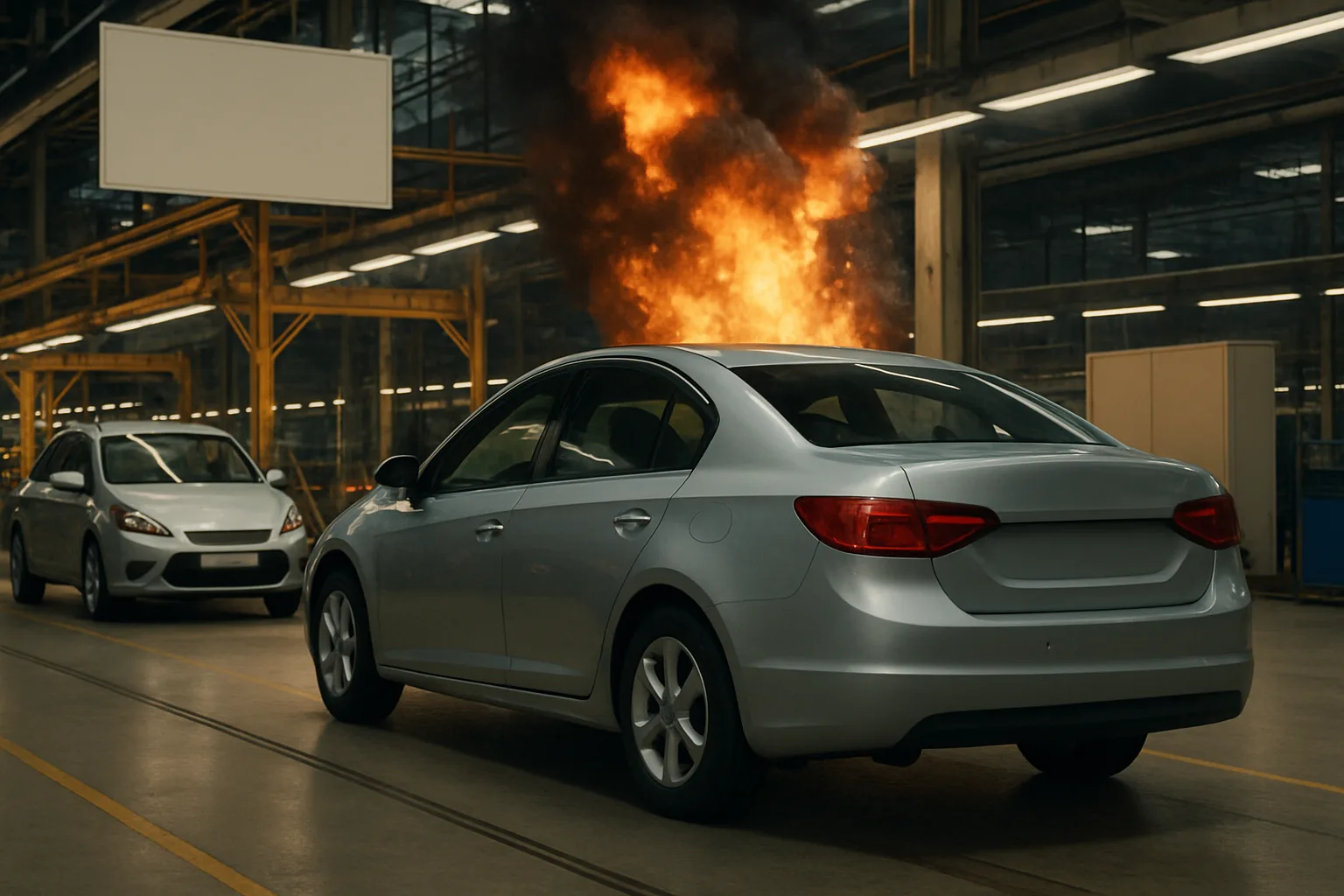
Automakers and suppliers are rushing to secure alternatives to nylon-12 after a chemical plant explosion in Germany disrupted production of the resin, threatening to halt vehicle assembly lines within weeks.
The blast on 31 March 2012 at a German facility producing cyclododecatriene (CDT)—a key ingredient in nylon-12, has sharply reduced global supply. Nylon-12 is critical for manufacturing plastic fuel and brake lines, which are used throughout the automotive sector due to their chemical resistance and flexibility. The disruption has exposed how dependent the industry is on a small number of suppliers for specialised resins.
TI Automotive, a major supplier of fuel and brake lines, warned customers that the shortage is both real and immediate. In a memo, the company said production interruptions at vehicle plants could begin within weeks if alternative materials or sources are not secured. The urgency has prompted automakers and parts suppliers to work together in search of technical solutions that can be implemented quickly.
Why nylon-12 matters for automakers
Nylon-12’s unique properties make it difficult to replace. It resists fuel permeation and withstands the stresses found in under-bonnet environments. Automotive fuel and brake systems rely on the material for both safety and compliance with emissions standards. The resin is also used in solar panels, pipelines and consumer goods, but the immediate threat is to car production, especially in North America and Europe, where the supply chain is tightly integrated.
- Fuel lines in most modern vehicles use nylon-12 for its chemical resistance.
- Brake lines require nylon-12 to maintain flexibility and durability under pressure.
- Alternative plastics may require revalidation and regulatory approval, delaying implementation.
Industry response and collaboration
Automakers and suppliers are now evaluating substitute resins, such as other types of nylon or fluoropolymers, but switching materials is not straightforward. Any alternative must meet stringent safety, durability and regulatory standards. In some cases, entire fuel or brake line assemblies may need redesigning and retesting, which could take months. The shortage has forced manufacturers to prioritise available nylon-12 for high-volume and high-margin models while seeking longer-term solutions.
The situation highlights the vulnerability of automotive supply chains to single-source materials. While the industry has weathered shortages of semiconductors and other components, the nylon-12 crisis is a reminder that even relatively obscure chemicals can bring assembly lines to a standstill. Carmakers and suppliers are expected to push for greater diversification of resin supply and increased investment in alternative materials once the immediate crisis passes.