BMW and PSA agree to develop hybrid systems for front-drive cars
BMW and PSA Peugeot Citroën have signed a memorandum of understanding to jointly develop hybrid components for future front-wheel-drive vehicles, aiming to cut costs and accelerate electrification.
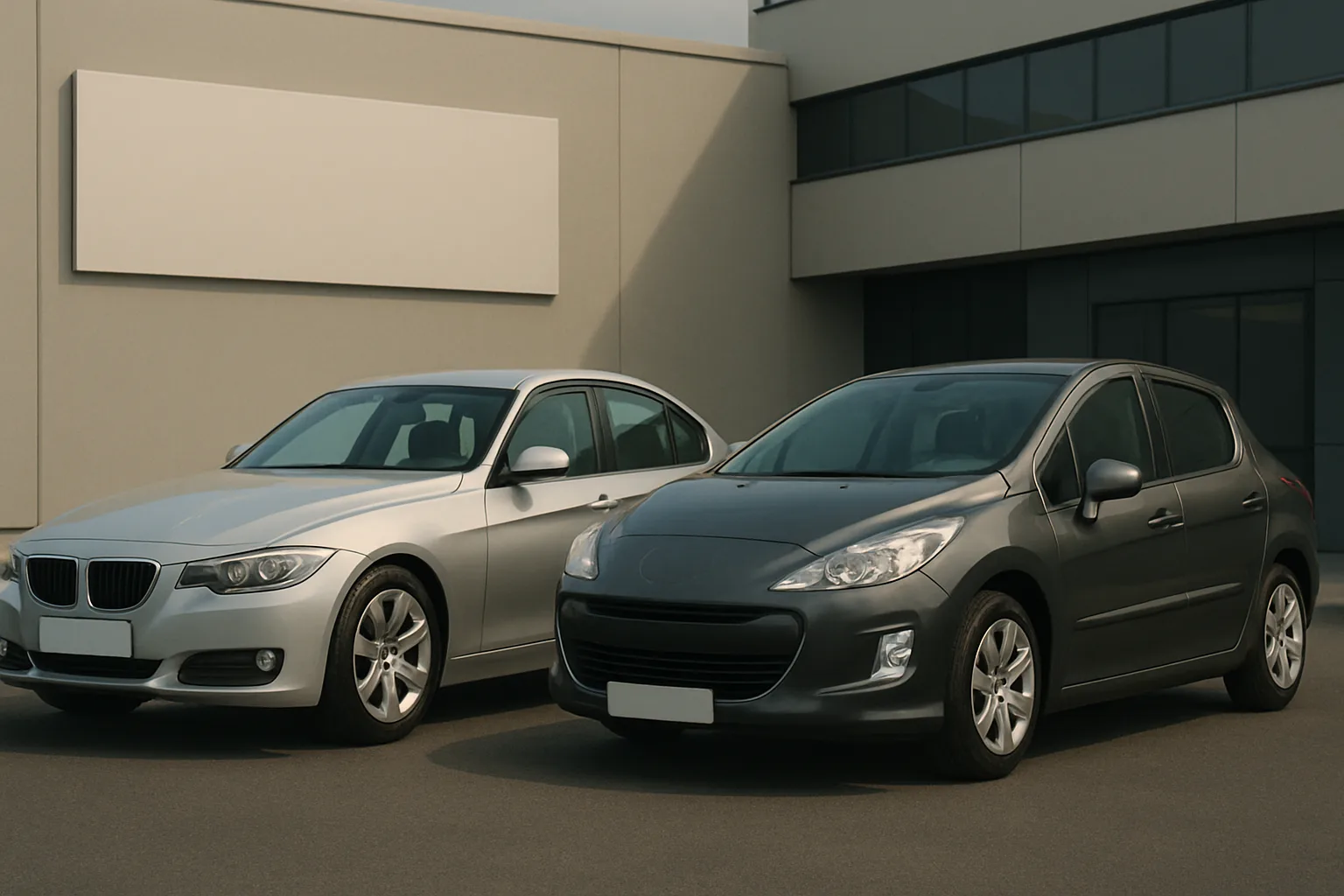
BMW and PSA Peugeot Citroën have a history of working together on engine development. Their collaboration began several years ago, with a focus on creating efficient four-cylinder petrol engines. In February 2010, they agreed to develop the next generation of these engines to meet the EU 6 emissions standard. These engines are currently found in various MINI, Peugeot and Citroën models, demonstrating the success of their technical partnership.
Background to the BMW and PSA Partnership
Scope of the New Hybrid Agreement
The latest agreement represents a significant expansion of the BMW and PSA partnership. The memorandum of understanding, signed by Norbert Reithofer of BMW AG and Philippe Varin of PSA Peugeot Citroën, outlines a plan to jointly develop and produce hybrid components for front-wheel-drive vehicles. This cooperation will include hybrid modules, batteries and other electrification technologies. The goal is to standardise key elements for hybrid systems, allowing both companies to benefit from economies of scale and lower development and procurement costs.
- Joint development of hybrid modules and related technologies for front-wheel-drive vehicles
- Standardisation of hybrid system components to reduce costs
- Joint purchasing to streamline supply chains
- Integration of hybrid technology into future BMW, MINI, Peugeot and Citroën models
Focus on Front-Wheel-Drive Hybrid Technology
The cooperation will focus on hybrid solutions for front-wheel-drive architectures, which form the basis for many mainstream models in both companies' line-ups. This approach is particularly relevant as emission regulations become stricter in Europe and other regions. By standardising hybrid components, BMW and PSA aim to more efficiently meet these regulations and respond to the growing demand for electrified vehicles.
| Area | Details |
|---|---|
| Component Focus | Hybrid modules, batteries, electrification technologies |
| Target Vehicles | Front-wheel-drive models |
| Brands Involved | BMW, MINI, Peugeot, Citroën |
| Expected Benefits | Reduced costs, faster electrification, broader hybrid offerings |
| Previous Collaboration | Four-cylinder petrol engines |
| Financial Details | Not disclosed |
Strategic Benefits and Market Impact
By pooling their expertise and resources, BMW and PSA expect to achieve significant cost savings and enhance their competitiveness in the hybrid vehicle market. The partnership is designed to accelerate the introduction of new hybrid models and make advanced electrification technologies more accessible to consumers. For both manufacturers, this joint approach helps manage the high costs and complexity associated with developing hybrid systems independently.
Next Steps and Future Outlook
At this stage, BMW and PSA have not announced a timeline for the release of the first jointly developed hybrid components. Details such as the specific models to receive the new technology and the locations for production will be shared as the project advances. The agreement signals a strategic commitment to electrified mobility and may pave the way for further collaborations between the two manufacturers as the automotive industry continues to evolve.
As the demand for low-emission vehicles grows and regulations become more stringent, partnerships like this are likely to become more common. The BMW and PSA cooperation demonstrates how carmakers can work together to address industry challenges, reduce costs, and bring innovative technologies to a wider audience.