Exxon Mobil forecasts half of all cars will be hybrid by 2040
Oil giant’s latest energy outlook predicts a dramatic shift towards hybrid vehicles, but expects oil-based fuels to dominate global transport for decades to come.
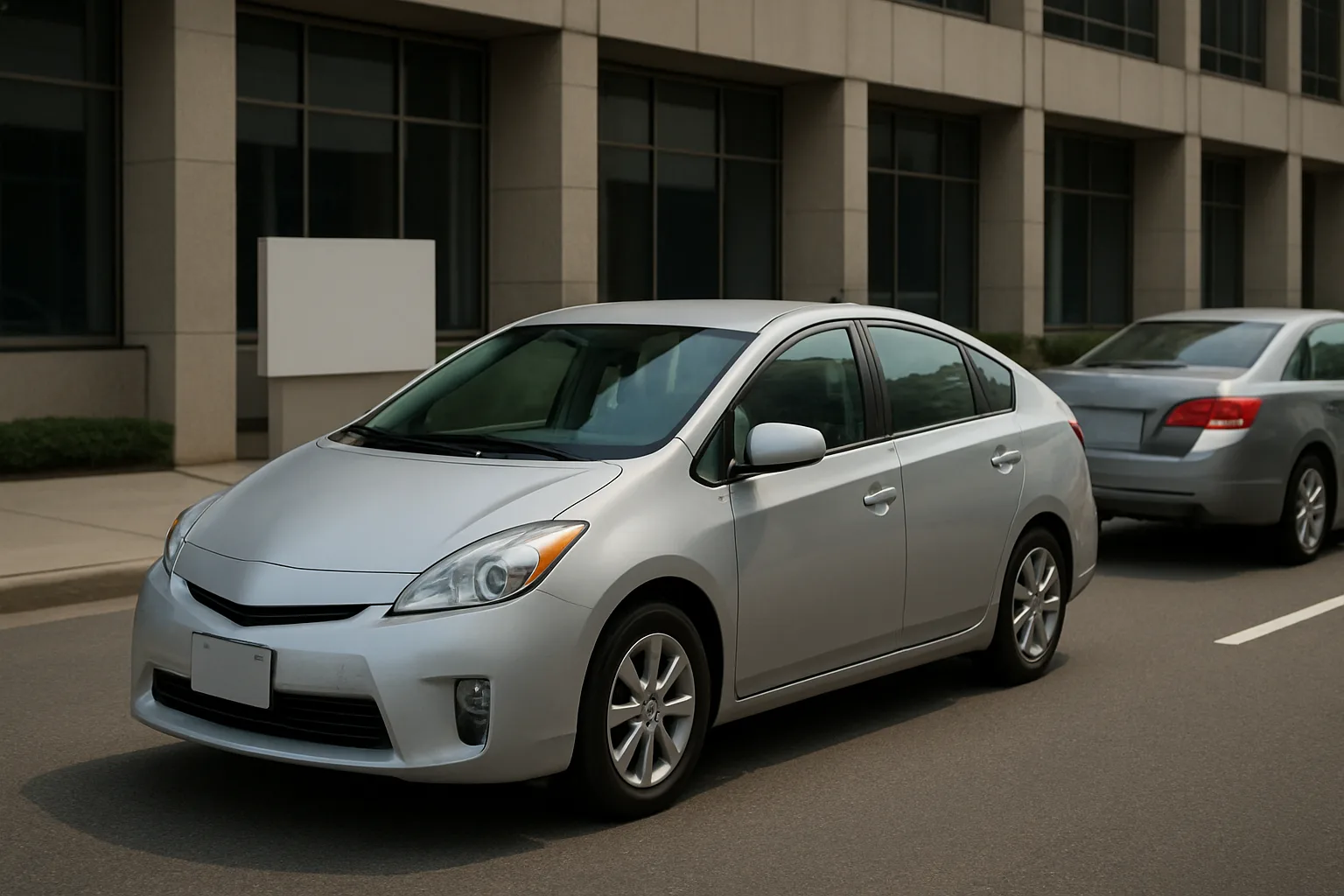
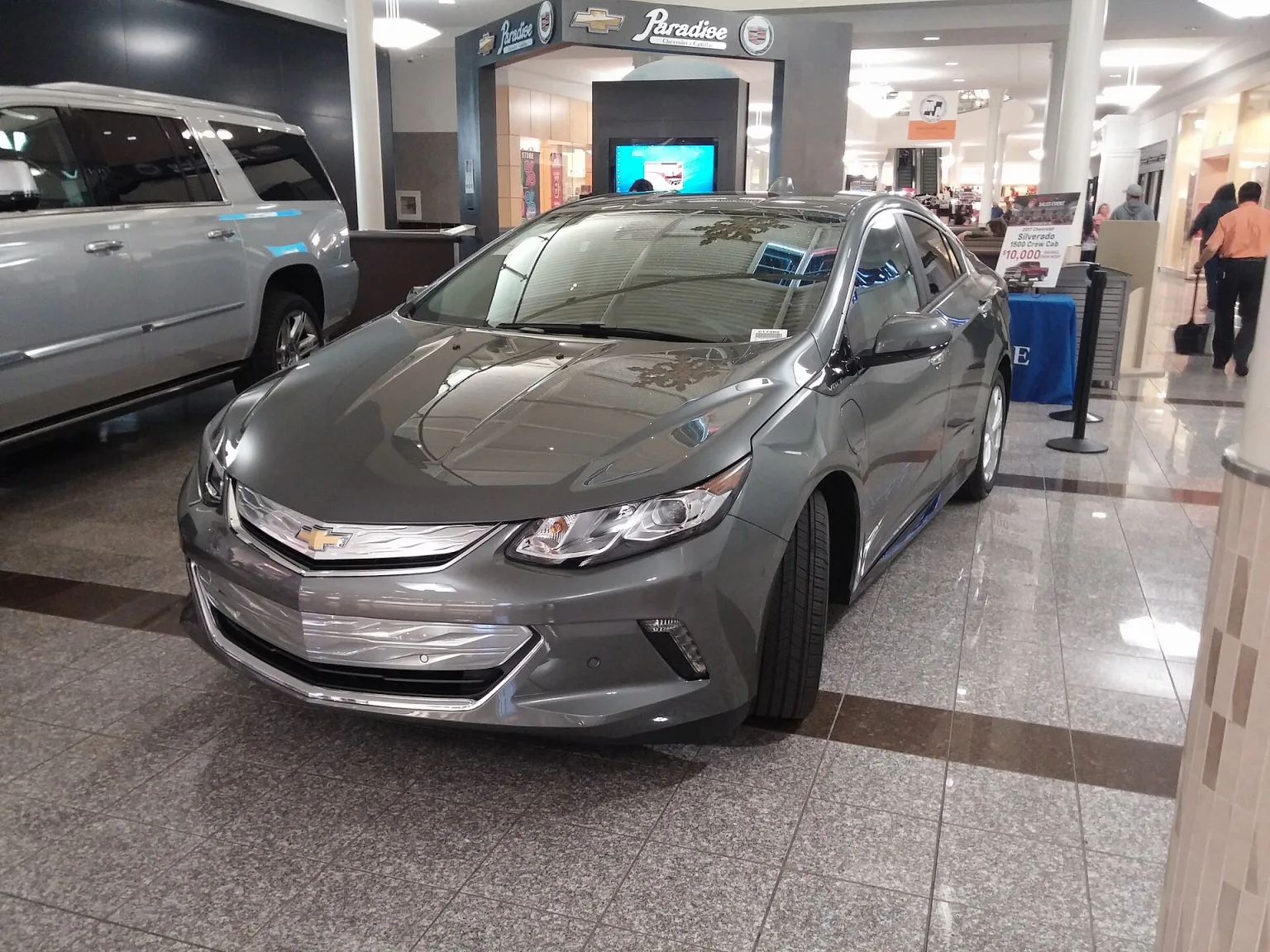
Exxon Mobil expects hybrid and alternative-fuel vehicles to account for 50 percent of all cars on the road by 2040, according to its latest annual energy outlook. The oil major’s projection marks a significant increase from the current situation, where hybrids make up less than one percent of the global vehicle fleet.
The company’s outlook attributes the anticipated rise in hybrids to tightening fuel-efficiency standards and government regulation. As countries push for lower emissions and reduced oil dependency, carmakers are expected to accelerate the rollout of vehicles using both petrol and electricity. Exxon Mobil’s scenario includes not only conventional hybrids but also plug-in variants and other alternative-fuel vehicles, with energy sources ranging from natural gas and nuclear to renewables such as wind.
Oil’s continuing role in transport
Despite the predicted surge in hybrid adoption, Exxon Mobil maintains that oil will remain the backbone of global transport. The company forecasts that by 2040, 90 percent of all transport will still rely on oil-based fuels, even as hybrids become more common. This reflects the continued dominance of internal combustion engines, particularly in sectors such as freight and aviation, where alternatives remain limited.
Exxon Mobil also expects global fuel consumption to climb by 25 percent over the next three decades, driven by economic growth and rising vehicle ownership in developing markets. The company estimates that existing oil reserves are sufficient to meet demand for a century at current consumption rates.
Hybrid market share projections vary
Exxon Mobil’s projection is notably more optimistic than some independent forecasts. J.D. Power and Associates, for example, expects hybrids to reach only a 3 percent market share within the next decade. The difference highlights the uncertainty over the pace of consumer adoption and the impact of government incentives, battery costs and infrastructure development.
Exxon Mobil’s outlook also suggests that petrol-electric hybrids will remain more affordable than full battery-electric vehicles for the foreseeable future. The company points to the high energy density of petrol and the existing refuelling infrastructure as factors favouring hybrids over pure electric cars.
Implications for automakers and suppliers
If Exxon Mobil’s forecast holds, manufacturers will face sustained demand for hybrid drivetrains and supporting technologies over the next three decades. Suppliers specialising in batteries, electric motors and power electronics are likely to see increased business as hybrids move into the mainstream. However, with oil still expected to dominate, the internal combustion engine remains central to most carmakers’ future product planning.
For further context on hybrid adoption in motorsport, see Audi R18 E-Tron Quattro Claims First Hybrid Win at Le Mans.