Ford Says US EPA May Revise Hybrid Fuel Economy Testing
Ford signals that the US Environmental Protection Agency could alter its hybrid fuel economy testing, following real-world shortfalls highlighted by Consumer Reports.
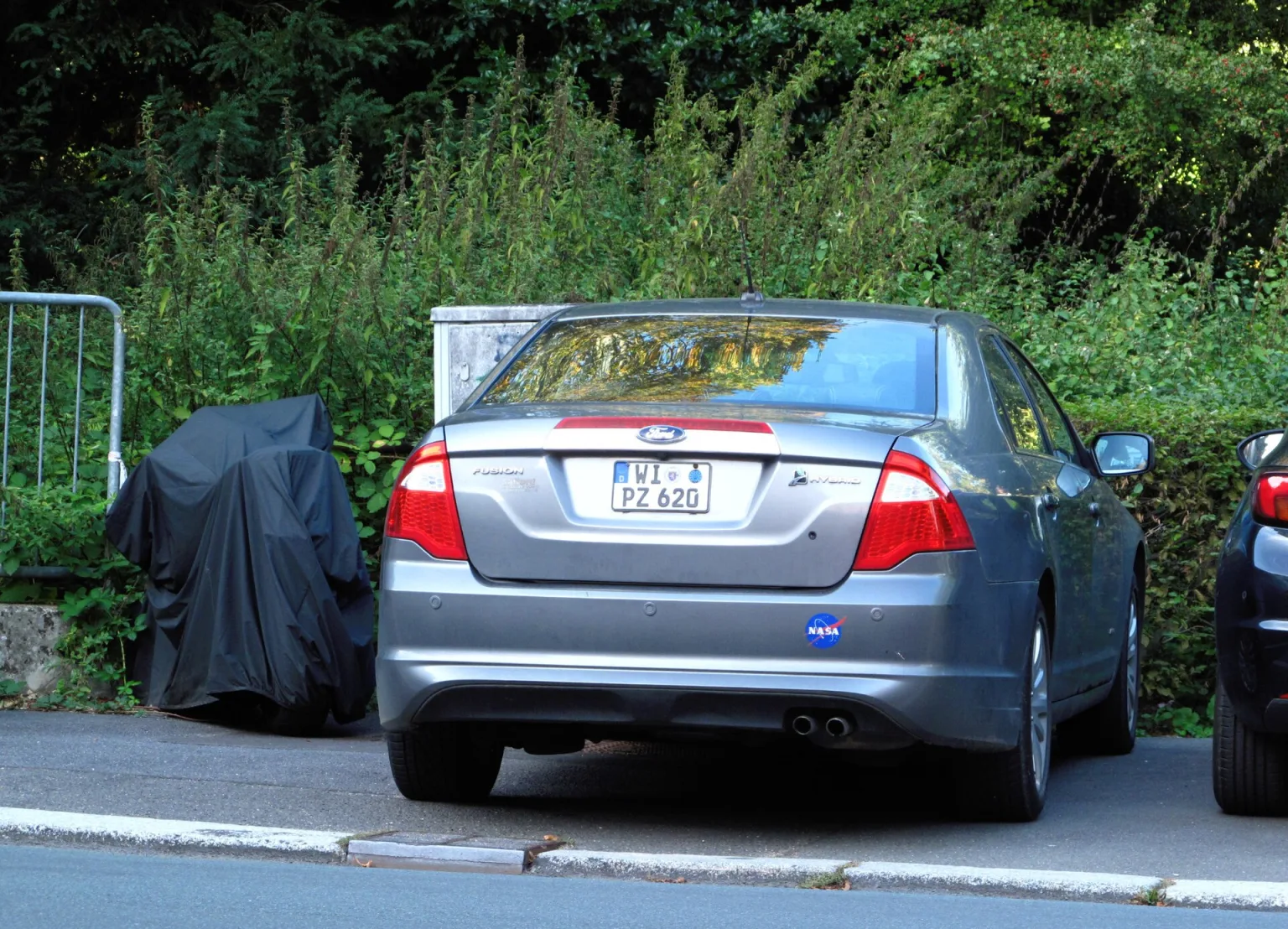
Ford has indicated that the US Environmental Protection Agency (EPA) is considering changes to its fuel economy testing procedures for hybrid vehicles, after several models showed substantial differences between official ratings and real-world performance.
Raj Nair, Ford’s product development chief at the time, said the company was working closely with the EPA to review how hybrid fuel economy is measured. The move follows tests by Consumer Reports in which Ford’s C-Max Hybrid and Fusion Hybrid delivered 17% to 21% lower fuel economy than the 47mpg (US) figure on their EPA labels. The magazine recorded 39mpg for the Fusion Hybrid and 37mpg for the C-Max Hybrid in a mix of city and highway driving, well below the official numbers.
Why the EPA is reviewing hybrid testing
The gap between EPA label figures and real-world hybrid performance is not unique to Ford. Nair pointed out that some Toyota Prius models, widely regarded for their efficiency, also showed larger shortfalls in Consumer Reports’ testing. According to Ford, variations in driving speed, ambient temperature, and accumulated mileage can all influence hybrid fuel economy. For instance, driving at 75mph instead of 65mph can reduce mpg by up to seven, and a 30-degree temperature swing can cost another five mpg. Vehicles with over 6,000 miles may also see a five mpg drop.
The EPA’s current protocol for hybrids allows for some differences between laboratory test cycles and real-world conditions, but the recent discrepancies have raised questions about whether those procedures reflect typical driving. Ford’s statement suggests the agency is now considering whether to adjust its methodology to better capture the performance of hybrids in everyday use.
What it means for car buyers and manufacturers
If the EPA does revise its testing procedures, hybrid buyers could see lower official mpg figures on new models, making it easier to compare real-world fuel costs. For manufacturers, a change could require recalibrating how they engineer and market hybrids, since label figures are a key selling point. Ford’s comments also underline that the issue is industry-wide, not limited to a single brand or model.
Next steps for EPA and industry
Ford has said it will continue to work with the EPA as the agency reviews hybrid testing. No timeline has been given for any decision. For now, buyers are advised to treat official mpg figures as a guide rather than a guarantee, especially for hybrid models where driving style and conditions can have an outsized effect.