Honda launches world-first rare earth recycling process
Honda has started recycling rare earth metals from used hybrid batteries, aiming to reduce reliance on new mining and secure future supply for its electric and hybrid vehicles.
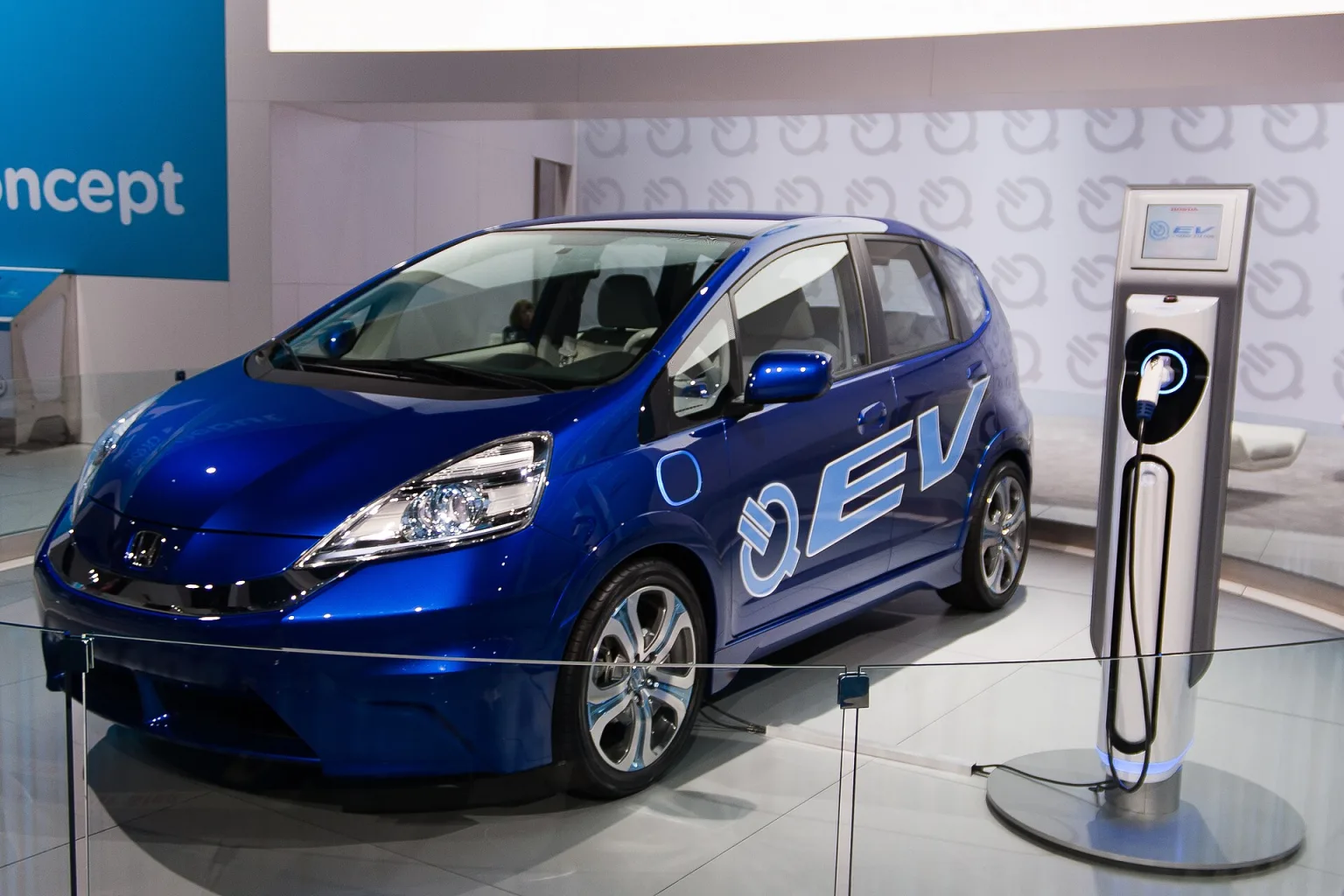
Honda has started the world’s first industrial process for recycling rare earth metals from used hybrid vehicle batteries. The company announced the initiative as part of a strategy to address both environmental concerns and supply chain risks linked to rare earths, which are essential for electric motors and other automotive components.
The recycling process extracts rare earth elements such as neodymium and dysprosium from spent nickel-metal hydride (NiMH) batteries collected from Honda’s hybrid vehicles. These metals are then refined and prepared for reuse in new automotive parts, including magnets for electric motors. This approach is intended to create a closed-loop supply chain, reducing the need for newly mined materials and limiting the environmental impact of battery disposal.
Securing supply for electrification
Rare earth metals are critical for the production of high-performance magnets used in hybrid and electric vehicle motors. Most global supply is concentrated in China, making carmakers vulnerable to price fluctuations and export restrictions. Honda’s move to recover these materials from end-of-life batteries is designed to insulate the company from such risks and ensure a stable supply as it expands its electrified vehicle line-up.
The process is being carried out in partnership with Japan Metals & Chemicals Co., which handles the extraction and refining of rare earths from collected batteries. Honda said the recovered metals will be of sufficient purity to be used in new batteries and other components, closing the material loop within its manufacturing operations.
Environmental and industry impact
Honda’s rare earth recycling scheme is part of a broader push across the industry to reduce reliance on critical raw materials and improve sustainability. By reclaiming valuable metals from used batteries, the company aims to cut waste and lower the environmental footprint of its hybrid and electric vehicles. The initiative also supports Honda’s long-term electrification strategy, which includes developing motors that use fewer or no rare earths at all. For more on Honda’s work to reduce rare earth use in EV motors, see Honda develops rare earth-free magnets for hybrid EV motors.
The initial phase focuses on batteries from Honda’s own hybrid models, but the company has indicated it may expand the programme as more vehicles reach end-of-life and battery volumes increase. No specific figures have been released on the expected annual volume of recycled rare earths, but Honda describes the process as scalable and crucial for future resource security.
What it means for buyers and the supply chain
For buyers, the scheme is unlikely to affect the price or availability of Honda’s current hybrid or electric vehicles in the short term. The main impact is on the company’s ability to manage long-term costs and supply risks as demand for electrified vehicles grows. Suppliers handling battery collection and recycling could see increased demand for their services if other manufacturers follow Honda’s lead.
Honda’s rare earth recycling project marks a technical step in securing material supply and reducing waste, but it is one part of a wider industry effort to address the challenges of electrification and resource scarcity.