Honda develops rare earth-free magnets for hybrid EV motors
Honda and Daido Steel have created a new electric motor magnet that removes heavy rare earth metals, cutting costs and easing supply risks for upcoming hybrid models.
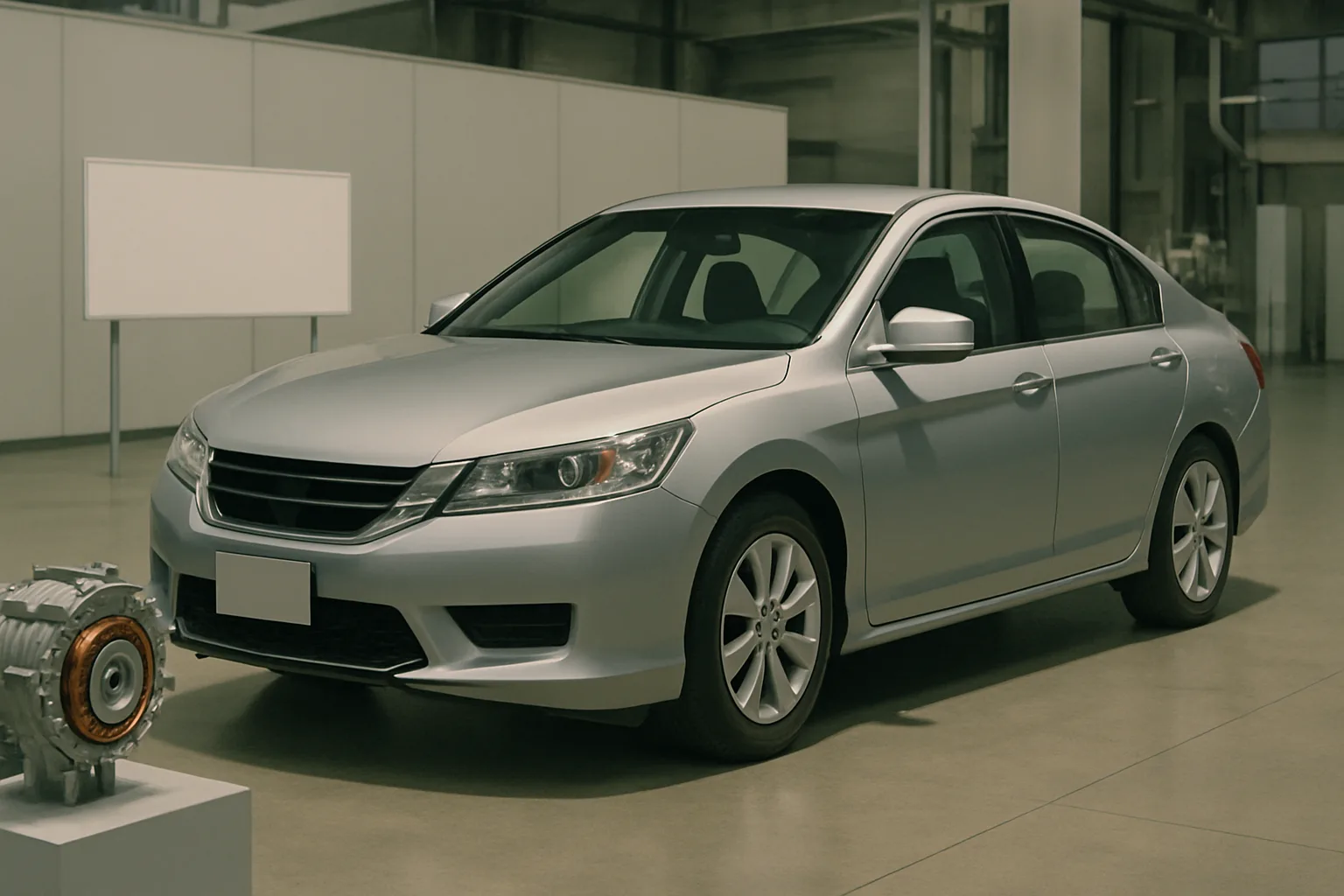
Honda has announced a new electric motor magnet for hybrid vehicles that eliminates the use of heavy rare earth metals, aiming to reduce costs and supply chain risks. The technology, developed in partnership with Japanese supplier Daido Steel, will be introduced in the next-generation Honda Freed mini MPV for the Japanese market.
Electric and hybrid motors typically rely on rare earth elements such as dysprosium and terbium to maintain heat resistance and performance. These elements are expensive and subject to supply disruptions, as global deposits are limited and unevenly distributed. By removing the need for these materials, Honda and Daido Steel hope to stabilise procurement and reduce costs for future hybrid and electric vehicles.
How the new magnet works
The new magnet is produced using a hot deformation method, which differs from the conventional sintering process. This approach allows the magnet to achieve the required heat resistance and magnetic properties without relying on heavy rare earth elements. Honda says this is the first time such a magnet has been used in a mass-produced hybrid vehicle motor.
Daido Electronics, a subsidiary of Daido Steel, will begin mass production of the new magnets at its Japanese factory. Shipments are scheduled to start in August 2016, supporting Honda’s rollout of the new Freed hybrid model later in the year.
Implications for EV and hybrid production
By bypassing heavy rare earth metals, Honda expects to avoid resource-related risks and diversify its supply channels. This could make hybrid and electric vehicles more affordable and less vulnerable to fluctuations in raw material prices. Honda has indicated plans to expand the use of this technology to additional models in the future.
The move comes as manufacturers across the sector seek ways to secure critical materials and lower production costs for electrified vehicles. For more on Honda’s progress in alternative powertrains, see Honda and GM's Fuel Cell Partnership Yields Smaller, Cheaper Stack.