How a West Virginia Test Exposed Volkswagen’s Emissions Cheating
A university study in the US uncovered Volkswagen’s use of defeat devices in diesel cars, triggering a global scandal and regulatory investigations.
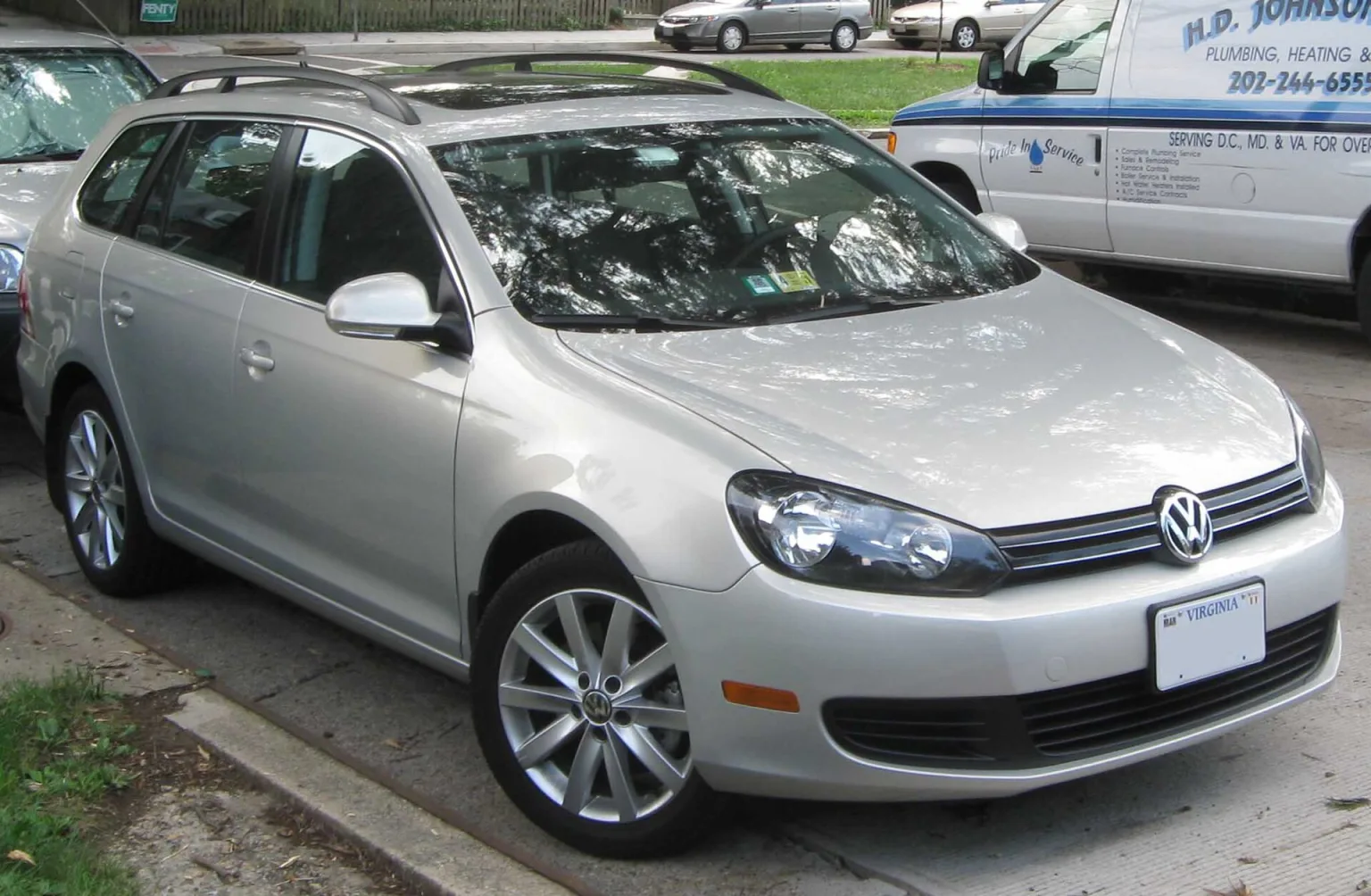
Volkswagen’s diesel emissions cheating first came to light after a university-led study in the United States found that two of the company’s cars emitted far more nitrogen oxides (NOx) on the road than during official laboratory tests. The findings, published in 2014, set off a chain of investigations that would ultimately expose the use of defeat devices in millions of Volkswagen vehicles worldwide.
The International Council on Clean Transportation (ICCT), a non-governmental organisation, initiated the process in 2013. Its goal was to assess whether diesel cars sold in the US, which were subject to stricter emissions standards than those in Europe, would outperform their European counterparts in controlling NOx emissions. The ICCT commissioned West Virginia University researchers to conduct the tests.
Three vehicles were selected: a 2012 Volkswagen Jetta, a 2013 Volkswagen Passat, and a BMW X5. The tests involved both laboratory and real-world driving conditions using portable emissions measurement systems. Results from the BMW were within regulatory limits, but the two Volkswagens produced NOx emissions far above those allowed when driven on the road, up to 40 times the permitted US standard in some cases.
From university research to regulatory scrutiny
The research team published its findings in 2014. Although the initial report received limited attention, it was enough to prompt the US Environmental Protection Agency (EPA) and the California Air Resources Board (CARB) to launch their own investigations. Volkswagen responded by issuing two service campaigns in December 2014 and March 2015, updating software on nearly 200,000 vehicles in the US. The company assured regulators that the issue was resolved, but further testing by the EPA and CARB continued.
In September 2015, the EPA publicly accused Volkswagen of fitting defeat devices, software designed to detect when a car was undergoing emissions testing and temporarily reduce NOx output. When driven normally, the cars reverted to a mode that allowed much higher emissions. Volkswagen later admitted to the practice, which affected around 11 million vehicles globally.
Wider impact and aftermath
The exposure of Volkswagen’s cheating led to regulatory action across multiple countries, recalls, and billions of dollars in fines and compensation claims. The company’s CEO, Martin Winterkorn, resigned as the scale of the deception became clear. The scandal also prompted renewed scrutiny of diesel emissions testing and regulatory oversight, with further investigations targeting other carmakers’ practices.
The Volkswagen case highlighted the gap between laboratory and real-world emissions, an issue that would later be found to affect many diesel models beyond just Volkswagen. For more on how other manufacturers fared in real-world emissions testing, seeUK Government Tests Find All Diesel Cars Exceed Lab Emissions.