Hurricane Sandy Flood Sparks Fires in 16 Fisker Karma Hybrids at Port Newark
Sixteen Fisker Karma plug-in hybrids caught fire and burned after Hurricane Sandy’s floodwaters submerged vehicles at Port Newark, raising questions about battery safety in extreme conditions.
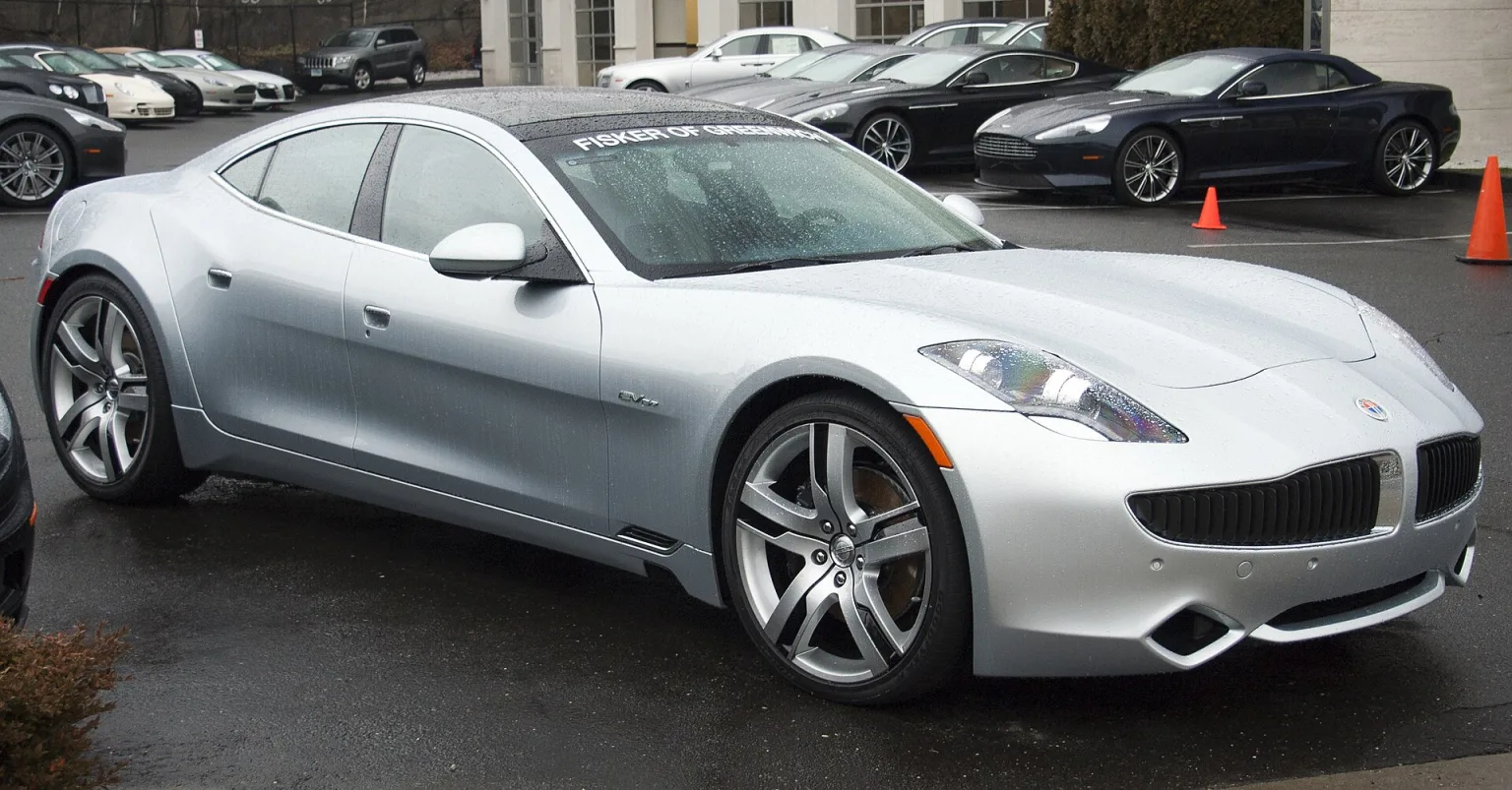
Sixteen Fisker Karma plug-in hybrid saloons were destroyed by fire at Port Newark, New Jersey, after Hurricane Sandy’s storm surge flooded the storage yard on the night of 30 October 2012. The incident raised immediate concerns about the vulnerability of high-voltage battery packs when exposed to saltwater flooding.
Sequence of events at Port Newark
Hurricane Sandy’s unprecedented storm surge breached the port, submerging thousands of vehicles awaiting delivery. Among them were new Fisker Karma hybrids, which use a lithium-ion battery pack in combination with a petrol engine. According to Fisker, none of the Karmas were plugged in or charging when the water rose. Shortly after the flood, witnesses reported that several vehicles began to smoulder, followed by fires that quickly engulfed 16 Karmas. Other vehicles parked nearby were not affected to the same extent.
Battery safety concerns in saltwater flooding
Early reports suggested that saltwater intrusion may have caused electrical shorts within the Karmas’ battery systems, leading to thermal runaway and fire. Lithium-ion batteries are known to be sensitive to contaminants, and saltwater is especially conductive. While the precise ignition mechanism remained under investigation, Fisker stated that safety was its primary concern and that it would work to determine the root cause once access to the site was restored. The company confirmed that there were no injuries and emphasised that the cars were not charging at the time of the incident.
Images circulated online showed extensive fire damage to the Karmas’ engine bays and passenger compartments, with the rear luggage areas less affected. The incident drew comparisons to previous battery-related fires in electric and hybrid vehicles, including other high-profile cases involving lithium-ion technology. For more on battery safety incidents, see GM Chemical Gases from the Battery Cells Were Released and Ignited.
Implications for Fisker and hybrid vehicle safety
The fires at Port Newark added to scrutiny of Fisker’s battery supplier and the Karma’s safety record, which had already faced questions after previous recalls for unrelated battery issues. While the company maintained confidence in its product, the event highlighted the need for robust safety protocols for electric and hybrid vehicles stored in flood-prone areas. No official recall was announced in direct response to the incident, but the investigation’s outcome was expected to inform future handling and storage of battery-powered vehicles in similar environments.
Owners and dealers were not directly affected, as the destroyed vehicles had not yet been delivered. However, the incident raised broader concerns for insurers, port operators and emergency services about the risks associated with large numbers of electrified vehicles in coastal storage during severe weather events.