Mazda’s US diesel plans stall amid VW emissions fallout
Mazda’s long-awaited US diesel launch faces fresh uncertainty as the Volkswagen emissions scandal prompts tougher scrutiny of diesel technology and delays regulatory approval.
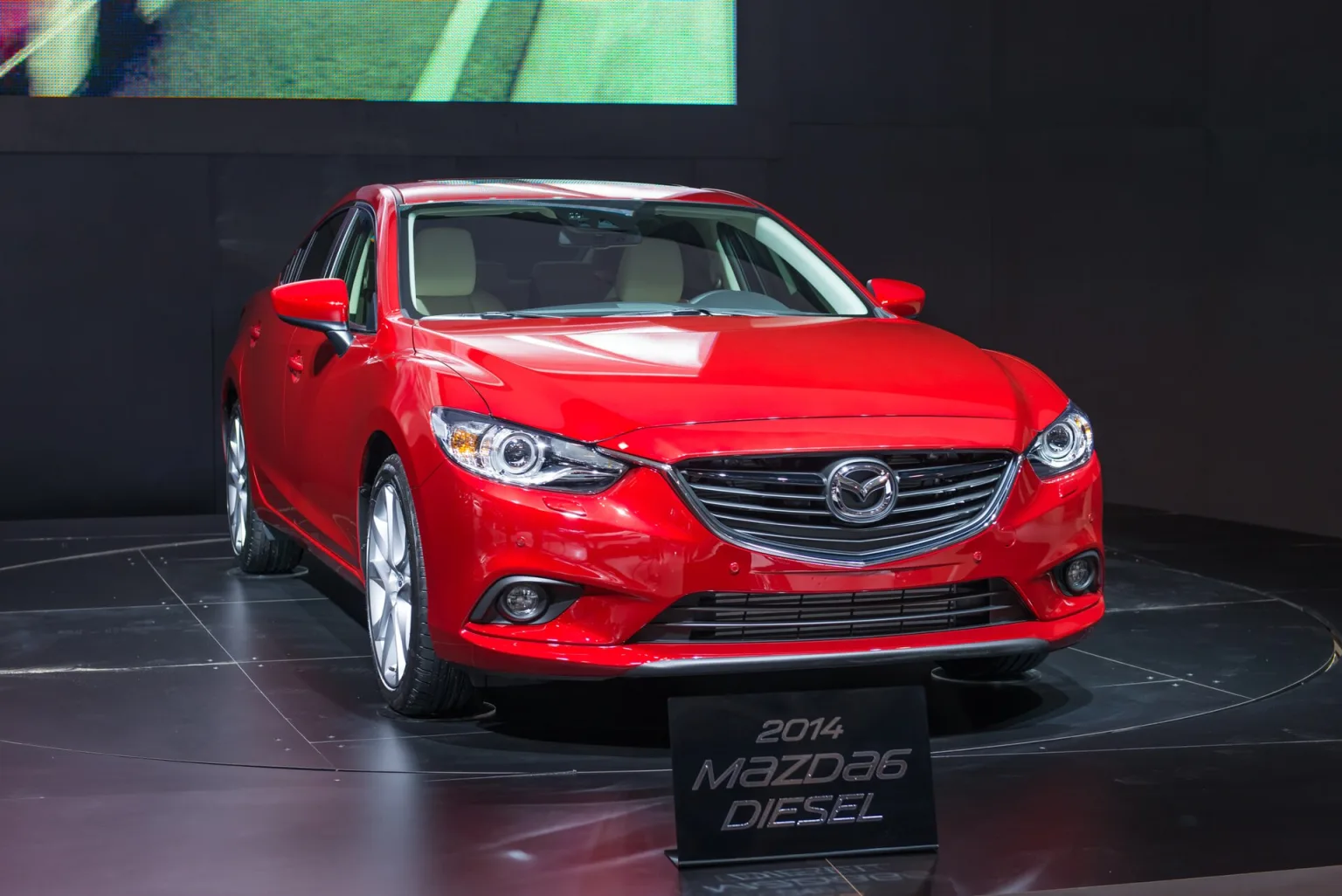
Mazda’s ambitions to introduce diesel-powered cars in the United States have been thrown into doubt following the Volkswagen emissions scandal, which has triggered a wave of regulatory scrutiny and public scepticism towards diesel technology. The Japanese manufacturer has repeatedly postponed its US diesel debut, and the fallout from Volkswagen’s misconduct has made the path forward even less certain.
Mazda has spent years developing its Skyactiv-D diesel engine to meet stringent US emissions standards without resorting to the kind of illegal defeat devices used by Volkswagen. The company has not established a firm timeline for the US launch, and a spokesperson confirmed that the strategy remains under review as regulators worldwide tighten testing procedures and enforcement. Mazda maintains that it has never used illegal methods to achieve compliance and says it supports efforts to improve real-world emissions testing.
Diesel’s shrinking prospects in the US
The Volkswagen scandal has had consequences far beyond Wolfsburg. As US authorities and other regulators intensify their focus on diesel emissions, manufacturers face longer approval times and tougher technical hurdles. Mazda, which has relied heavily on diesel in its home market, where around 45 percent of its domestic sales in the quarter to June were diesel-powered, now finds its US plans under threat from shifting regulatory and market sentiment. Analysts have questioned whether there is still a viable business case for introducing diesel passenger cars in the United States, where consumer trust has eroded and petrol engines remain dominant.
Other Japanese manufacturers have taken different approaches. Toyota has focused on hybrids, while Nissan has invested in electric vehicles, avoiding the regulatory headwinds now buffeting diesel. Mazda’s commitment to diesel technology, once seen as a differentiator, is now a liability in the US context, with no clear path to market for its Skyactiv-D models.
What the delay means for Mazda and the industry
For Mazda, the uncertainty around diesel in the US complicates its product planning and marketing. The company must weigh continued investment in diesel against the risk of further regulatory changes and consumer resistance. For workers and suppliers involved in diesel development, the lack of clarity adds to industry-wide anxiety already heightened by the Volkswagen scandal’s global repercussions.