Porsche Sticks to 15% Margin Target Despite Costs of Electrification
Porsche aims to maintain its 15 percent profit margin in 2016, even as stricter emissions rules and investment in electric models drive up costs.
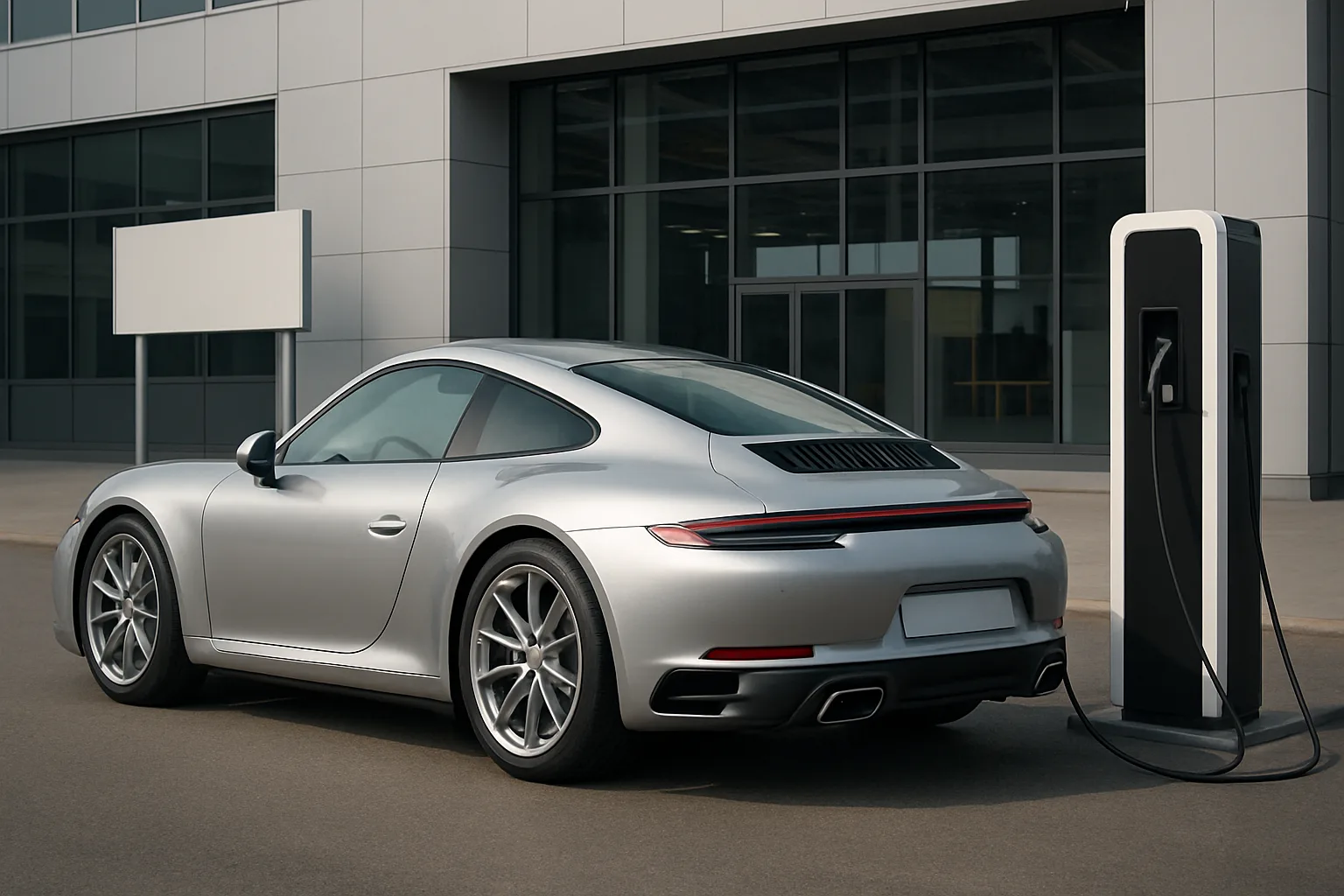
Porsche says it will hold its operating profit margin at 15 percent in 2016, despite mounting pressure from emissions regulations and the cost of electrification. The company reported a 16 percent margin in its most recent fiscal year, its highest yet, and management is determined not to let tightening rules erode that position.
Finance chief Lutz Meschke described the 15 percent figure as a non-negotiable target for the brand. He acknowledged that the cost of meeting stricter carbon dioxide limits will rise, especially as Porsche adapts its line-up to include more electrified models. The company expects to spend roughly €1 billion developing its first fully electric car, the Mission E.
Porsche’s position as the Volkswagen Group’s most profitable brand is well established. Its success is critical to the group’s overall financial health, particularly as other group brands face their own challenges. The 911 remains the company’s flagship, but adding a plug-in hybrid powertrain to the model would push prices up by about €10,000, according to Meschke. That could test the willingness of even Porsche’s loyal customer base to absorb higher costs.
Emissions rules and electrification raise costs
The shift to lower-emission vehicles is not unique to Porsche, but the scale of investment required is considerable for a manufacturer that relies on high-performance engines. Each new electrified or hybrid model requires significant engineering and battery development, pushing up costs per unit. The company has warned investors not to expect higher profit margins in the near term, given these demands.
- Plug-in hybrid powertrains increase model prices.
- Battery development absorbs capital.
- Emissions compliance adds regulatory costs.
What it means for buyers and investors
For Porsche buyers, especially those considering a future 911 plug-in, higher prices are likely as the brand passes on some of the additional development costs. Investors, meanwhile, have been cautioned against expecting further margin expansion. Porsche management insists the 15 percent target is realistic, but acknowledges that each electrified model will be a test of both cost control and customer loyalty.