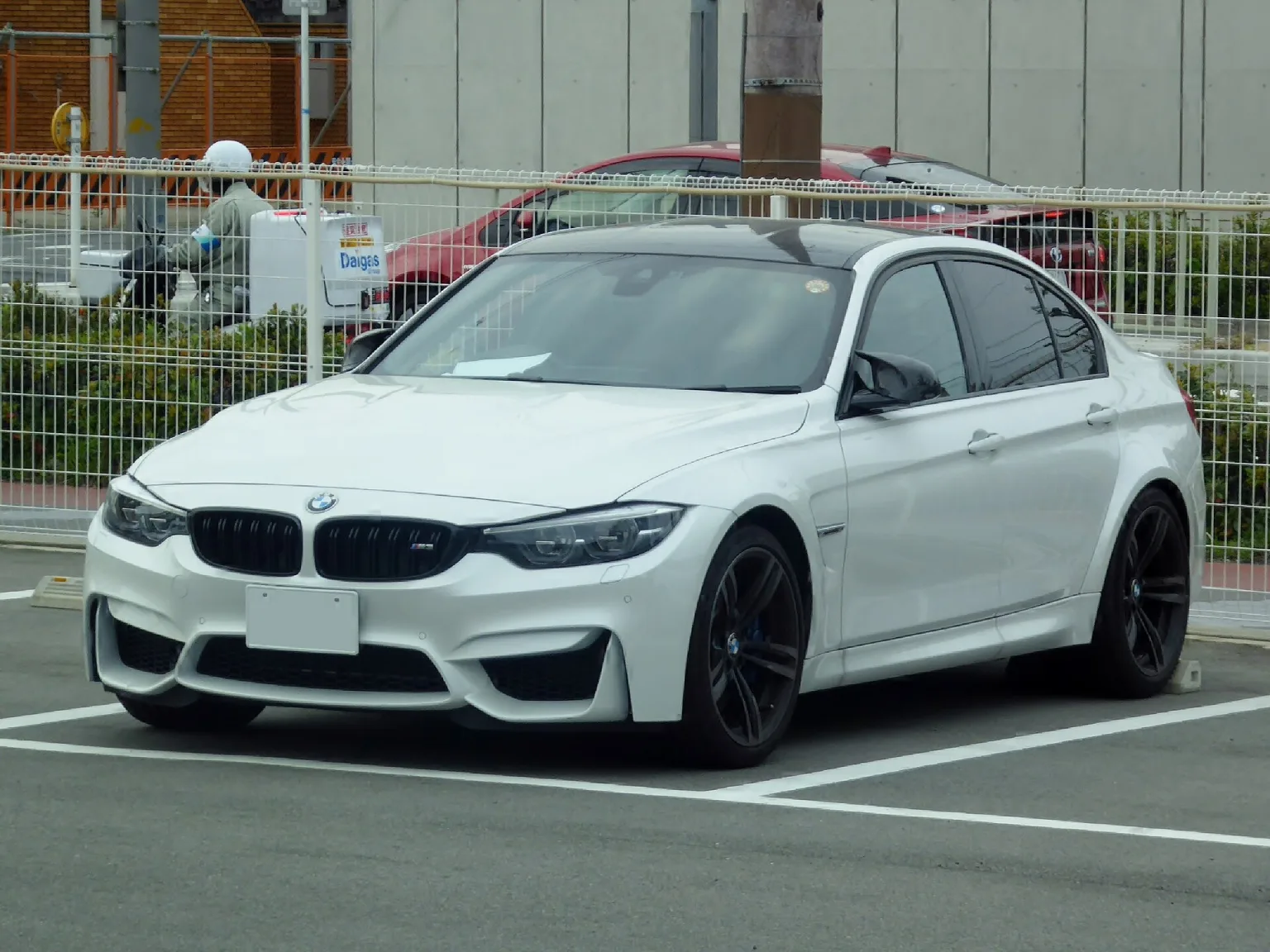
BMW ends F80 M3 production early due to WLTP rules
Production of the F80-generation BMW M3 will finish in May 2018 for Europe and in October for Australia, as stricter emissions standards prompt the model’s early exit.


Coverage tagged Regulation.
Page 3 of 14
Production of the F80-generation BMW M3 will finish in May 2018 for Europe and in October for Australia, as stricter emissions standards prompt the model’s early exit.
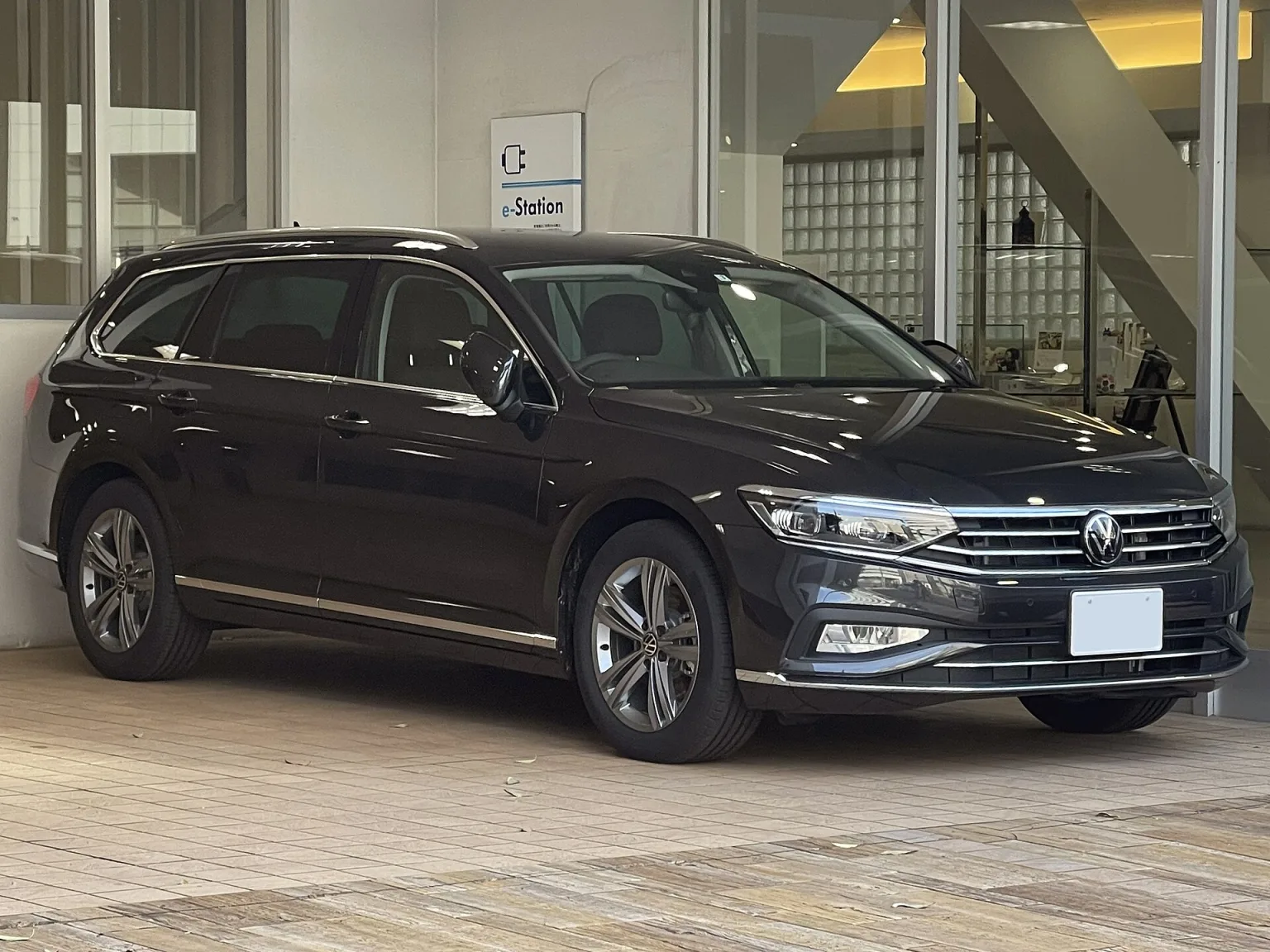
Volkswagen confirmed 11 million diesel vehicles worldwide are fitted with emissions-cheating software and allocated €6.5bn to cover recalls, repairs and customer trust measures.
A former Audi engineer has told German investigators that senior Audi management was aware of emissions cheating as early as 2006, deepening scrutiny of the VW Group scandal.
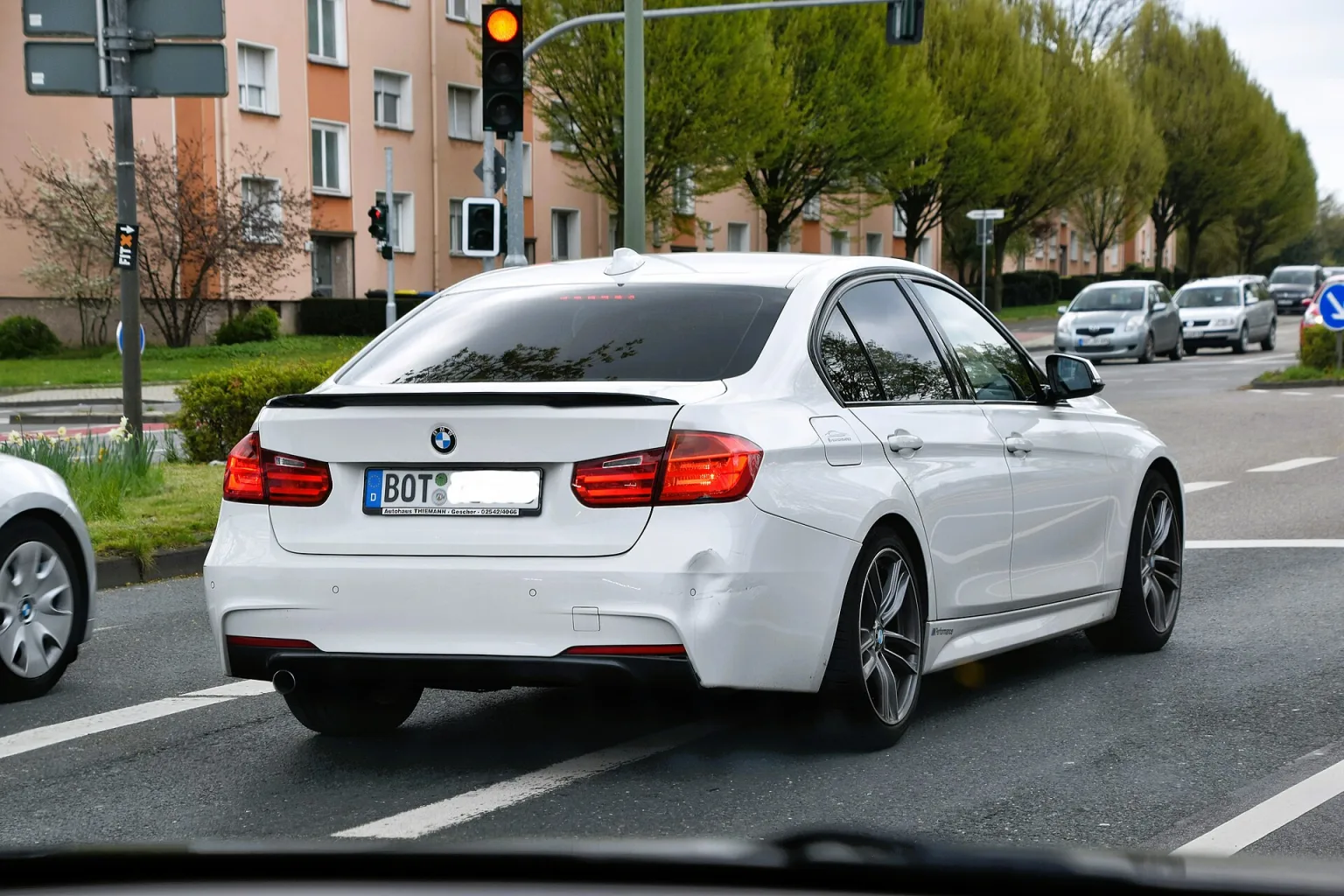
BMW has denied involvement in alleged emissions collusion but will recall all Euro 5 diesel models in Europe to update emissions software.
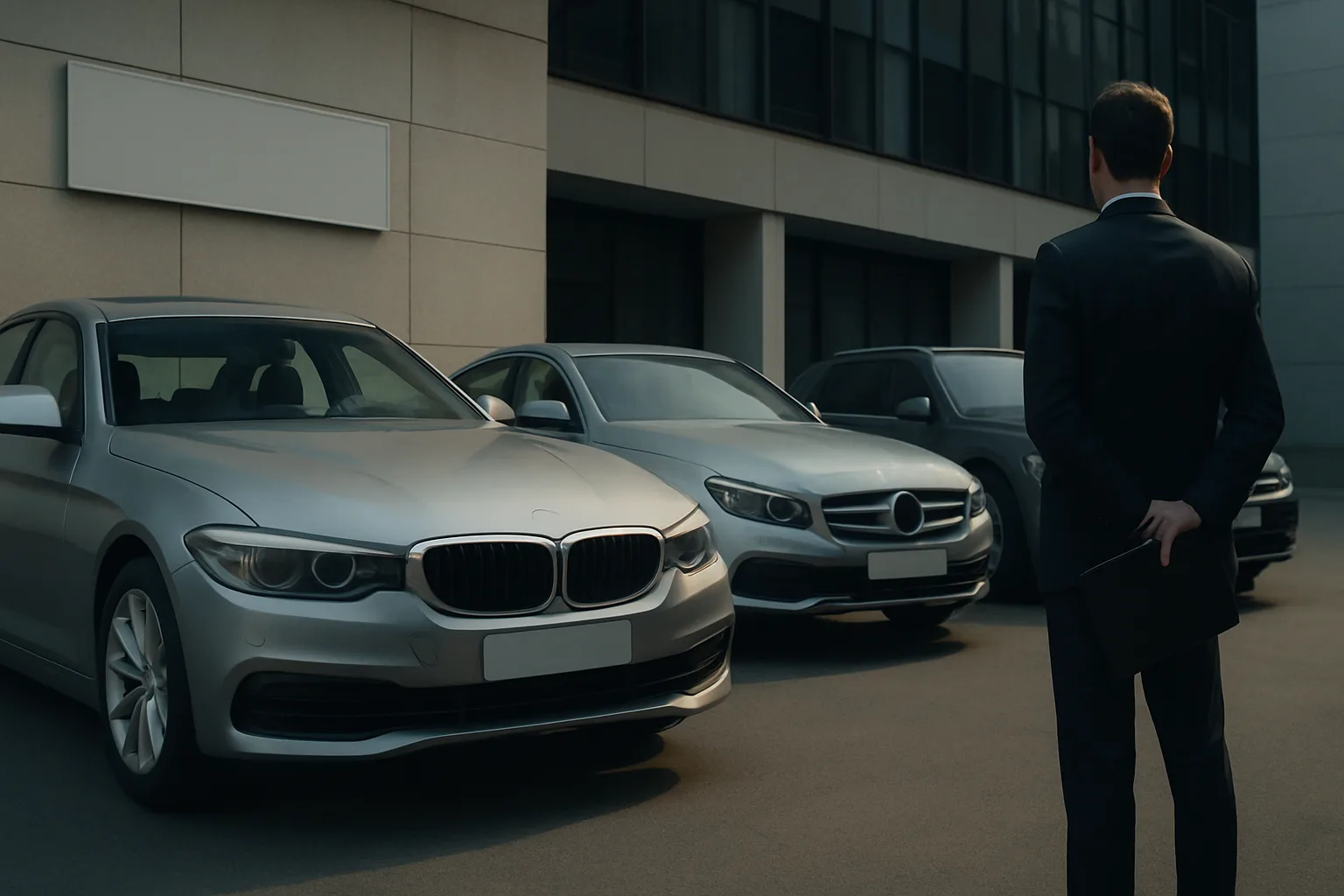
Competition authorities are examining claims that BMW, Daimler and Volkswagen brands coordinated diesel emissions technology and pricing for over two decades.
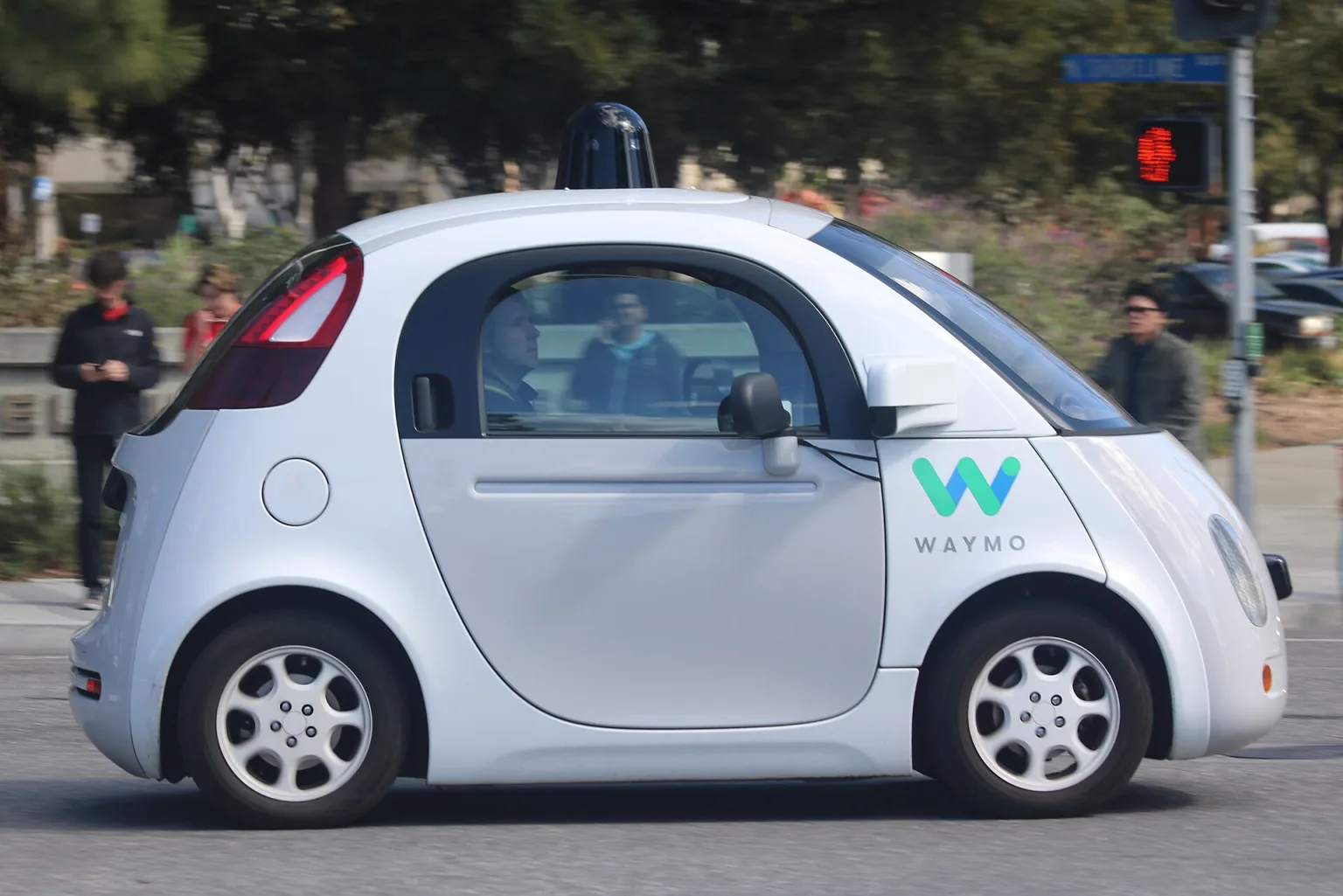
Draft legislation from House Republicans would prevent US states and cities from setting their own autonomous vehicle standards, shifting regulatory power to the federal government.
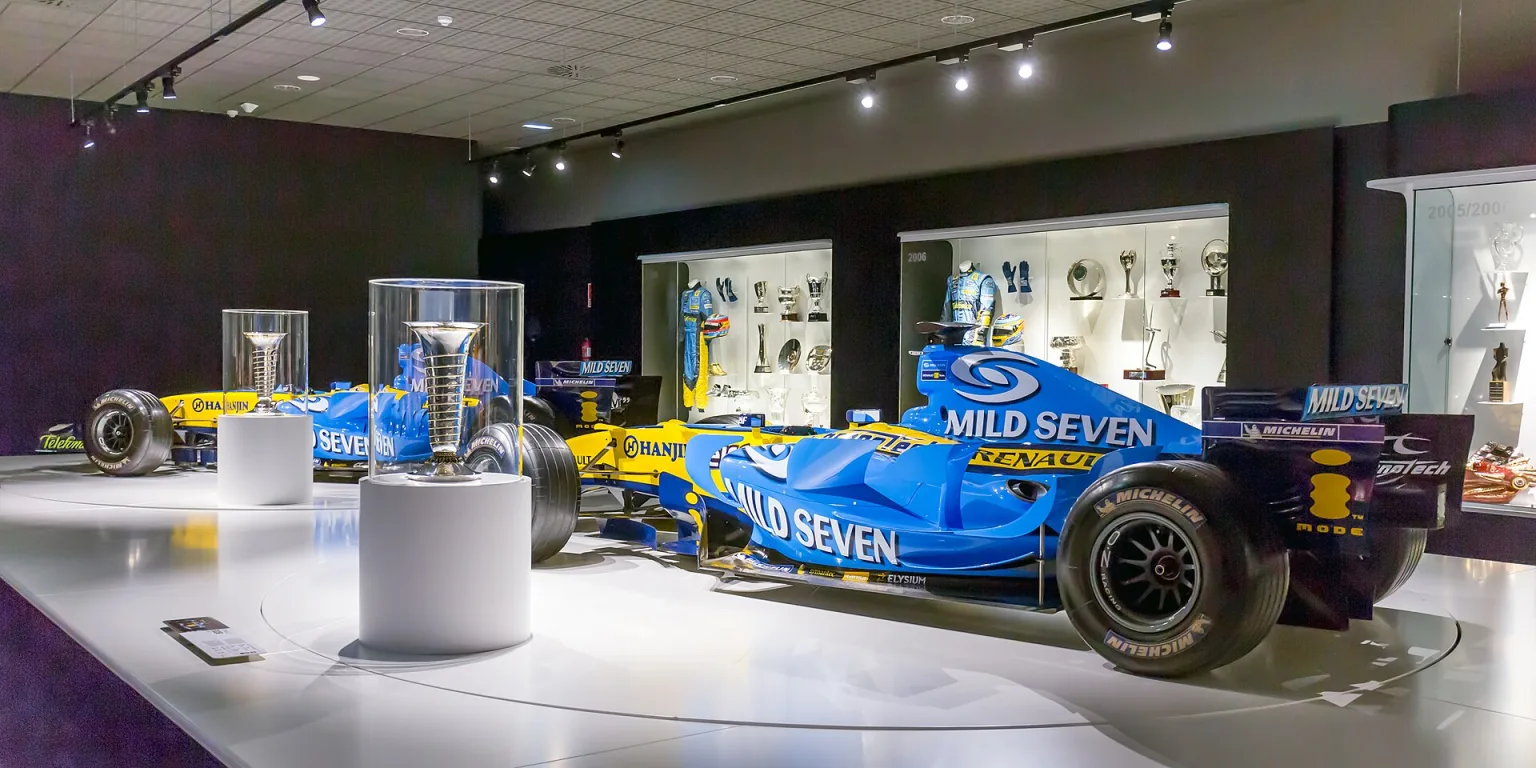
Jenson Button has revealed that many Formula 1 drivers would prefer a return to the V10 engines, despite the sport's ongoing shift towards greener technology.
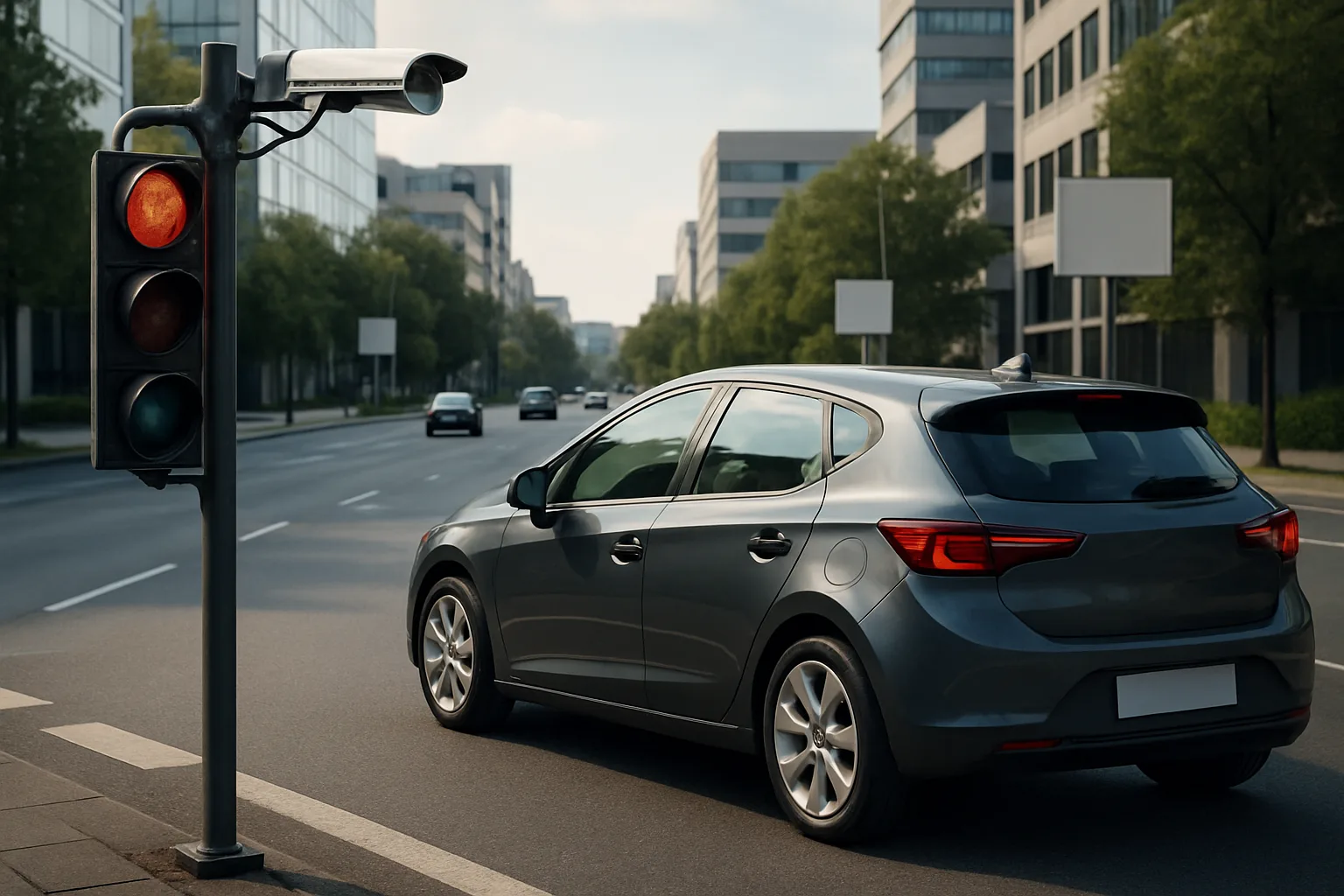
A £3 million project will see over 2,500 cameras and AI systems deployed across Milton Keynes, aiming to reduce congestion by reacting to real-time traffic conditions.
Anthony Foxx says the government will take a more forceful approach after Fiat Chrysler is fined $105 million and ordered to buy back unsafe vehicles.
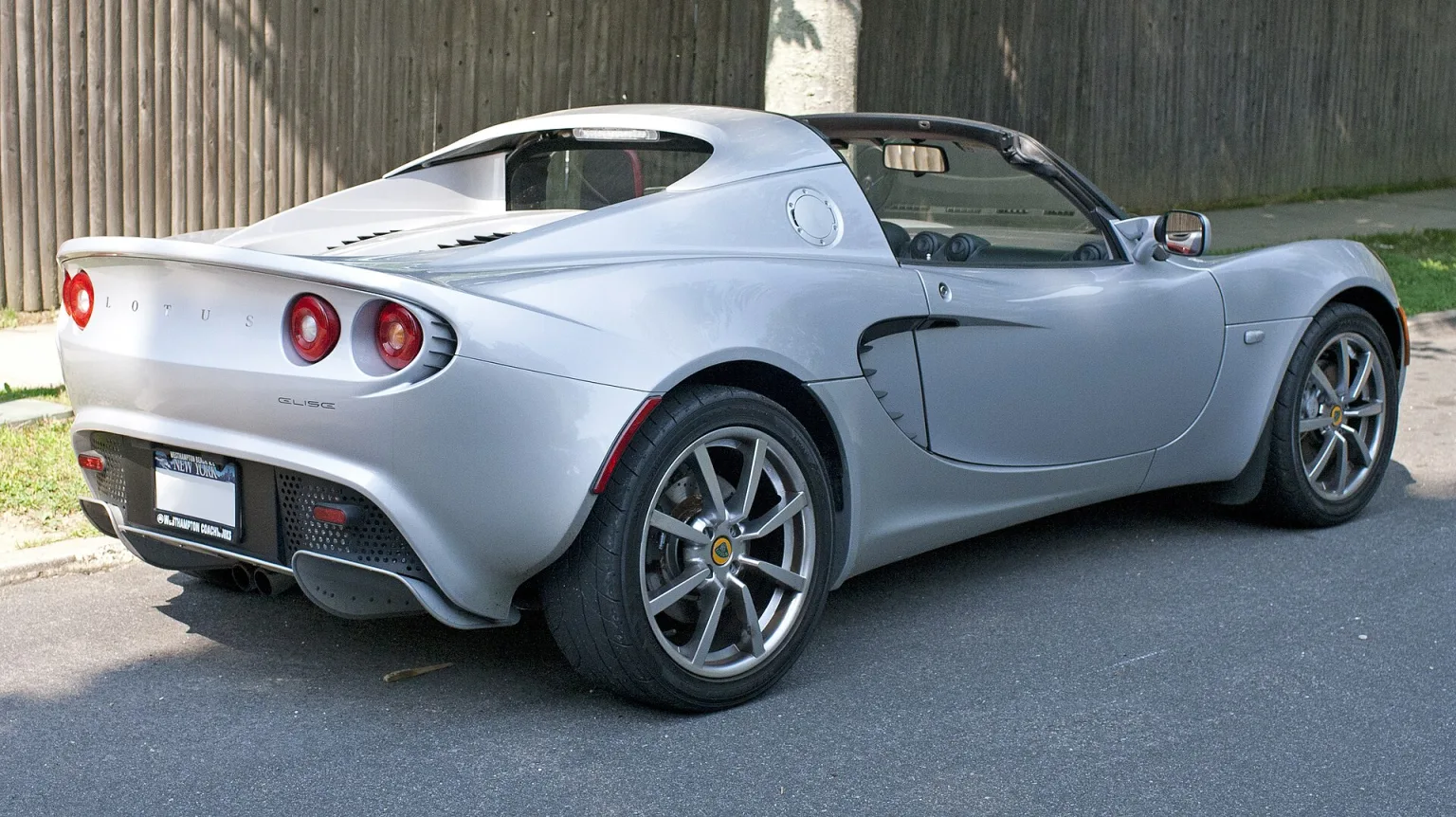
Lotus will cease production of US-spec Elise and Exige models by the end of August 2011, citing engine supply and regulatory issues, with limited Final Editions marking the end.
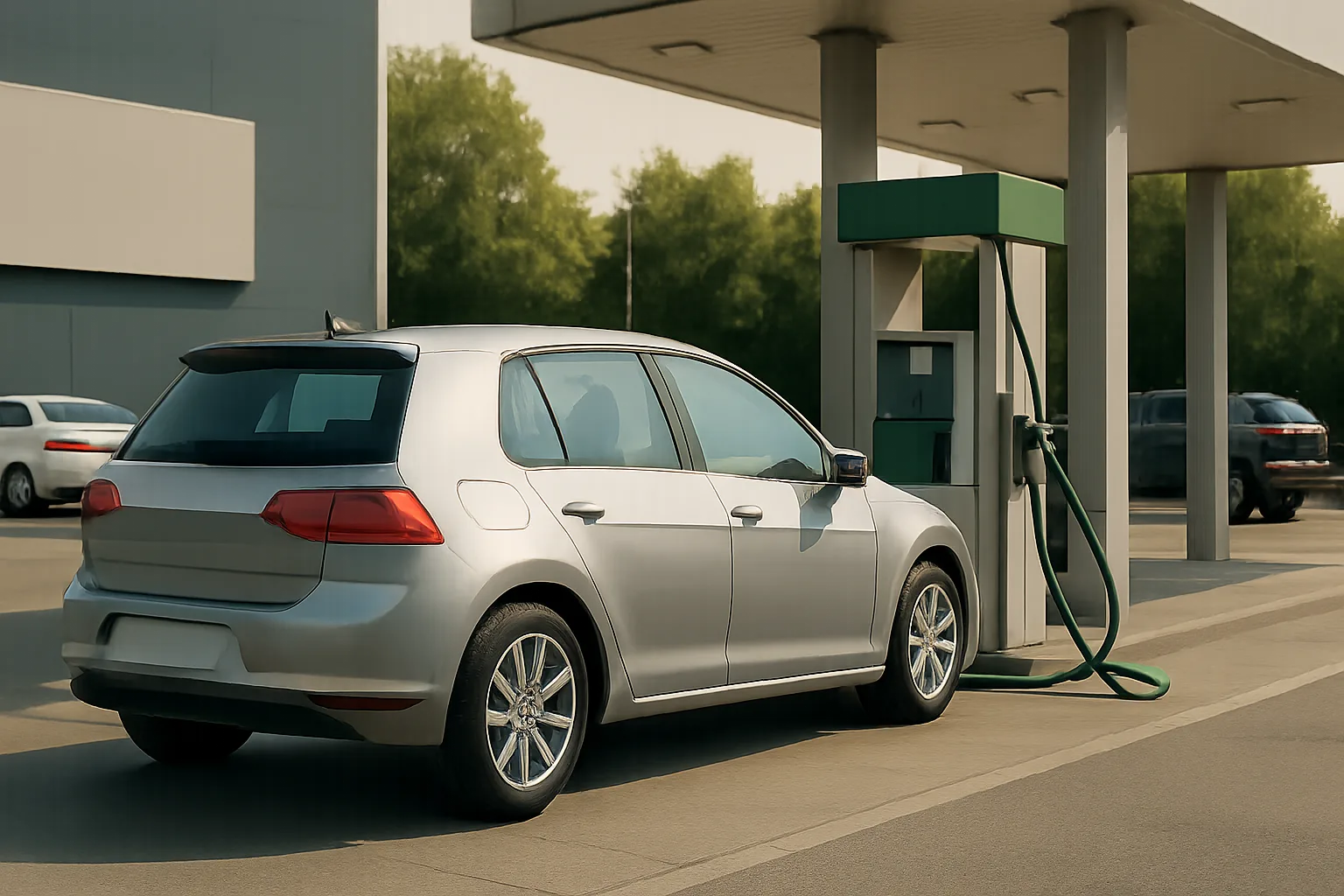
Volkswagen has committed to growing the compressed natural gas market in Europe, aiming to double filling stations and boost CNG vehicle numbers by 2025.
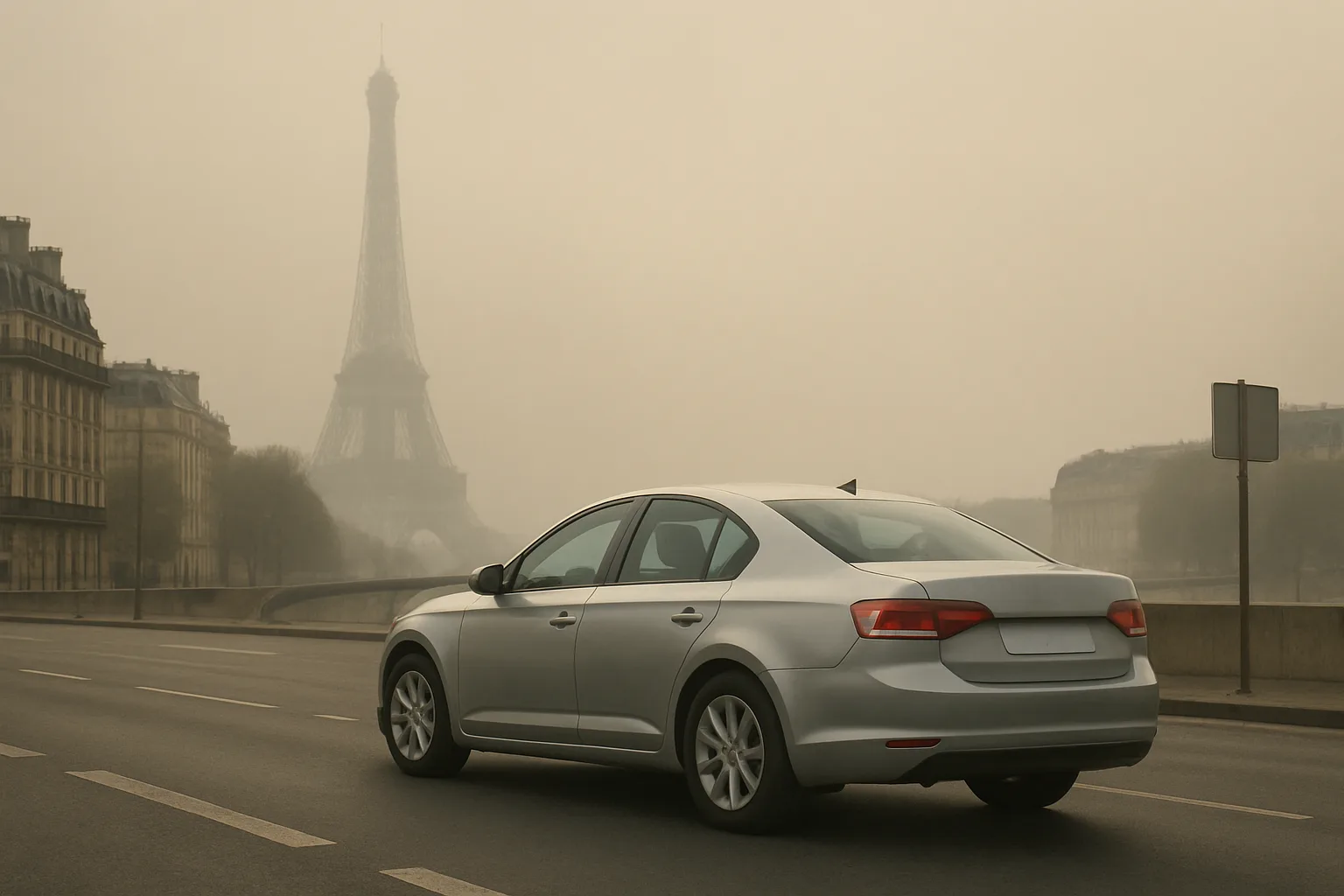
Authorities barred older and higher-emitting vehicles from the capital and surrounding towns, making public transport free as ozone levels reached health risk thresholds.
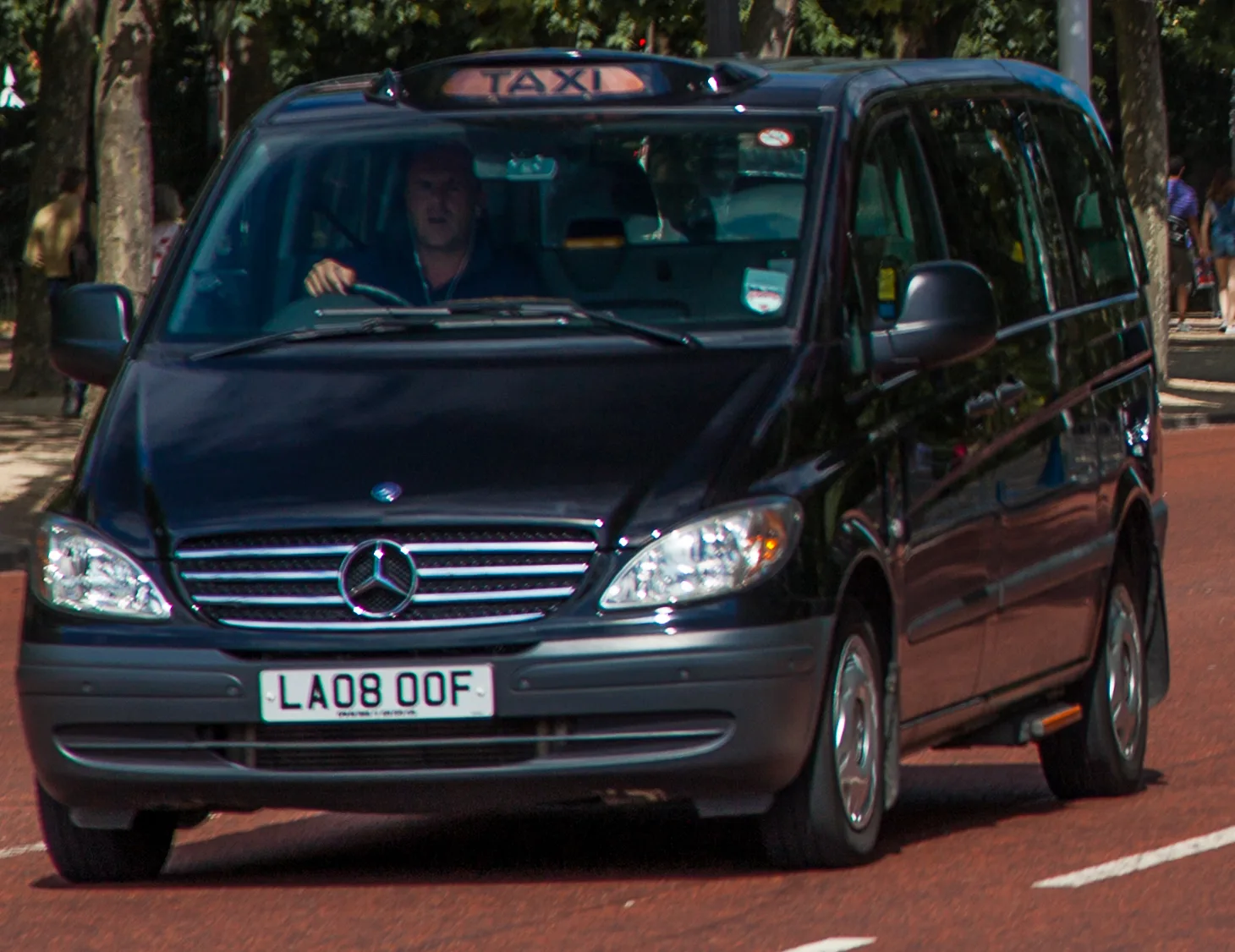
The 2017 Mercedes-Benz Vito, modified to meet Transport for London’s strict requirements, enters service as a fully certified black cab with capacity for six passengers.
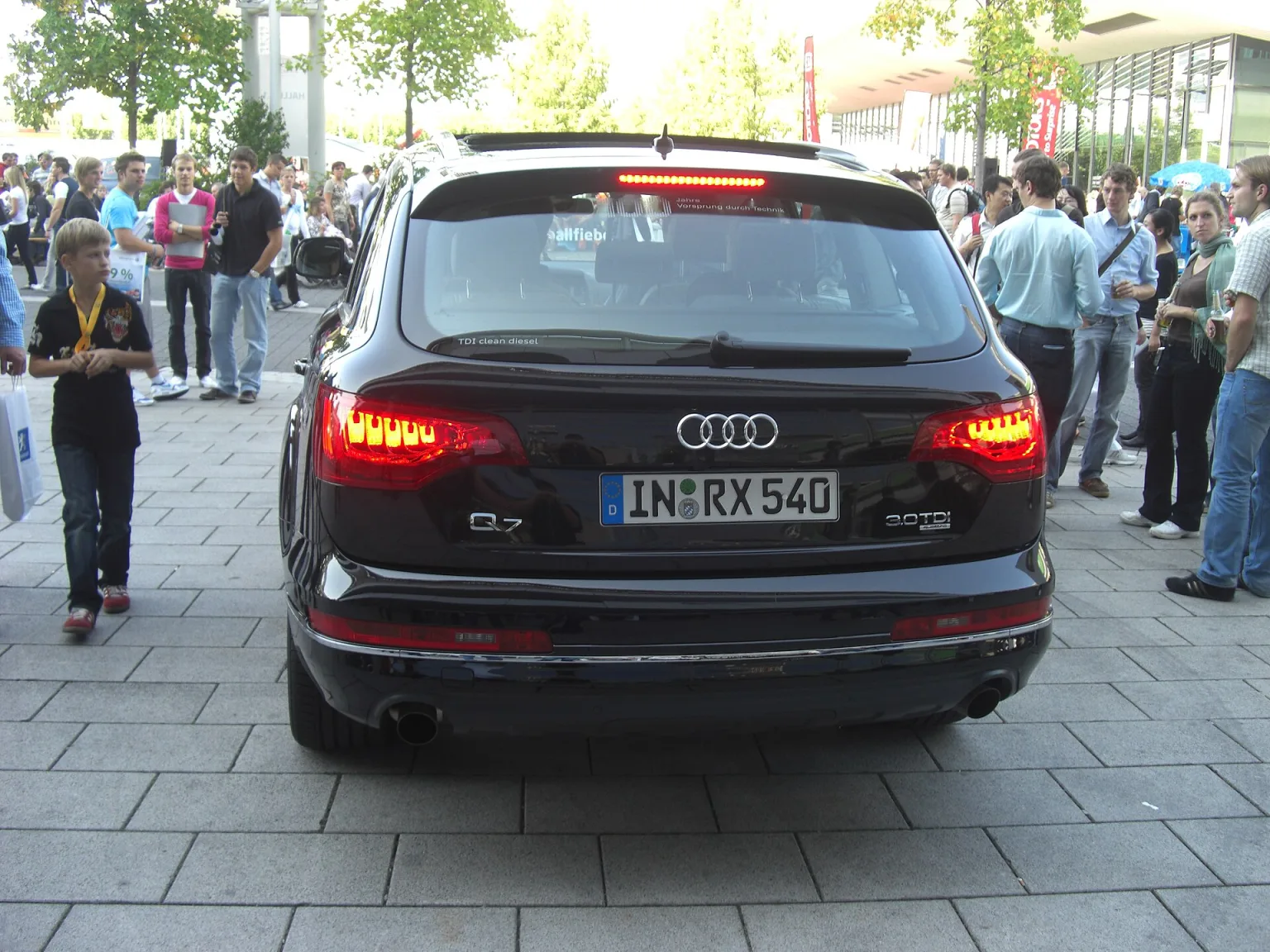
US authorities forced Volkswagen Group to offer buybacks or fixes for around 85,000 VW, Audi and Porsche models fitted with the 3.0-litre V6 TDI after emissions cheating was confirmed.
Elaine Chao takes charge of the US Department of Transportation after a decisive Senate vote, positioning her to oversee infrastructure, safety and autonomous vehicle policy.
US safety regulators have closed their investigation into Tesla’s Autopilot, finding no defects and reporting a substantial reduction in crash rates after Autosteer was introduced.
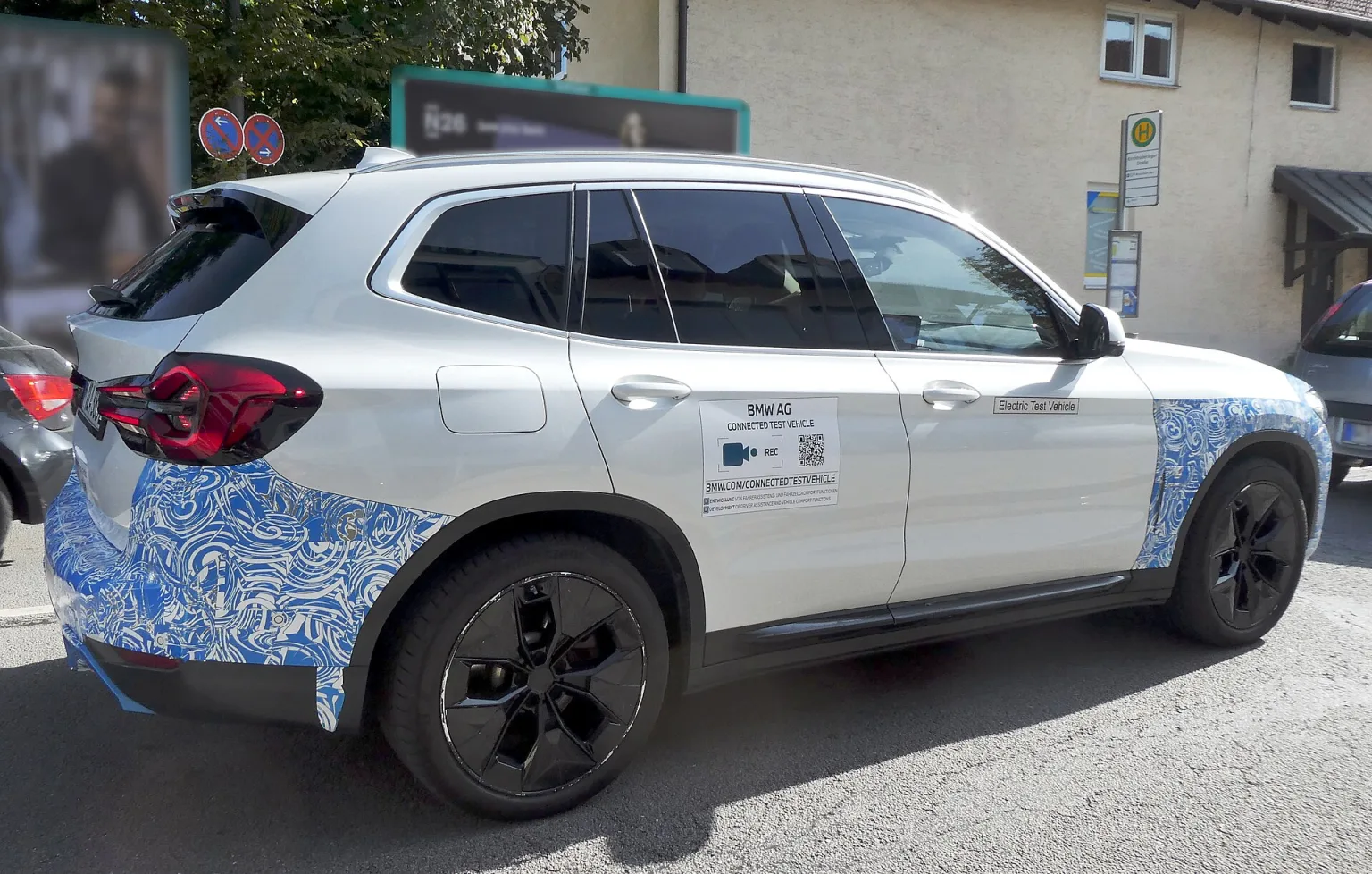
BMW and Mercedes-Benz have both secured approval to run autonomous vehicle tests on German public roads, escalating competition between the two in self-driving technology.
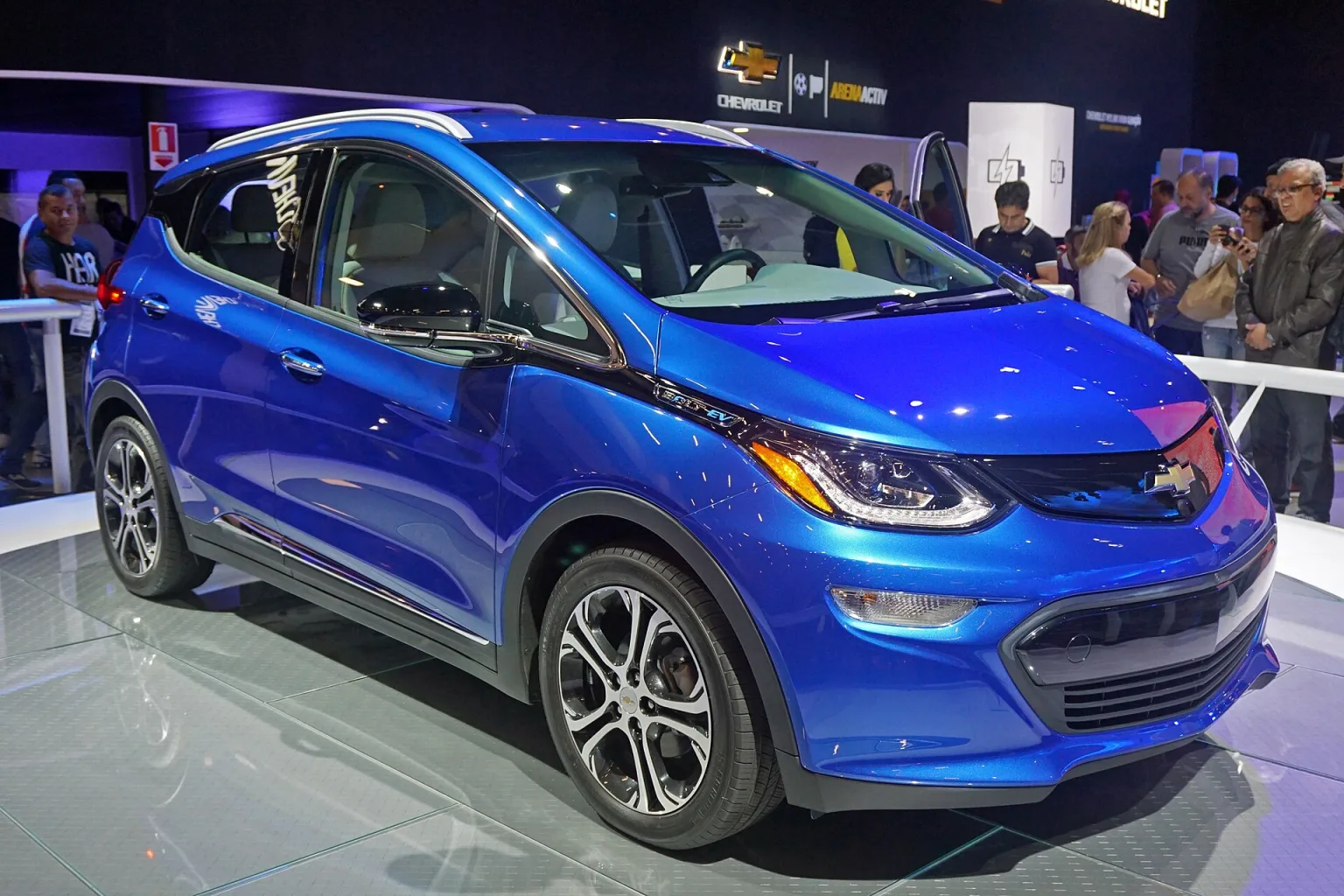
Industry analysis suggests General Motors could lose as much as $9,000 on every Chevrolet Bolt it sells, raising questions about long-term strategy for affordable electric vehicles.
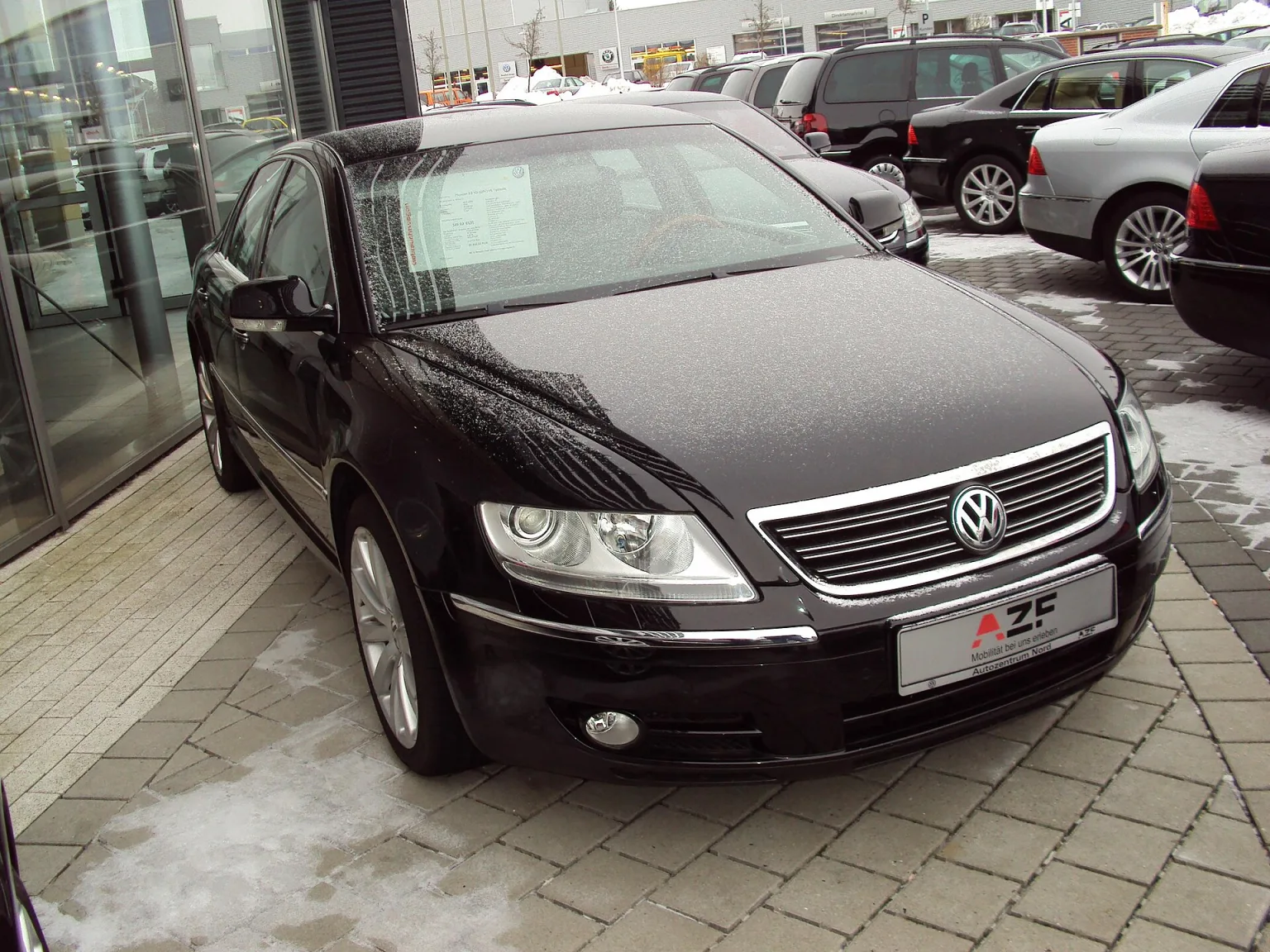
Volkswagen aims to agree a US-approved repair for 3.0-litre diesel engines by late October, potentially affecting around 85,000 Audi, Porsche and VW vehicles.
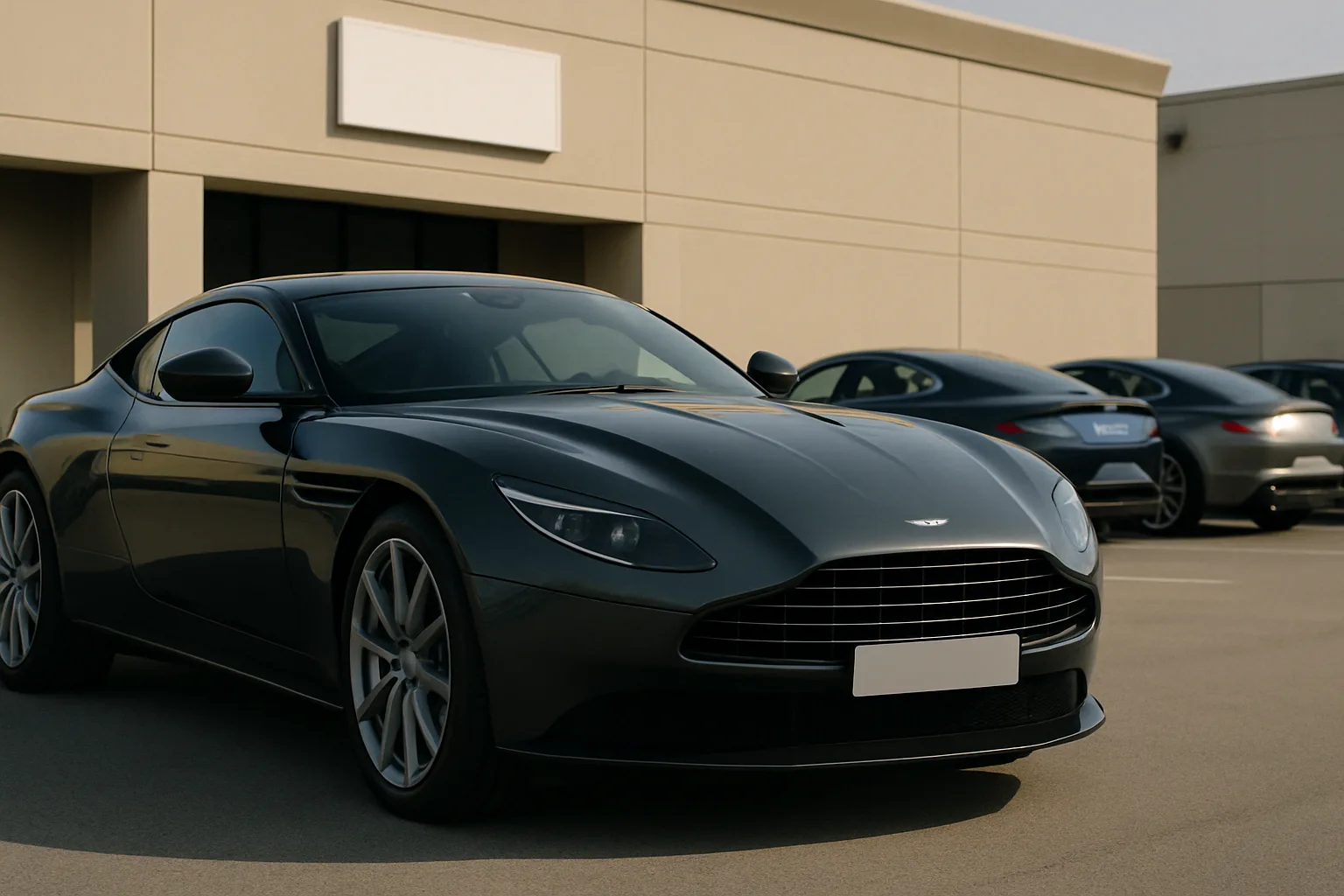
US safety regulators have ordered Aston Martin to recall 6,076 cars from 2010 to 2016 after its double-lock anti-theft system was found non-compliant with federal standards.
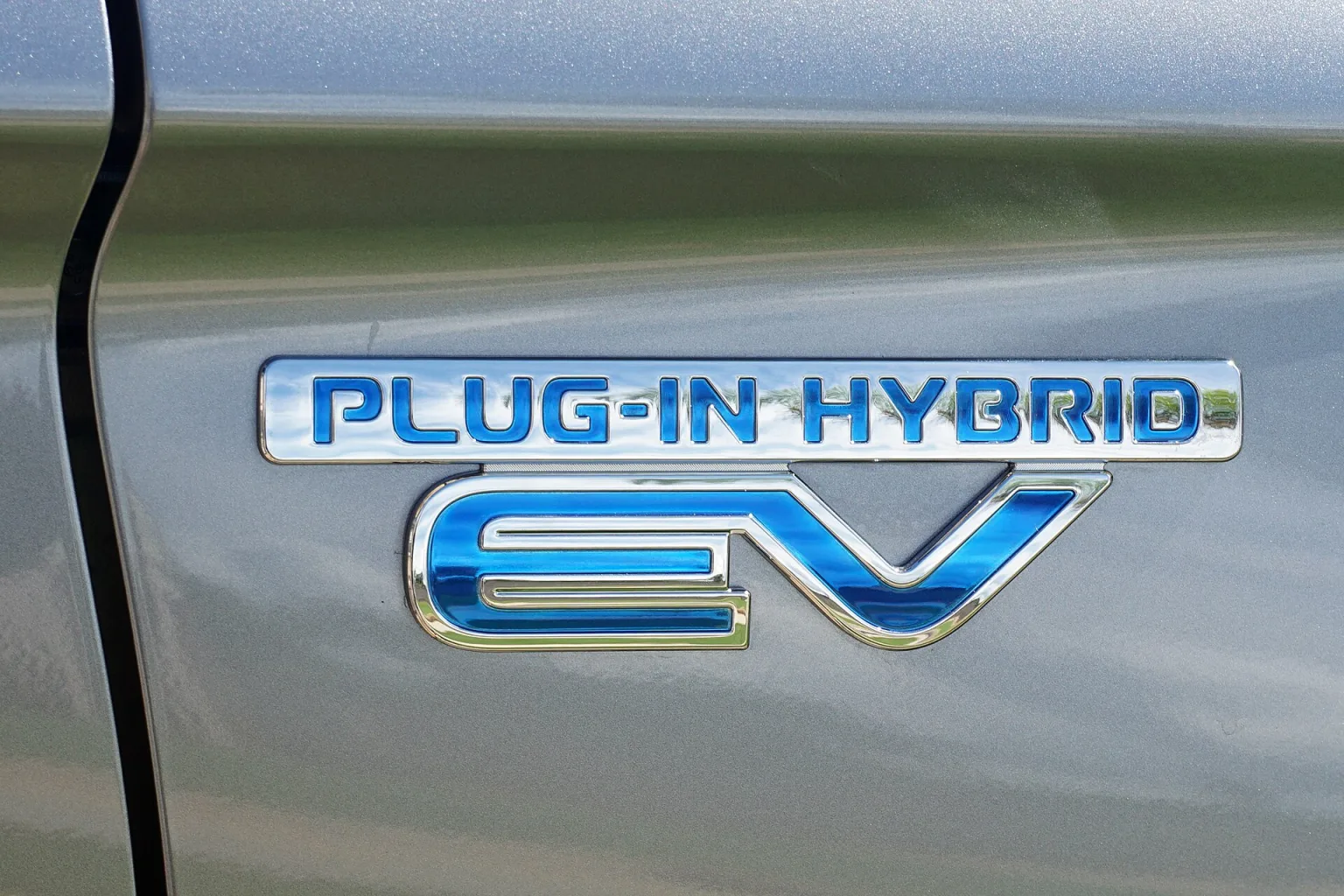
Ukraine’s police will replace older Russian-built vehicles with 651 Mitsubishi Outlander PHEV crossovers as part of a government fleet overhaul linked to environmental commitments.
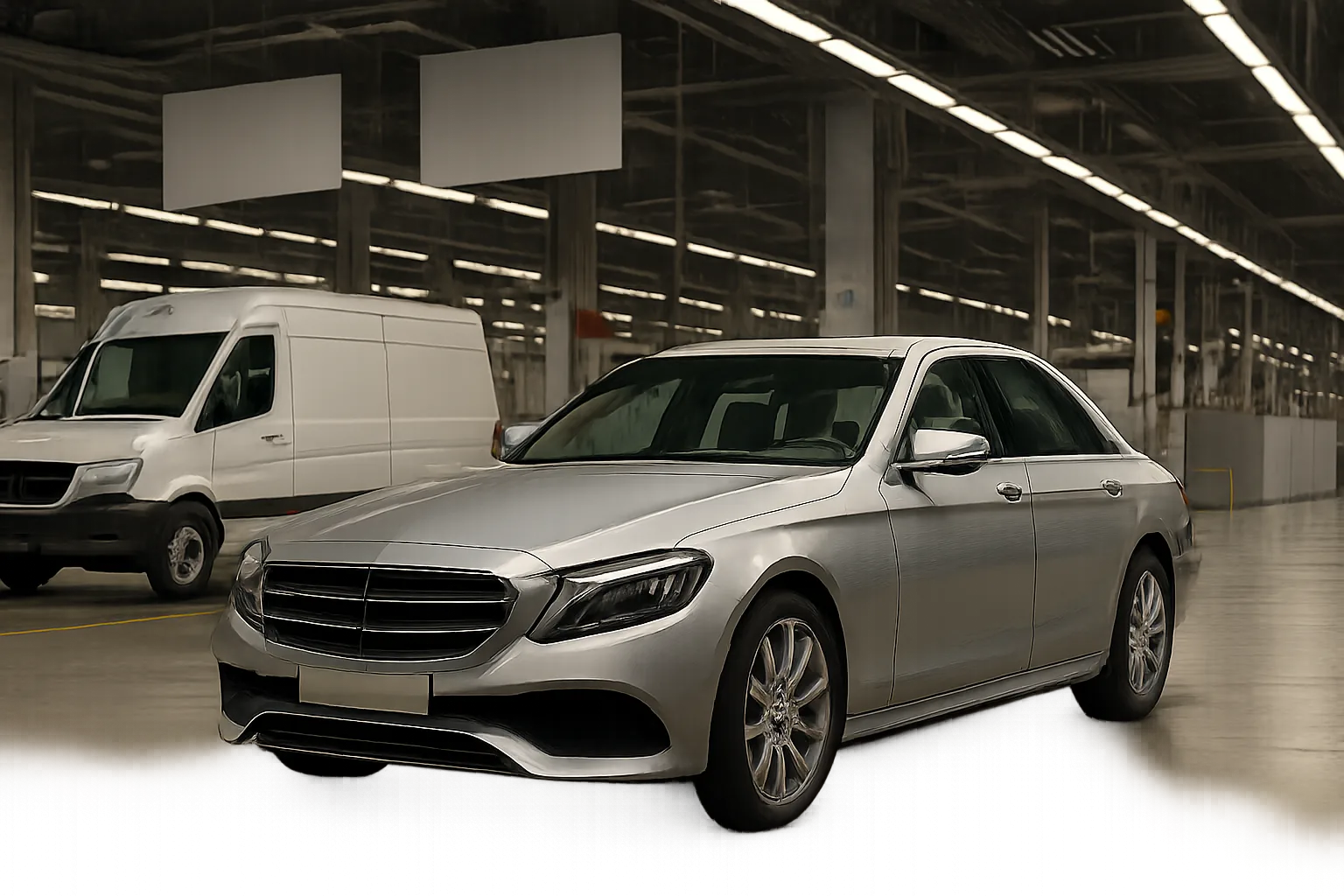
Daimler posted €3.97bn in adjusted EBIT for Q2 2016, outpacing forecasts even as recall and legal costs weighed on results, with vans and financial services driving gains.
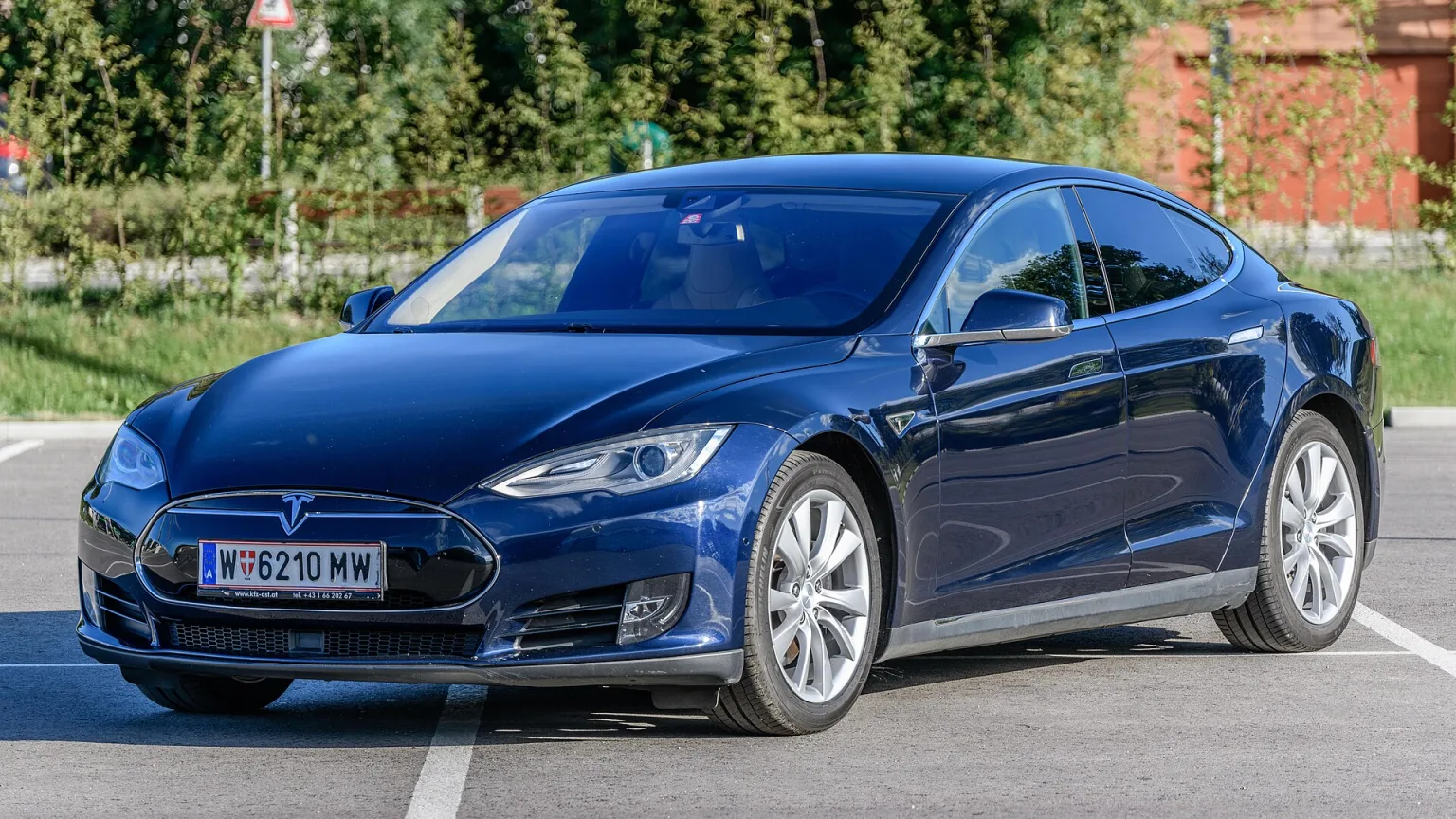
The Federal Motor Transport Authority is examining Tesla’s latest Autopilot software update after concerns were raised about its approval process in Germany.
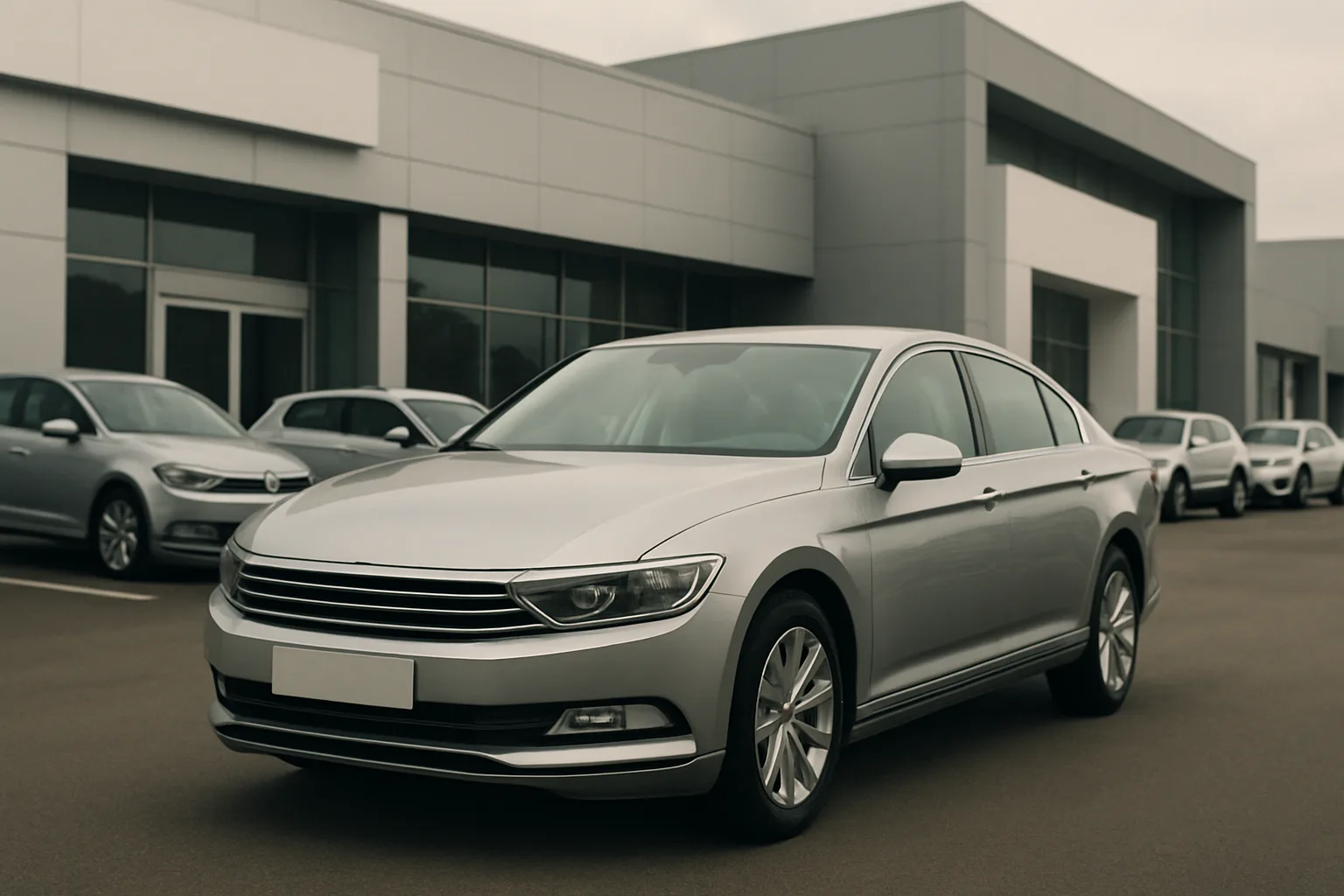
South Korea’s environment ministry is considering revoking certification for 32 Volkswagen Group models, a move that could halt all VW sales in the country this month.