US Transportation Secretary Promises Tougher Auto Safety Oversight
Anthony Foxx says the government will take a more forceful approach after Fiat Chrysler is fined $105 million and ordered to buy back unsafe vehicles.


Coverage tagged Safety.
Page 3 of 21
Anthony Foxx says the government will take a more forceful approach after Fiat Chrysler is fined $105 million and ordered to buy back unsafe vehicles.
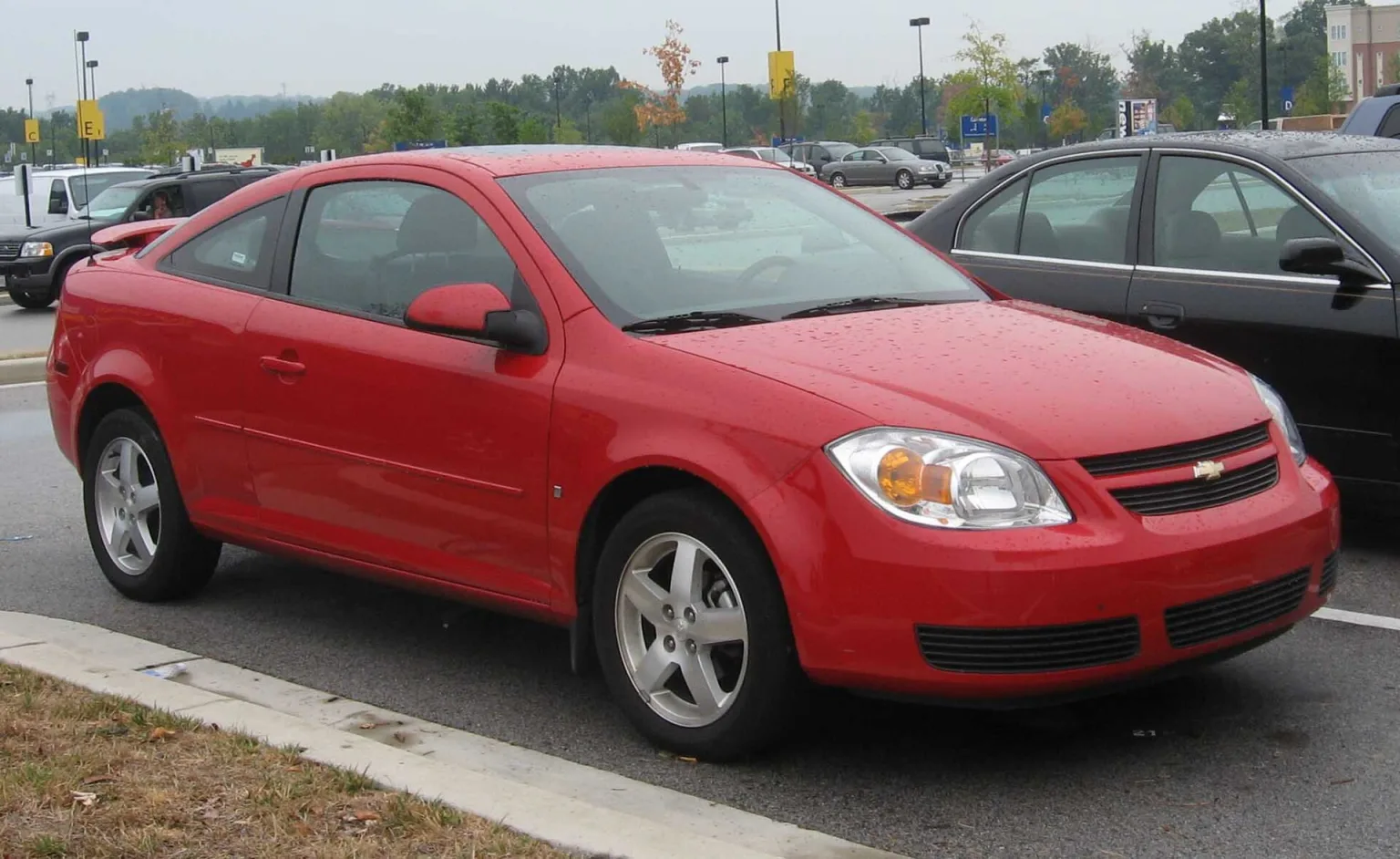
The official death toll from General Motors' defective ignition switches rose to 117, according to the latest figures from the company's independent compensation fund in June 2015.
Elaine Chao takes charge of the US Department of Transportation after a decisive Senate vote, positioning her to oversee infrastructure, safety and autonomous vehicle policy.
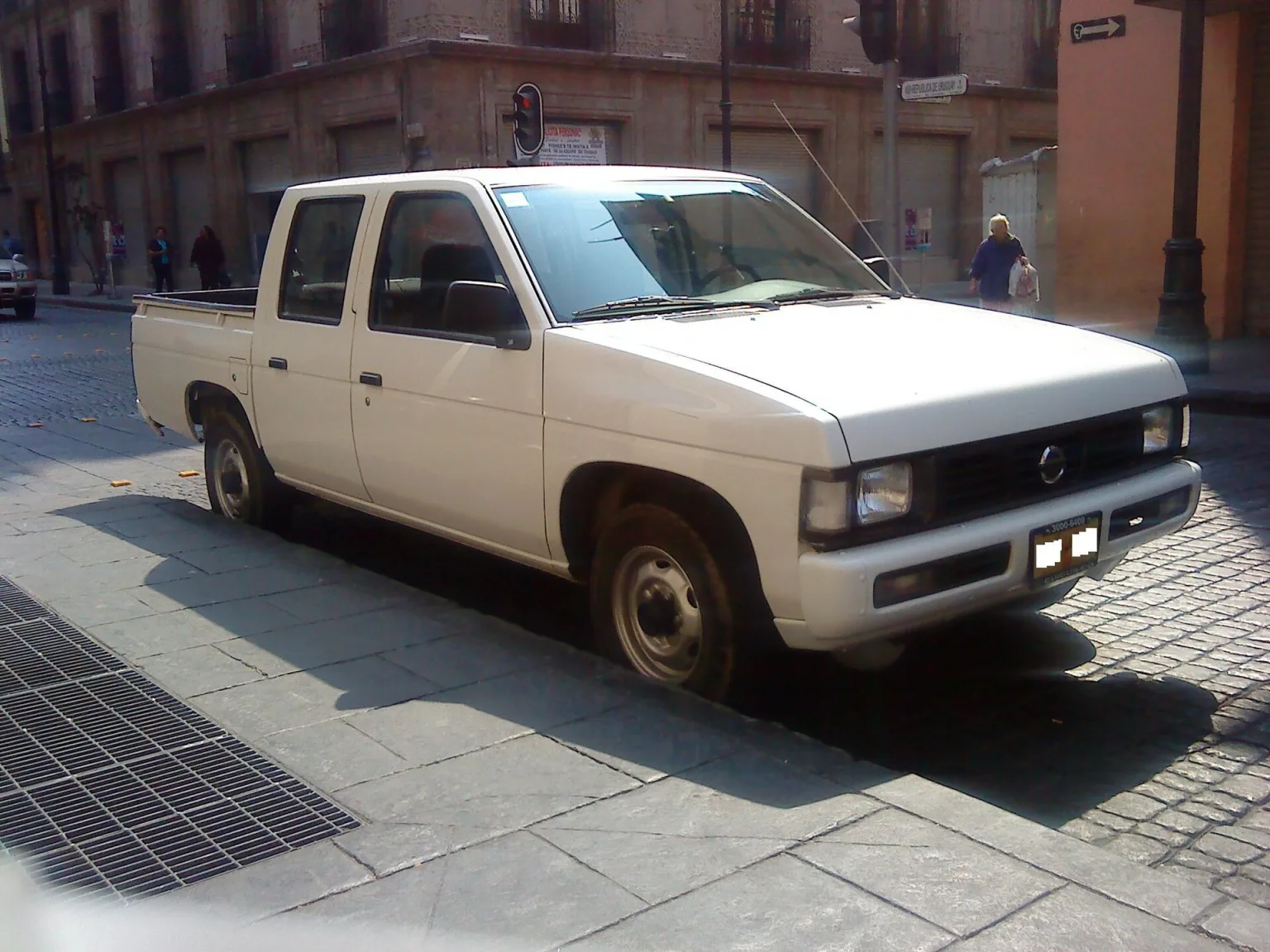
A Nissan pickup driver stranded on Humboldt Bay’s North Jetty during high surf was airlifted to safety after waves battered his truck and a boat rescue failed.
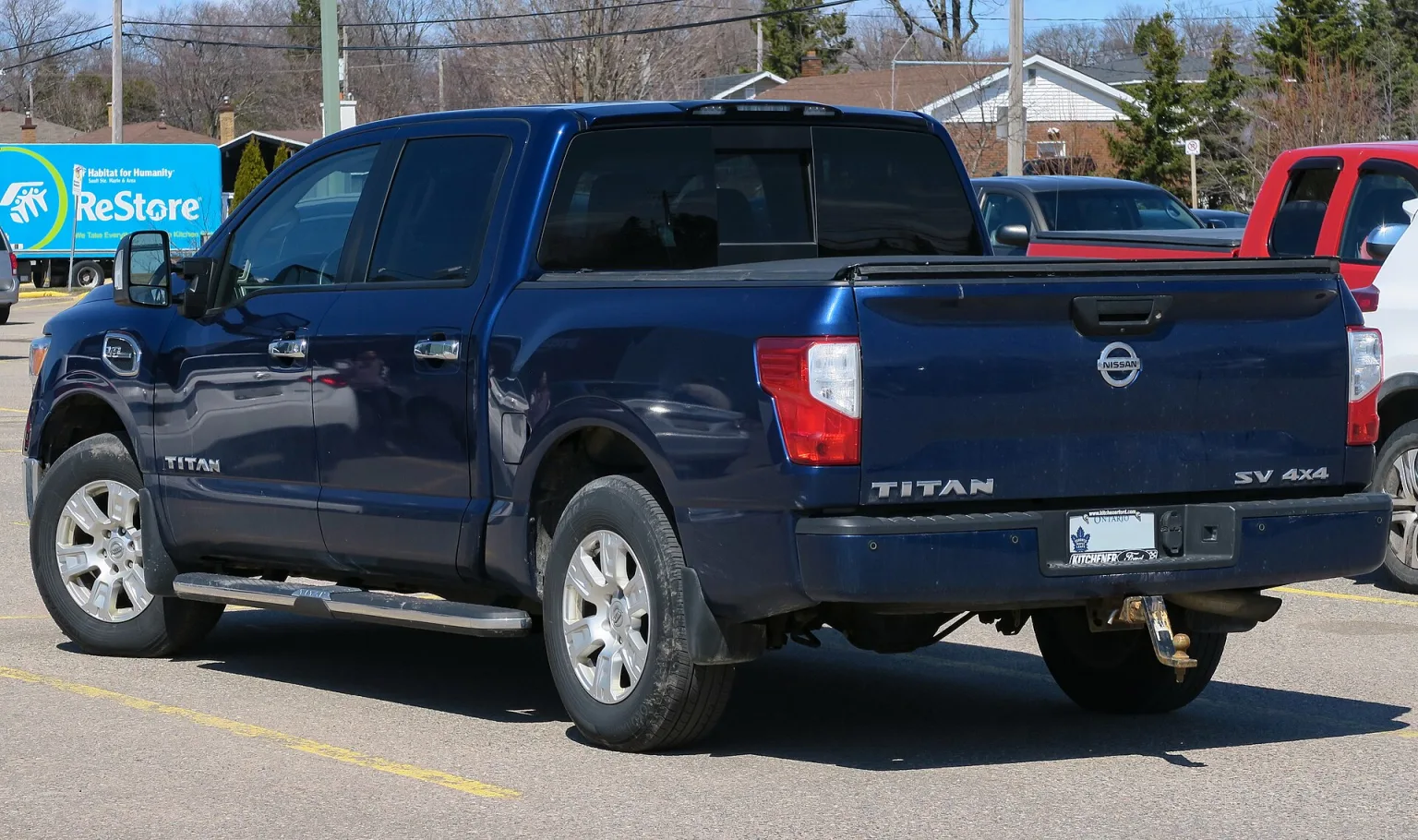
The 2017 Nissan Titan Crew Cab received a 'marginal' score in the IIHS small overlap front crash test, matching rivals but falling short of the Ford F-150.
US safety regulators have closed their investigation into Tesla’s Autopilot, finding no defects and reporting a substantial reduction in crash rates after Autosteer was introduced.
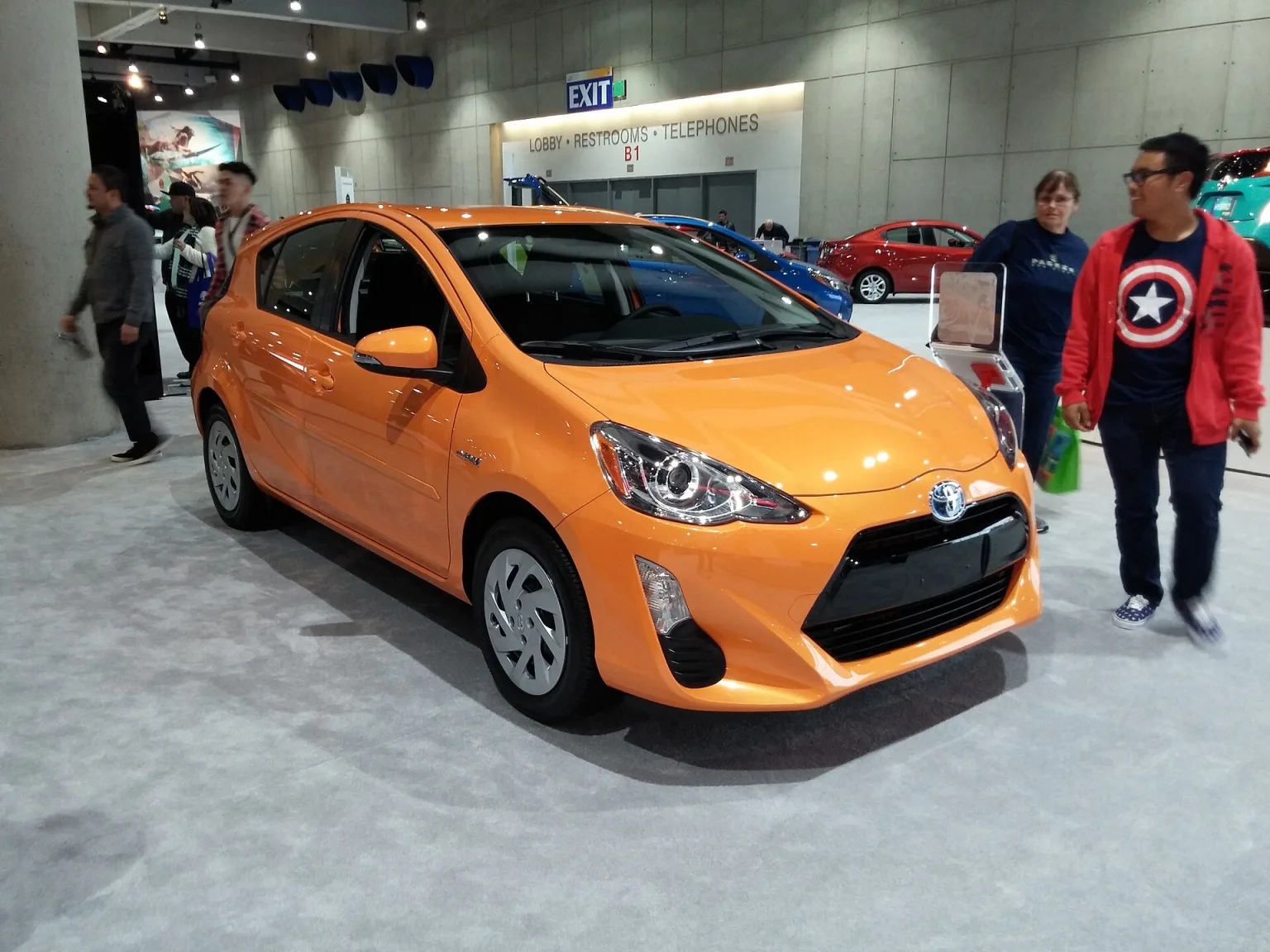
Toyota’s smallest hybrid for the US market receives standard active safety features and subtle exterior changes for the 2017 model year.
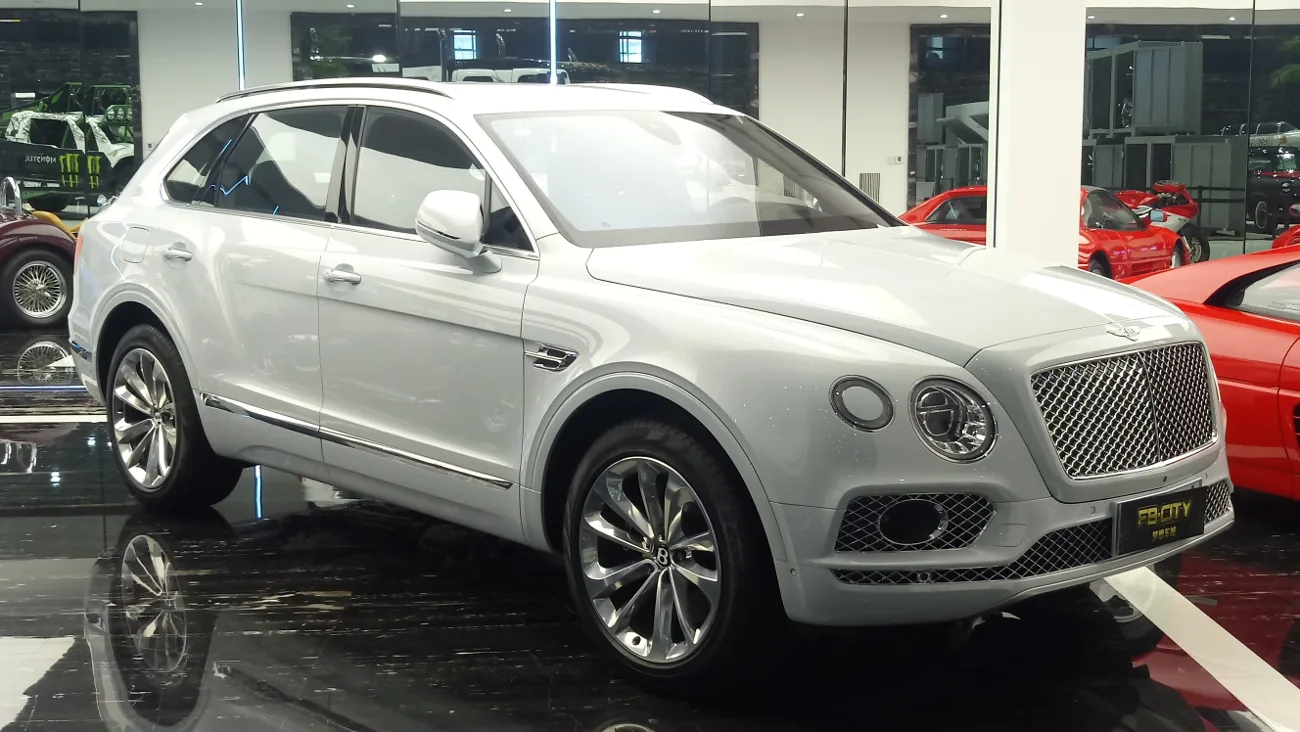
Bentley has recalled certain 2017 Bentayga SUVs in the US after discovering that seat and instrument panel bolts may not have been properly tightened during assembly.
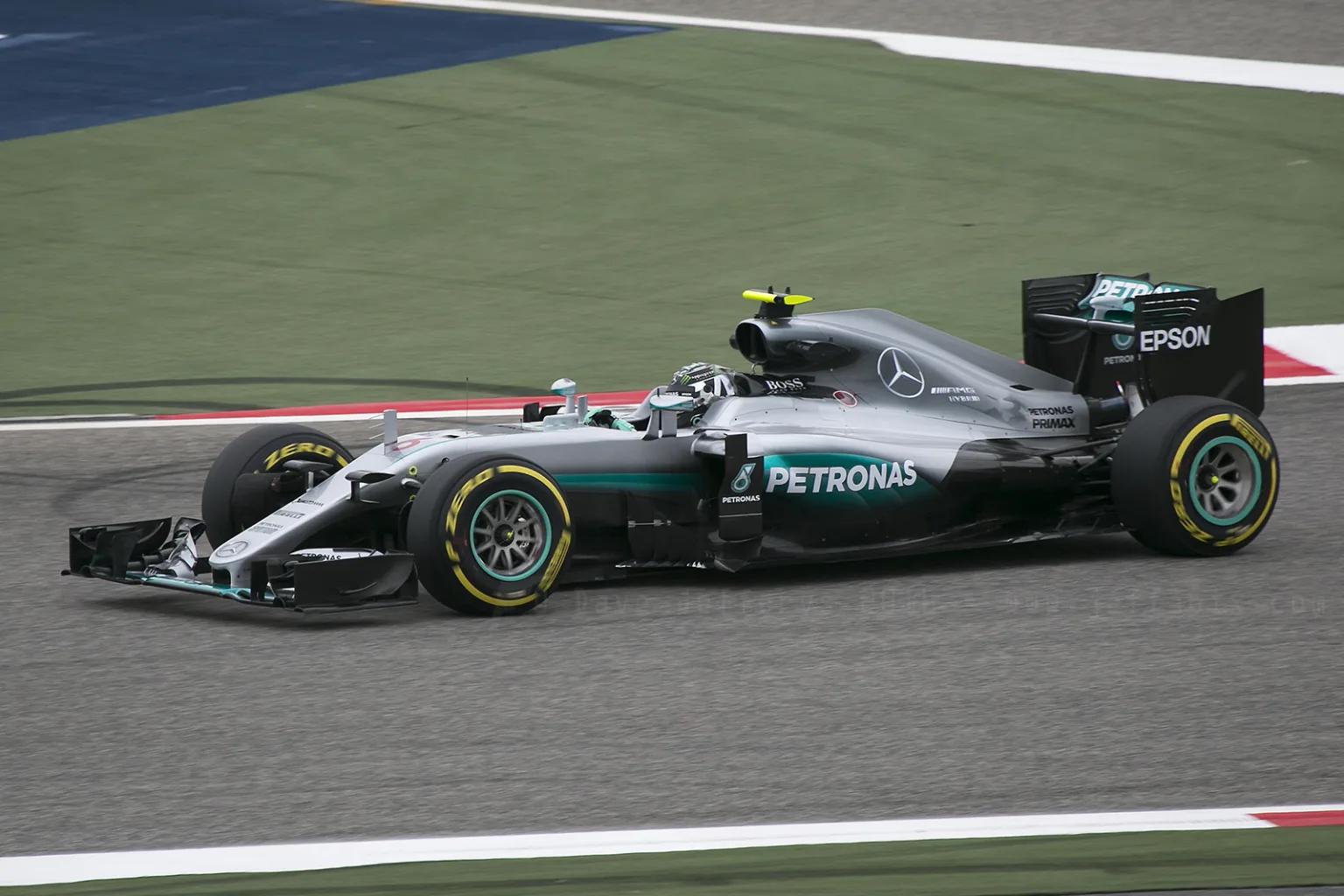
Niki Lauda urged Formula One to restore risk and spectacle by making cars faster and less controlled, while warning against artificial rule changes.
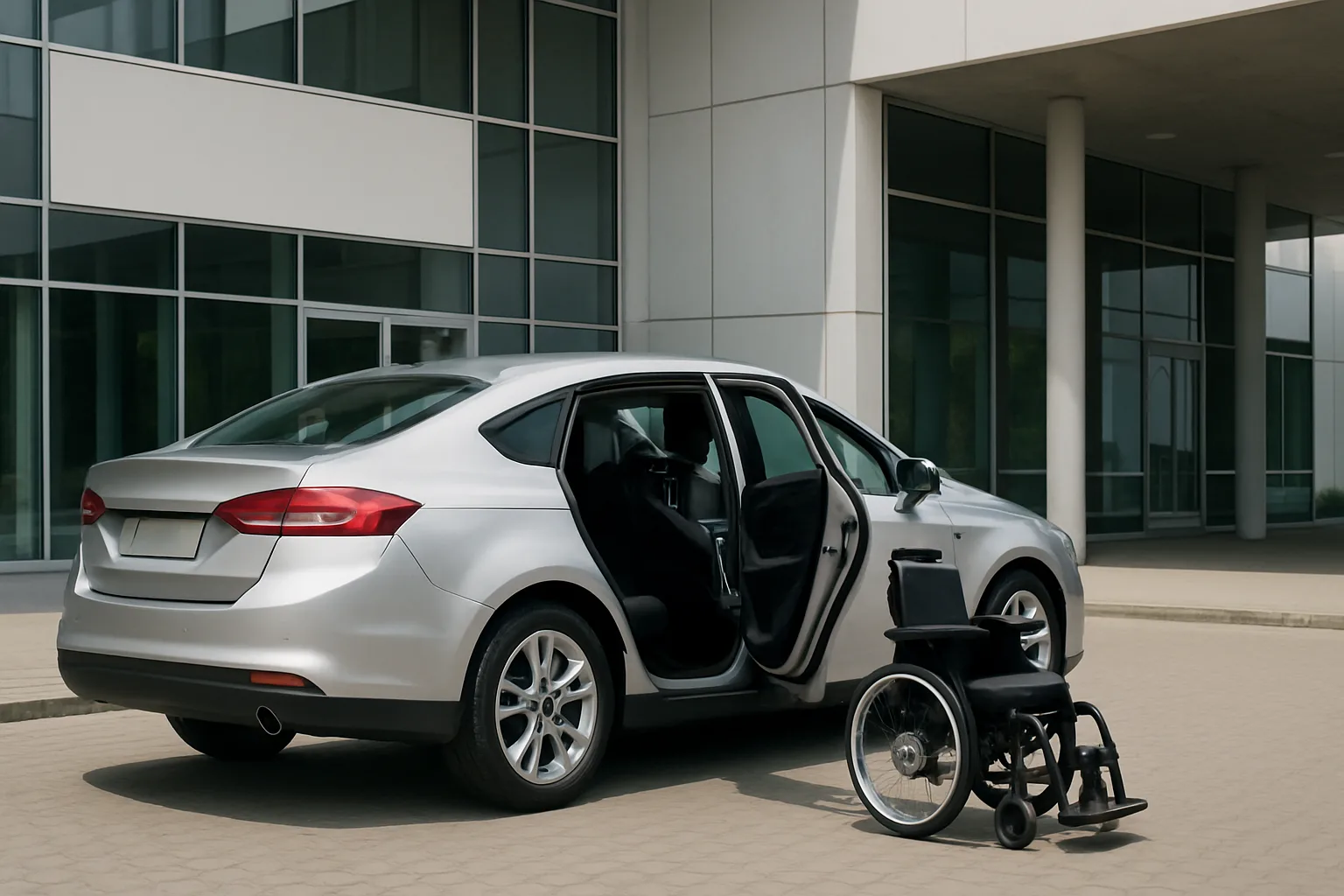
Ford has revealed a set of advanced driver assistance features and mobility innovations, including a self-loading electric wheelchair, at its European Research and Innovation Center in Aachen.
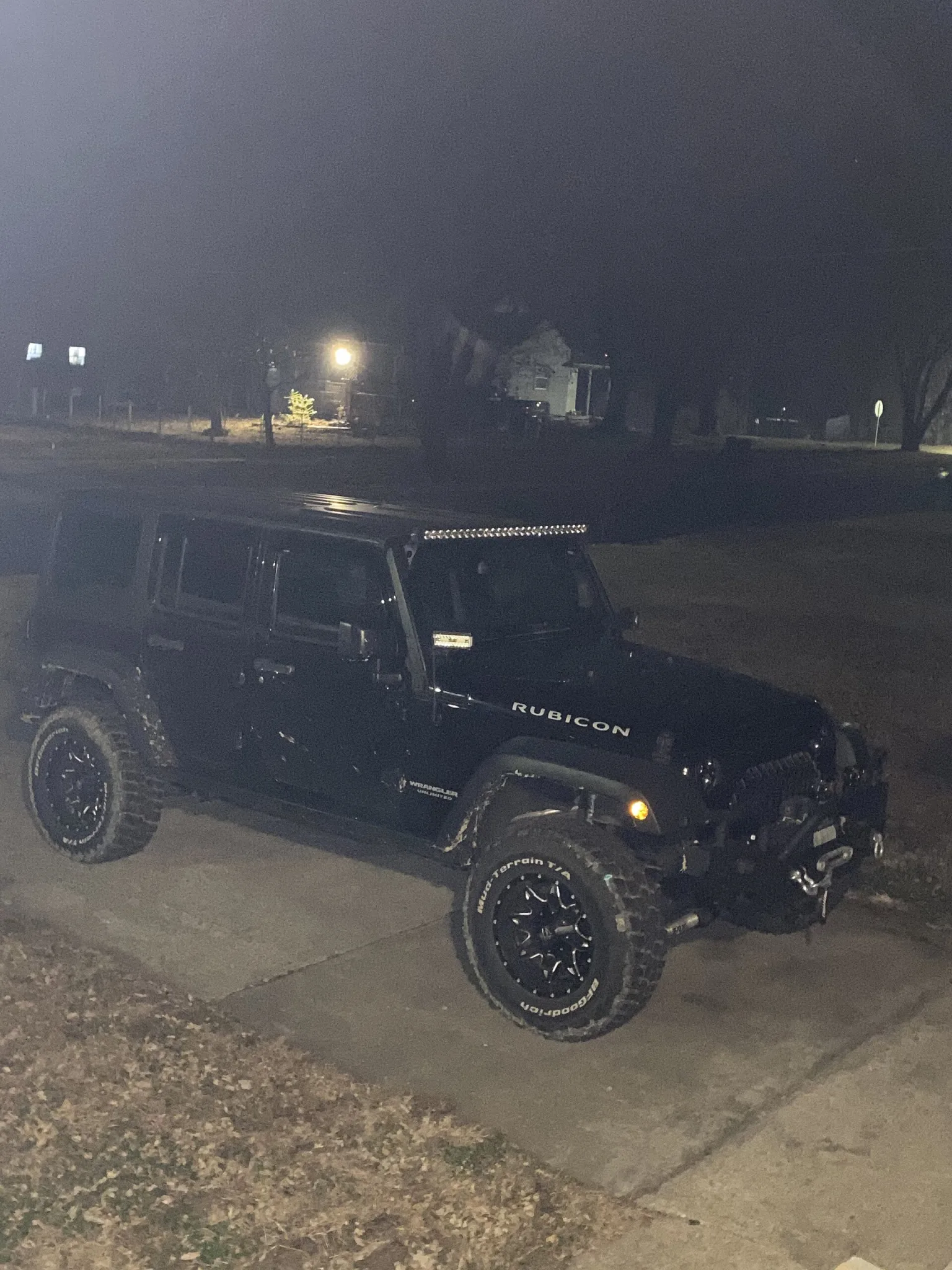
Fiat Chrysler Automobiles has issued a recall for over 182,000 Jeep Wranglers in the US due to a wiring defect that could prevent airbag and seatbelt pretensioner deployment in a crash.
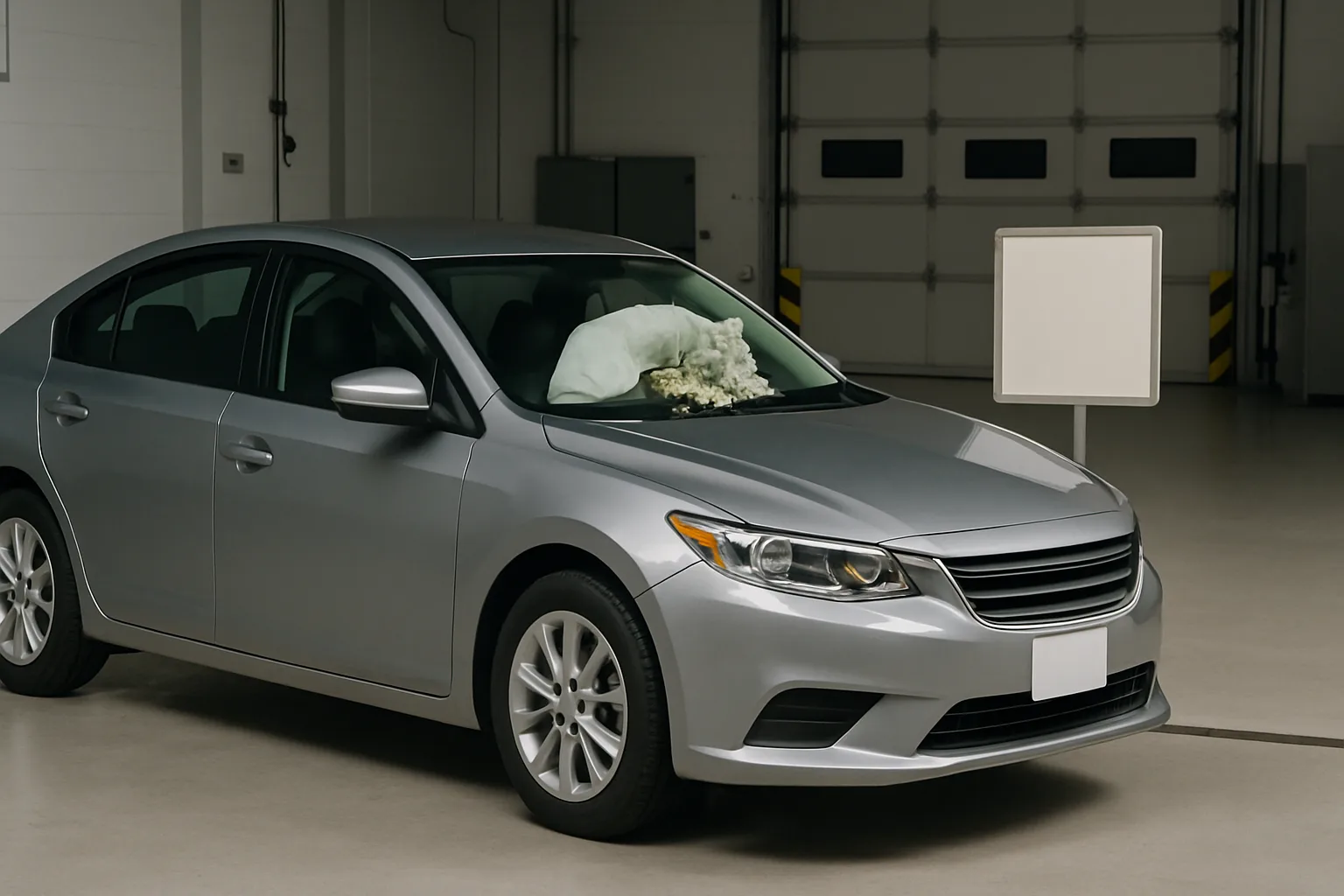
Newly released NHTSA documents show 660 Takata airbags ruptured during post-recall testing, highlighting ongoing safety risks linked to ageing ammonium nitrate inflators.
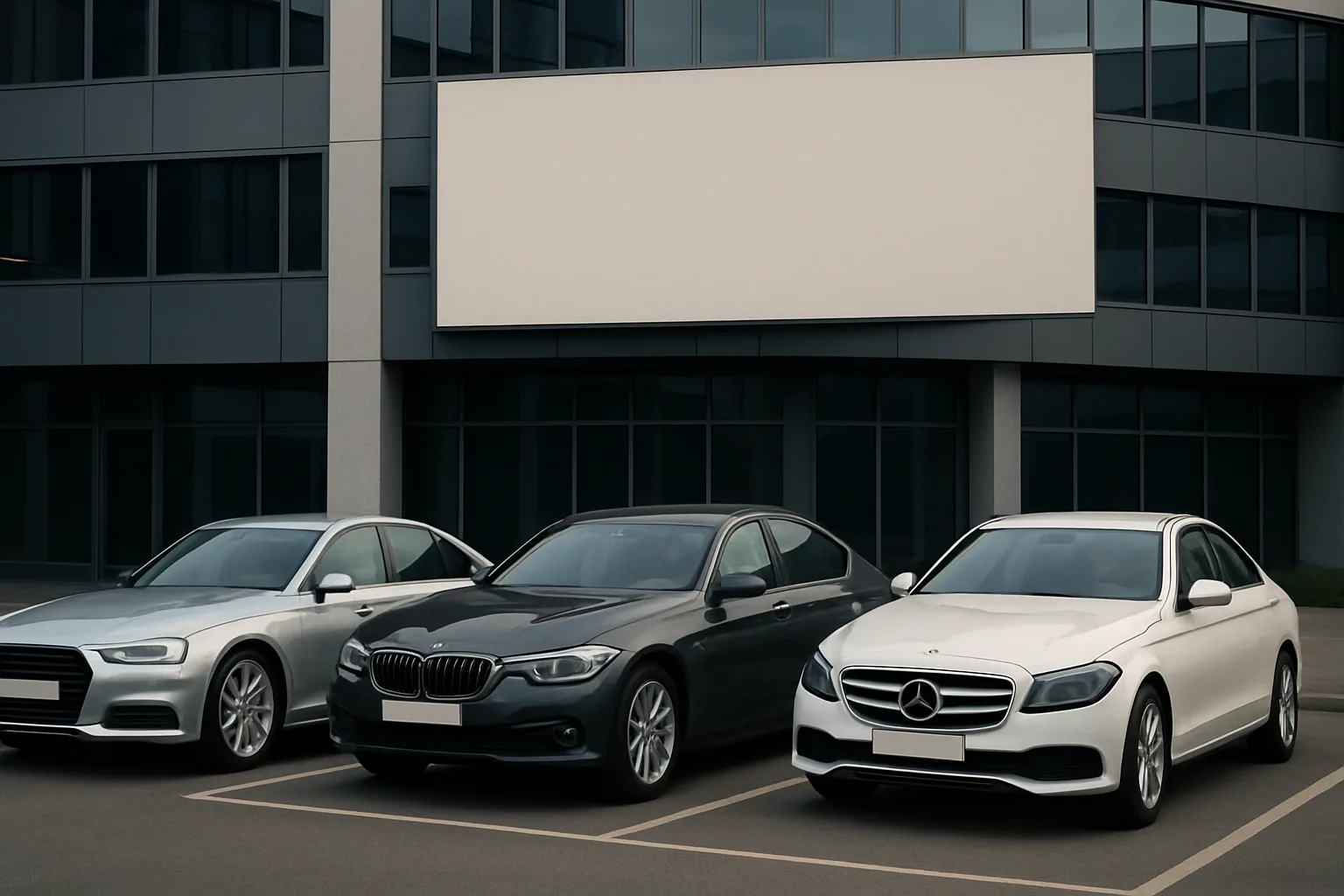
Audi, BMW and Daimler have joined telecom and tech giants to create the 5G Automotive Association, aiming to accelerate connected car standards and deployment.
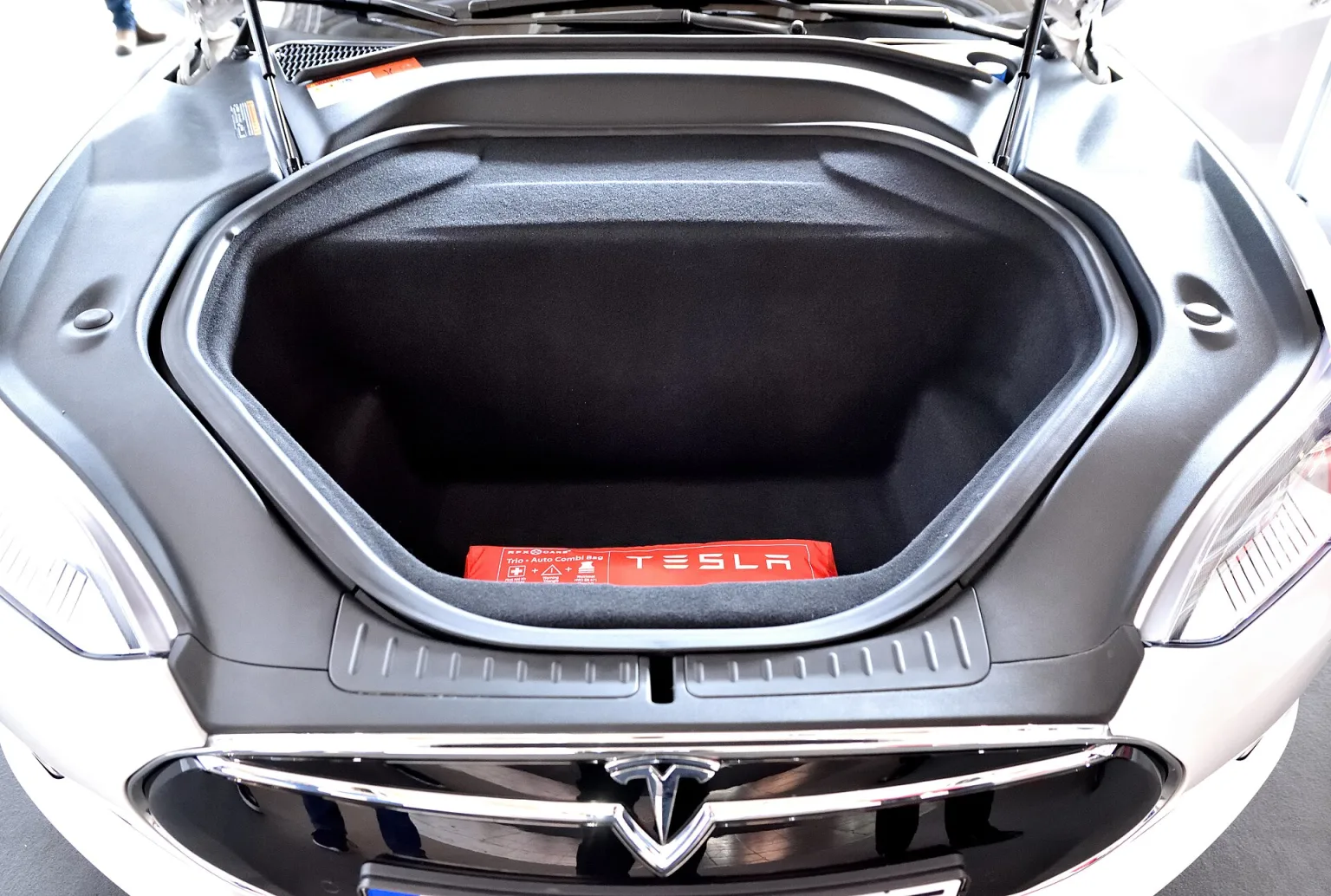
A Tesla Model S P90D caught fire during a test drive in France, with the company attributing the incident to a manually tightened electrical connection that failed.
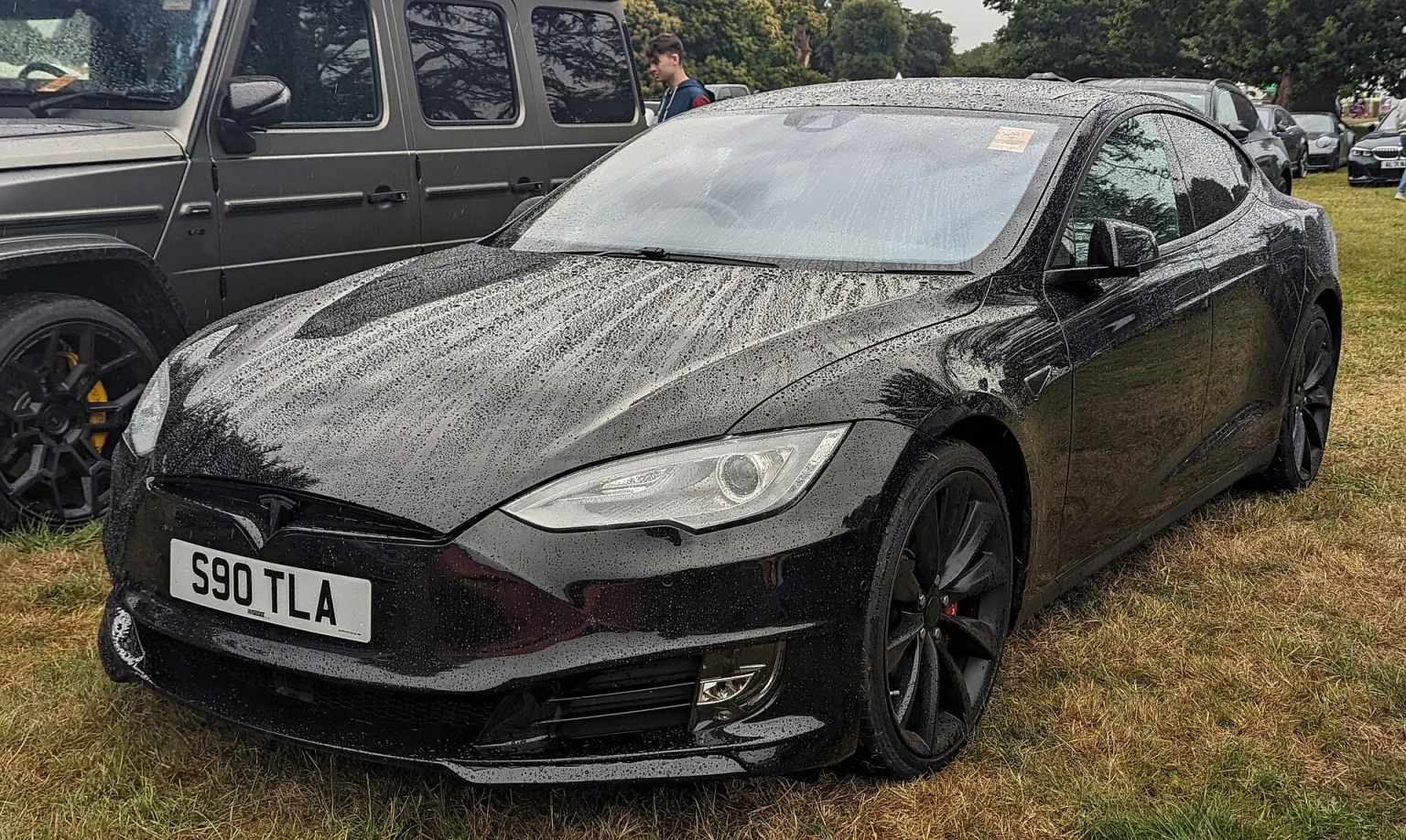
Investigators confirmed the Tesla Model S involved in the fatal Florida crash was travelling 9 mph over the speed limit with Autopilot engaged.
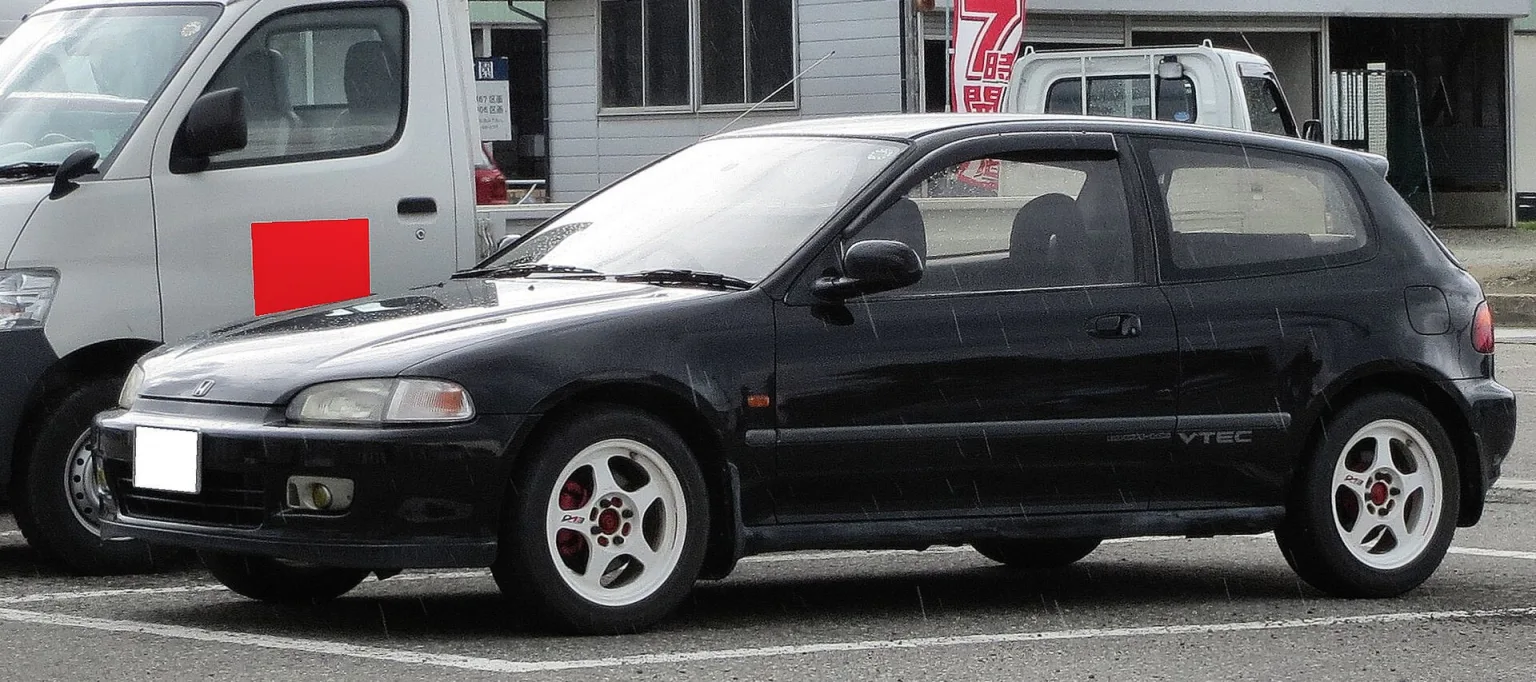
A Honda Civic EG crashed at high speed on a damp section of the Nurburgring Nordschleife, killing both occupants and injuring three others including two marshals.
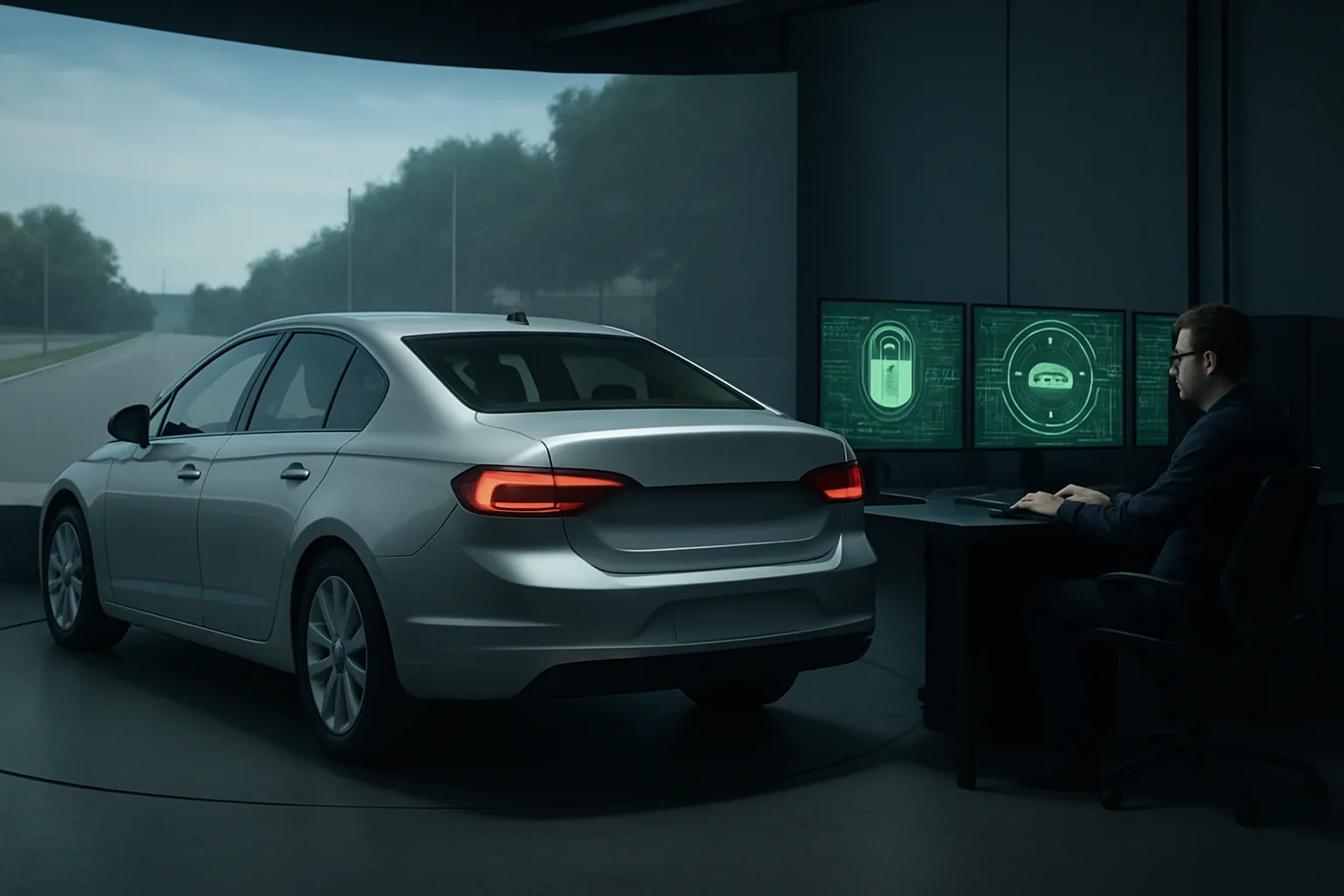
A £2.1 million simulator at the University of Warwick will let researchers test how hackers could attack autonomous and connected vehicles, and how to stop them.
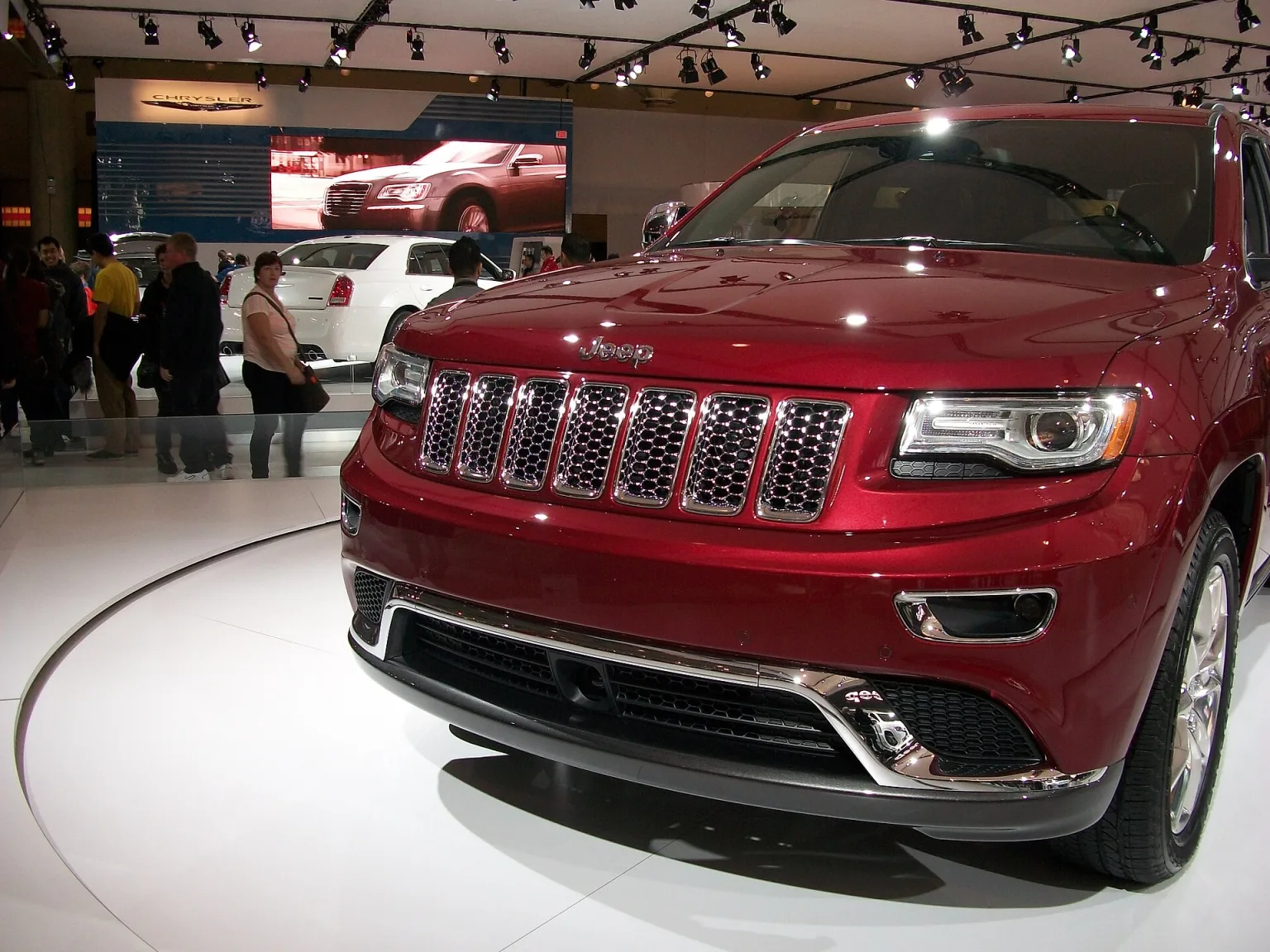
A wiring issue that can cause engine stalling has prompted Fiat Chrysler to recall nearly 410,000 vehicles worldwide, including several Jeep, Chrysler and Ram models from 2014 and 2015.
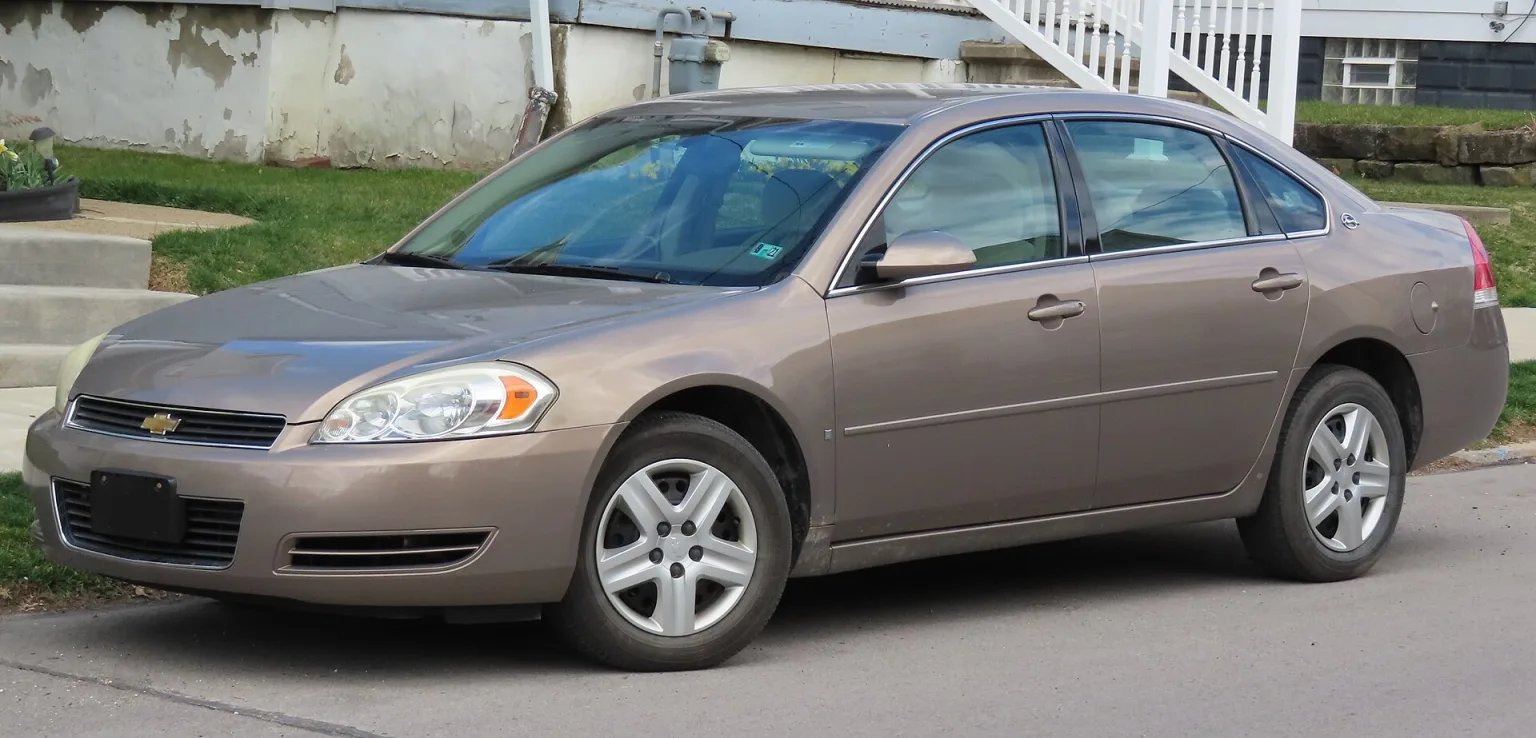
Chevrolet will recall 289,254 Impala saloons from the 2009 and 2010 model years in the US to address a passenger seat sensor issue that can disable airbag protection.
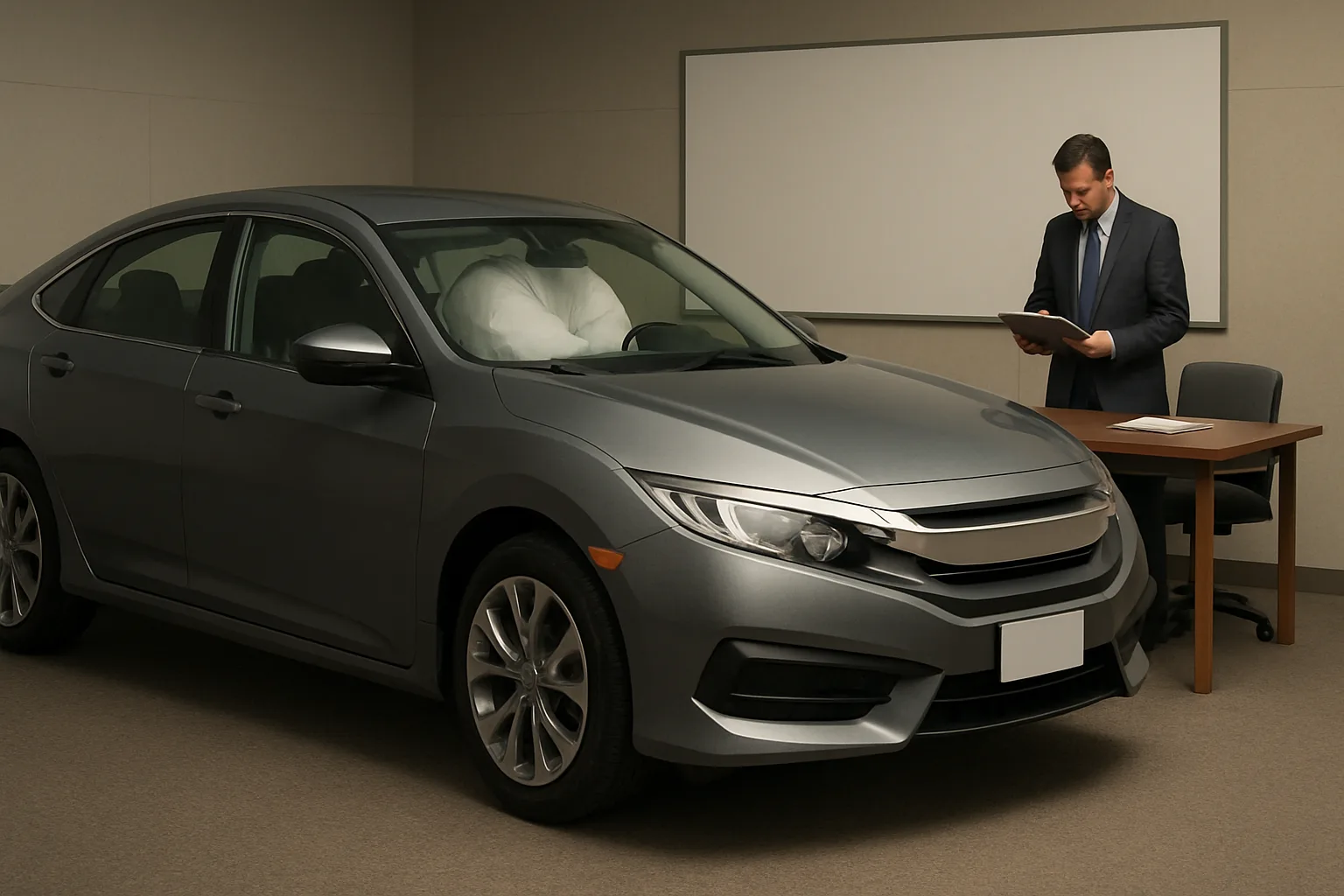
Honda's internal investigation suggests Takata engineers selectively edited airbag inflator test results, raising the prospect of further recalls and deepening the crisis for both companies.
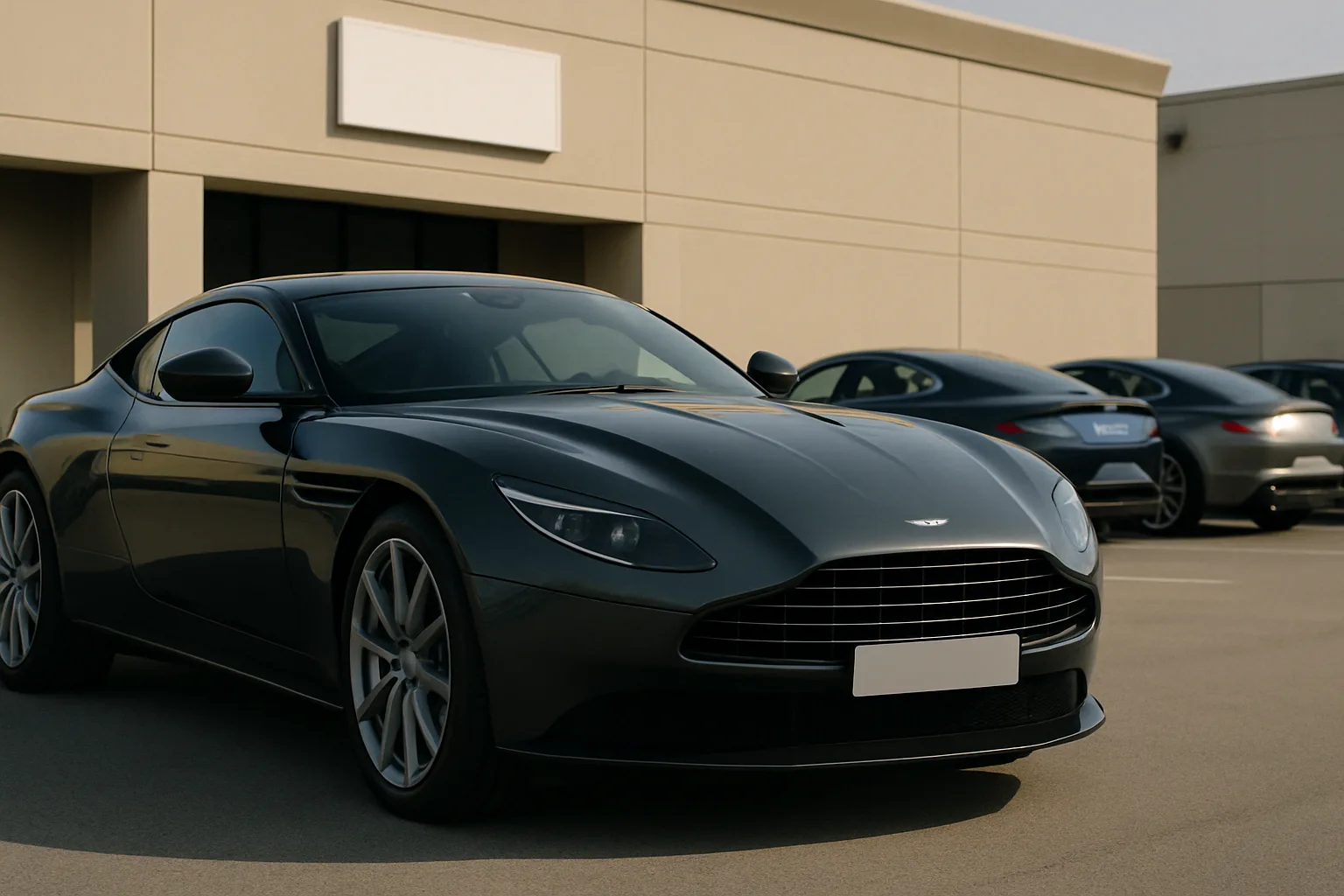
US safety regulators have ordered Aston Martin to recall 6,076 cars from 2010 to 2016 after its double-lock anti-theft system was found non-compliant with federal standards.
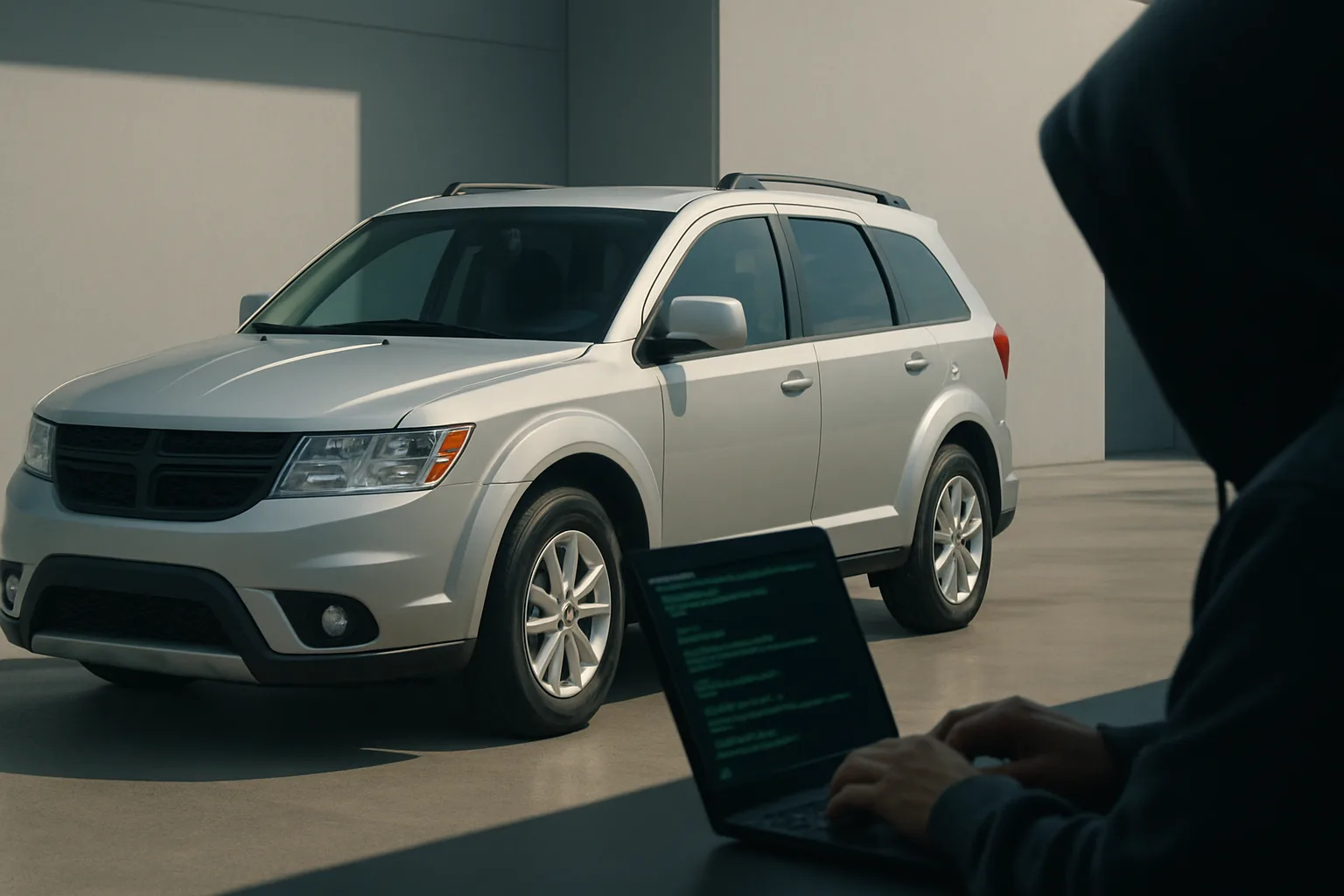
FCA launches a bug bounty programme through Bugcrowd, paying hackers between $150 and $1,500 for reporting cybersecurity flaws in its vehicles and connected services.
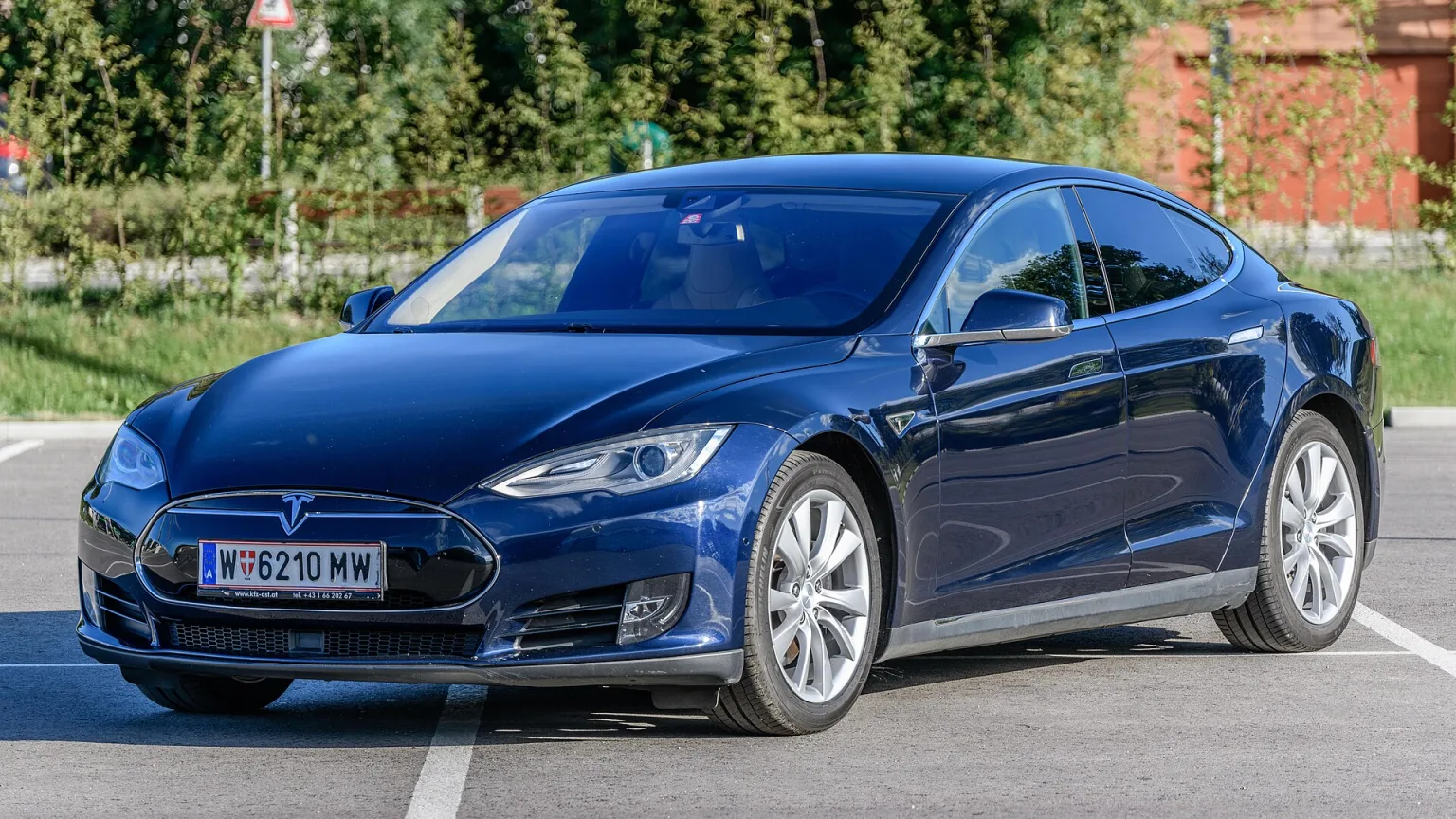
The Federal Motor Transport Authority is examining Tesla’s latest Autopilot software update after concerns were raised about its approval process in Germany.
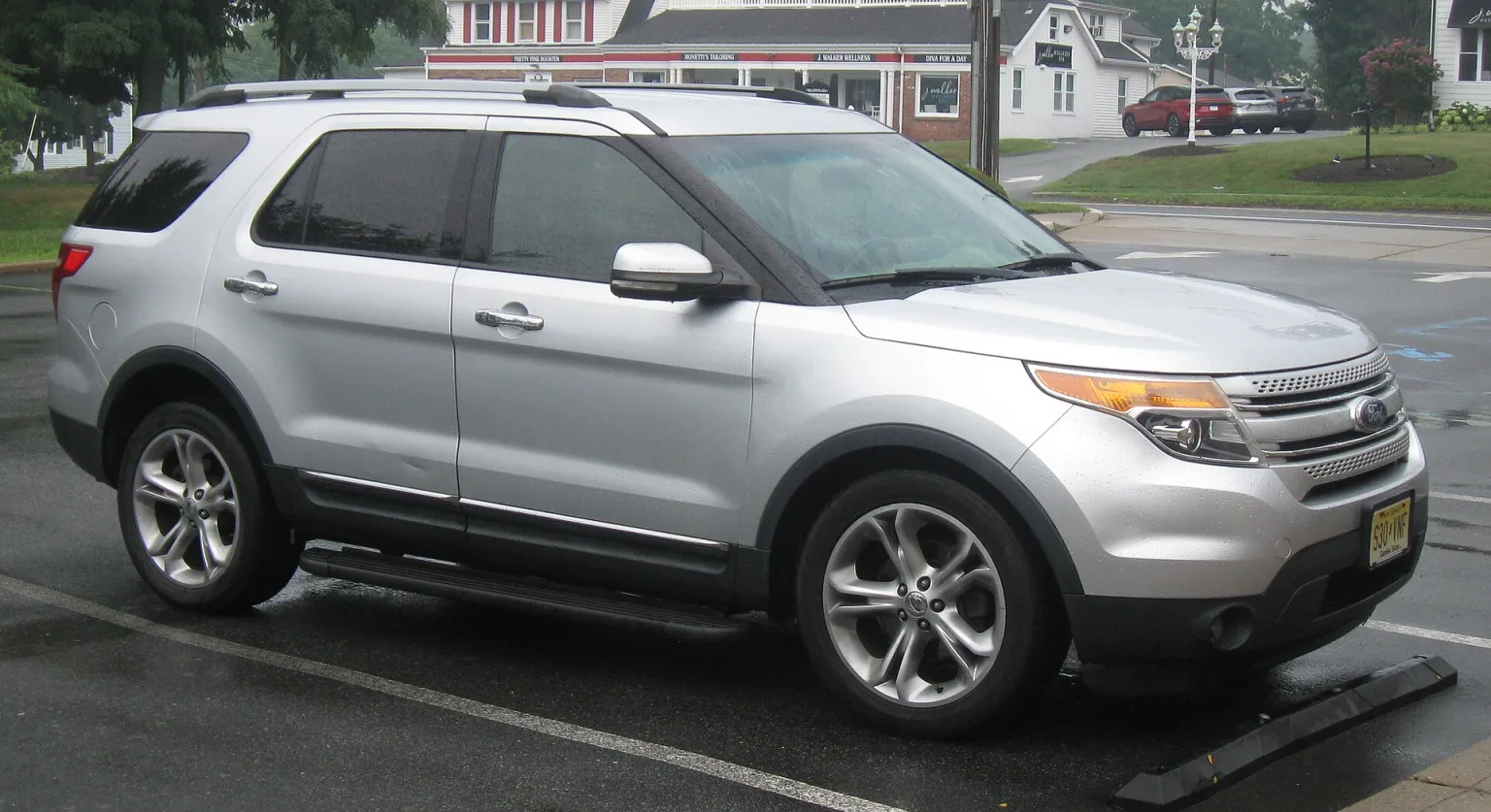
NHTSA is investigating 2011–2015 Ford Explorer SUVs after more than 150 complaints of exhaust odours inside the cabin, with concerns raised about possible carbon monoxide exposure.