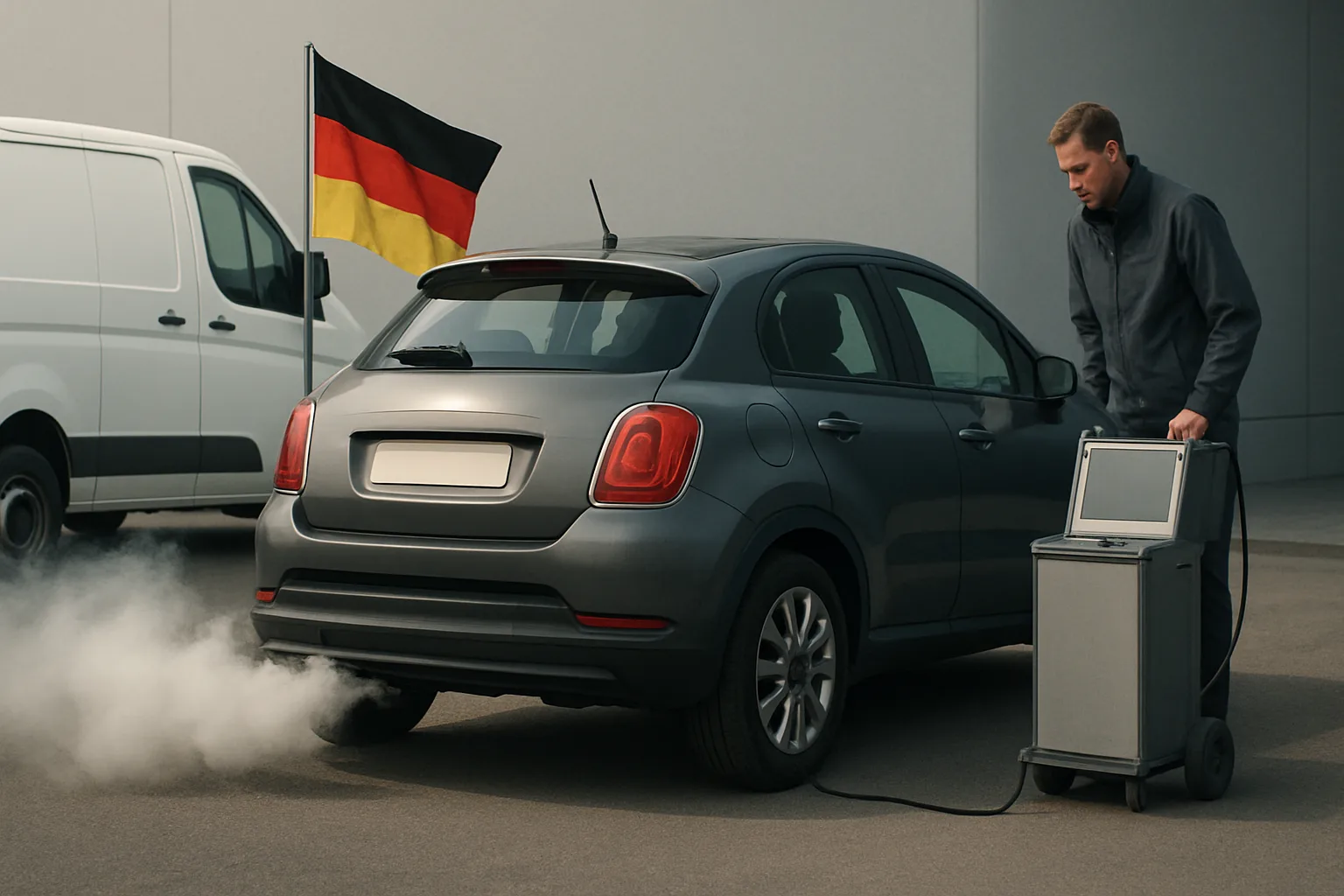
Opel Faces Lighter Scrutiny Than Fiat Chrysler Over Diesel Emissions
German authorities pressed Opel and Fiat Chrysler on diesel emissions, but Opel’s cooperation and technical justifications may spare it the penalties facing FCA.
Coverage tagged Software.
Page 2 of 5
German authorities pressed Opel and Fiat Chrysler on diesel emissions, but Opel’s cooperation and technical justifications may spare it the penalties facing FCA.
Hyundai is developing its MyHyundai app for Android Auto, aiming to offer exclusive connected services directly through the car’s infotainment system by year-end.
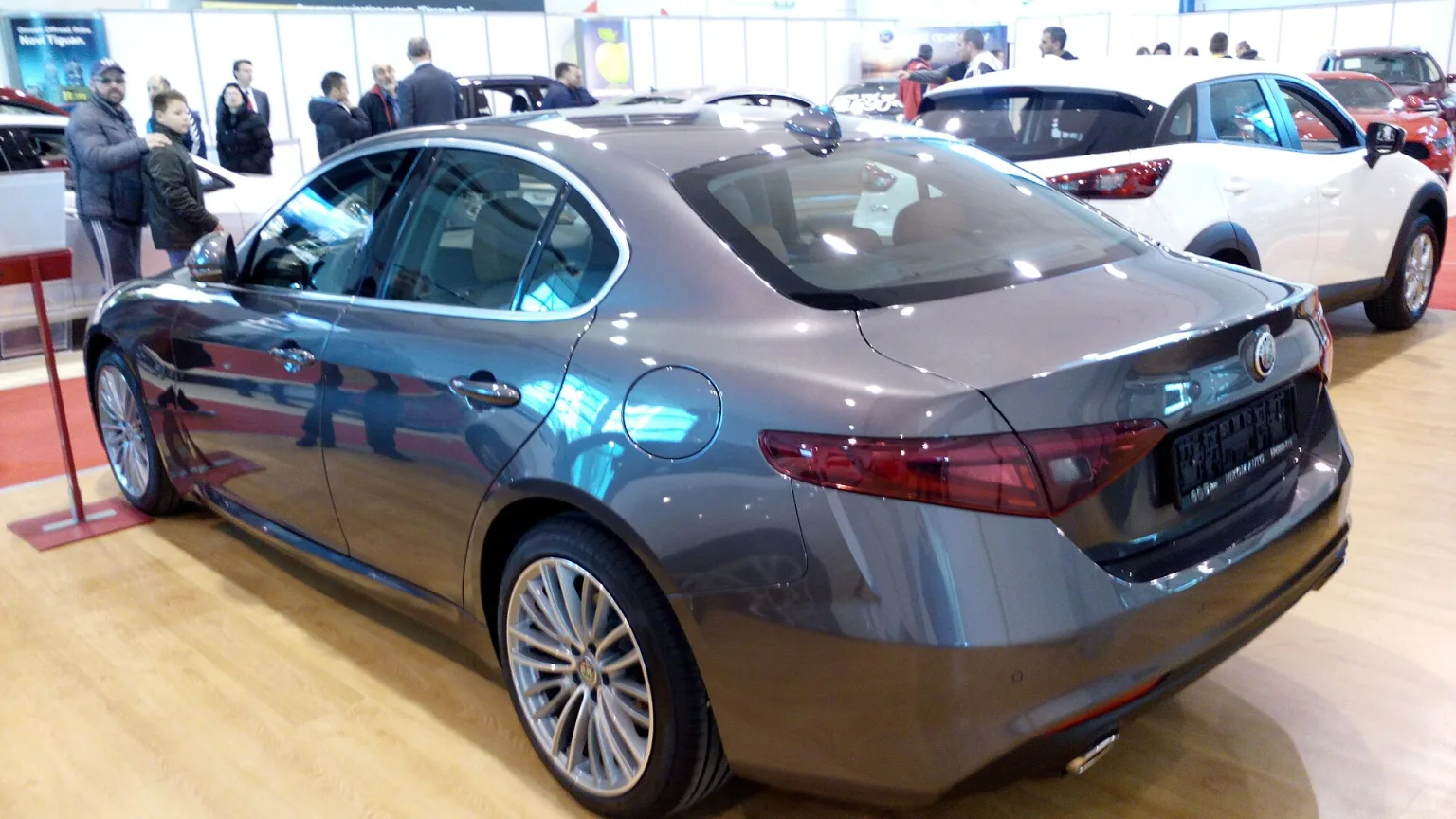
At the official launch drive for the Alfa Romeo Giulia, several press cars suffered software and electronic issues, raising concerns about reliability as the brand attempts a high-stakes relaunch.
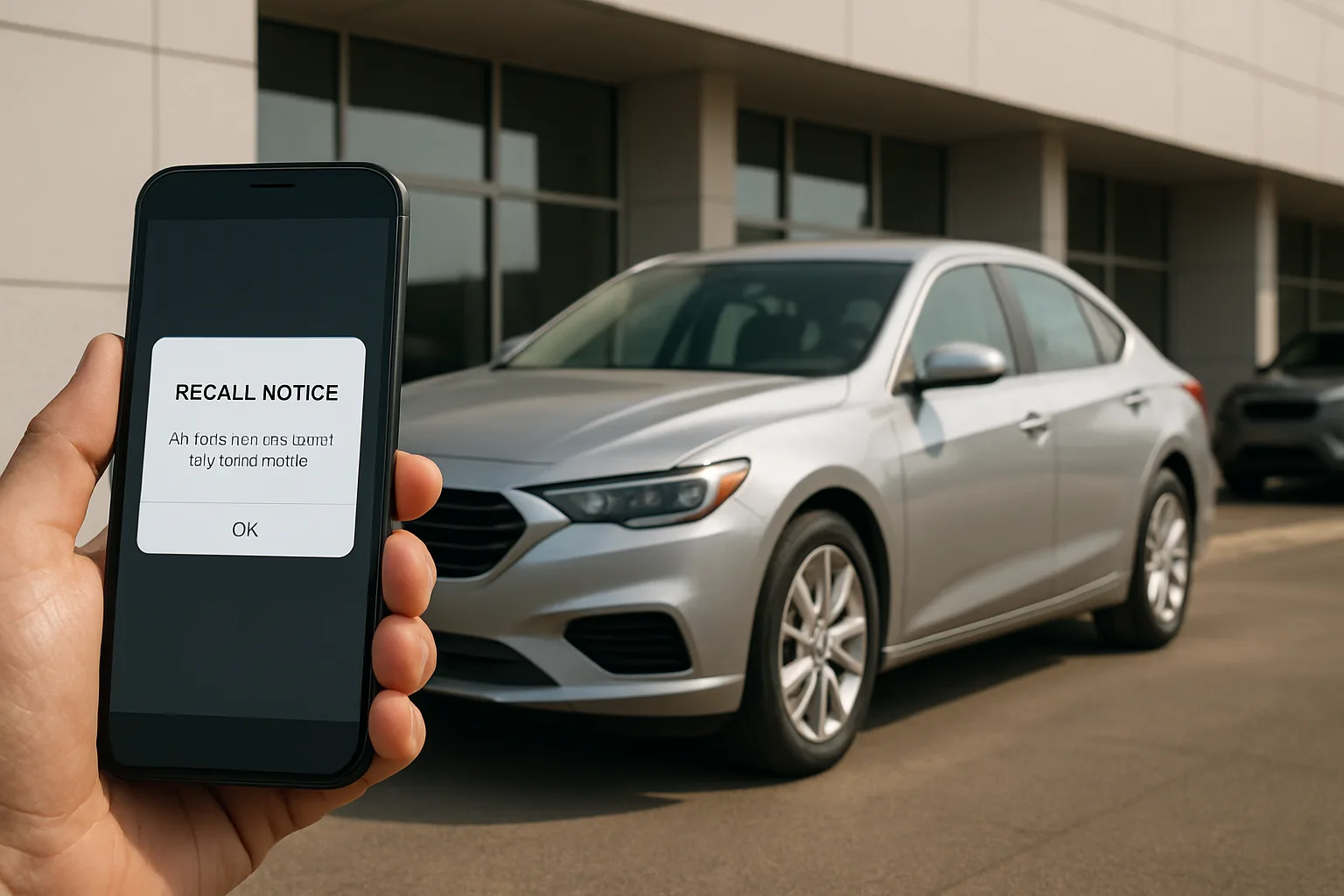
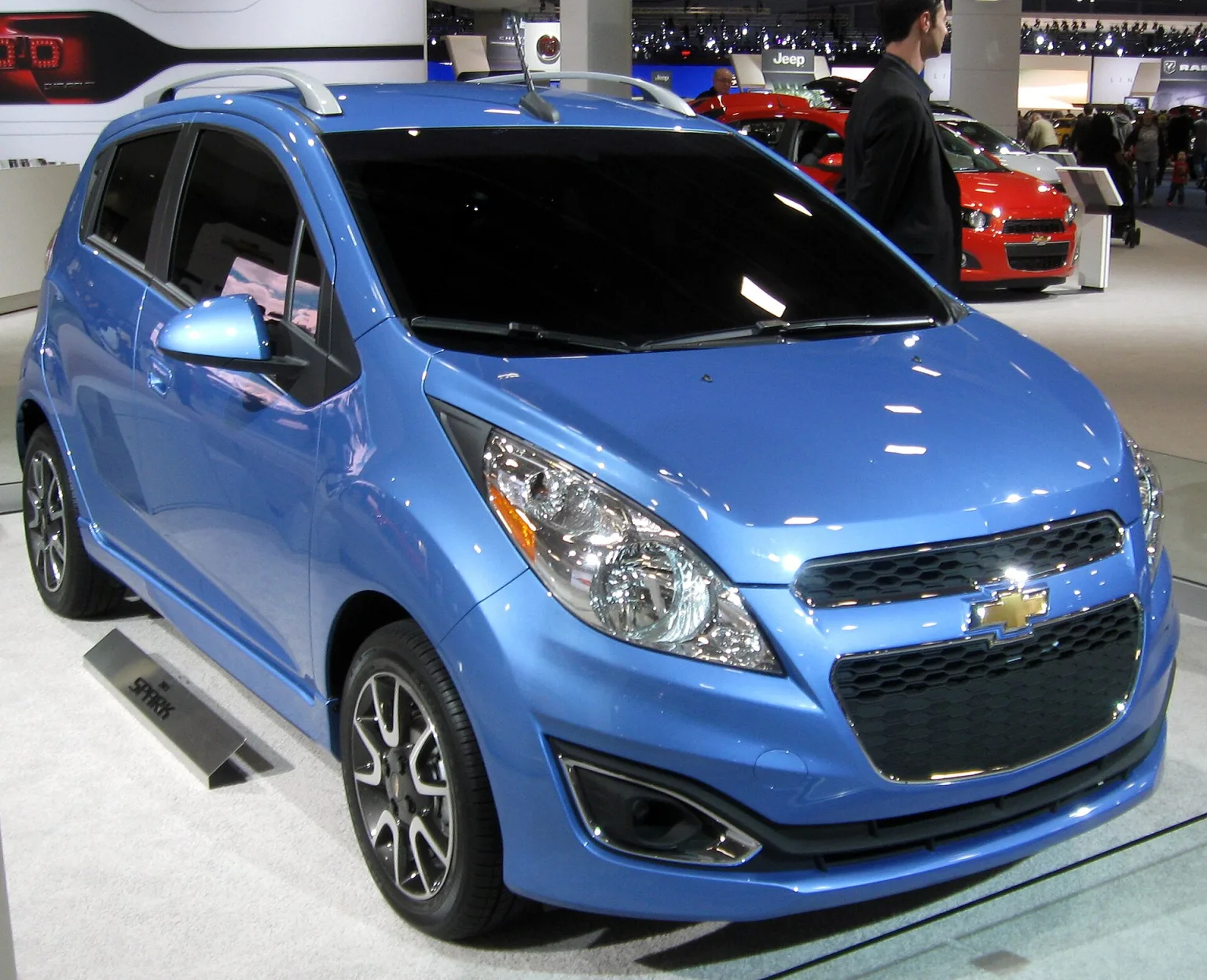
Chevrolet Spark, Sonic and Trax cars from 2013 to 2016 are being recalled to fix a radio software issue that may prevent the ignition key warning chime from sounding.
German regulators have found that a Fiat diesel model cuts its emissions controls after 22 minutes, raising questions about the use of defeat devices.
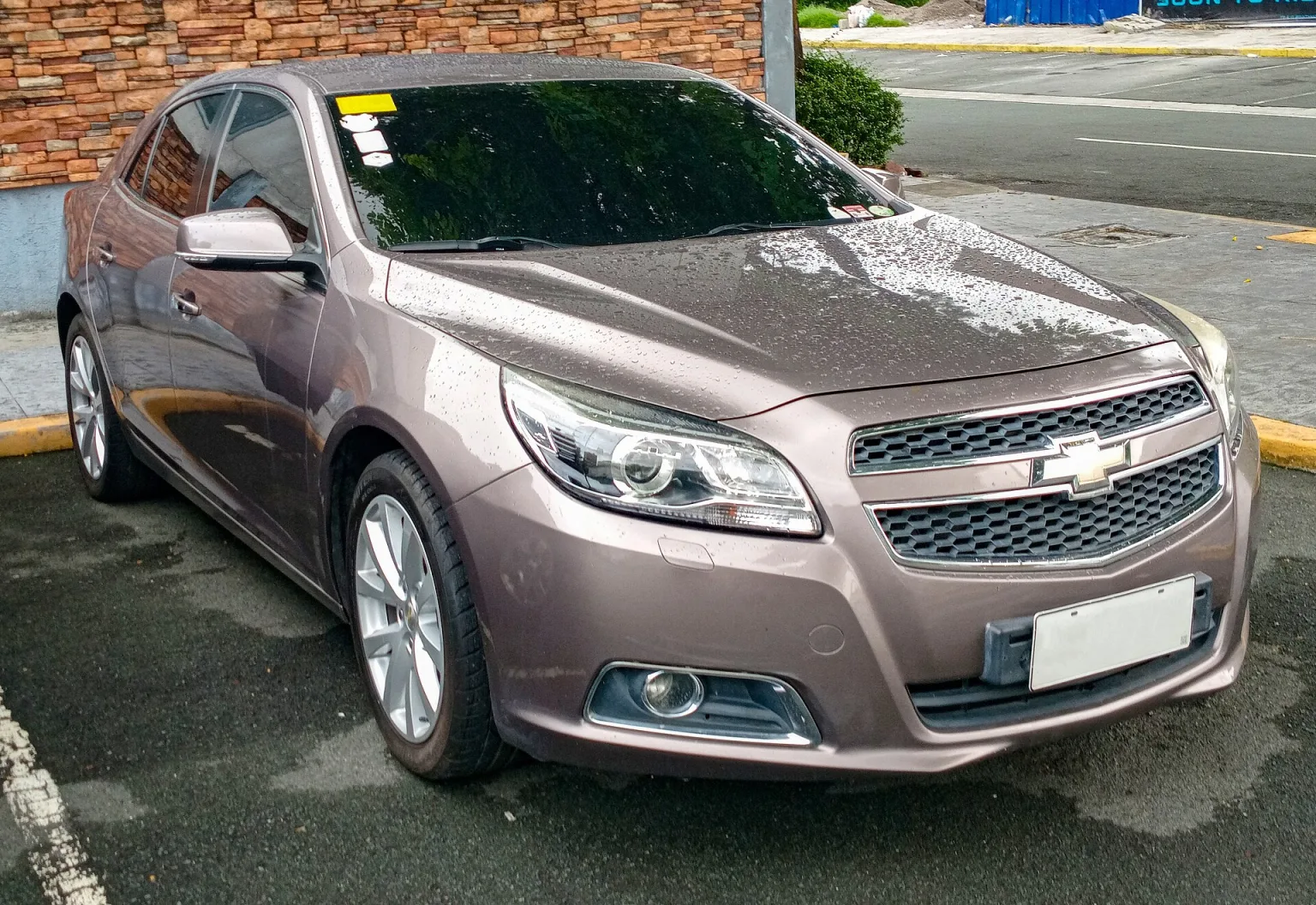
Volkswagen, Audi, Porsche, Mercedes-Benz and Opel will recall 630,000 diesel vehicles in Germany to update emissions software following findings of irregularities by the transport authority.
Future Mobility, backed by Tencent and Foxconn, has hired key former BMW i managers as it prepares to accelerate electric vehicle development in China.
Chongqing Changan Automobile has finished a six-day autonomous drive from Chongqing to Beijing, covering 1,200 miles to trial advanced driver-assistance features.
Ford’s 2017 Escape is the brand’s first in the US to offer FordPass with SYNC Connect, allowing owners to control key functions remotely via smartphone.
General Motors has bought San Francisco-based Cruise Automation, aiming to accelerate its autonomous vehicle development by integrating the startup’s technology and talent.
Daimler's Dieter Zetsche confirmed the German automaker consortium behind HERE is in talks with new investors, including Renault-Nissan and Continental, to expand the digital mapping venture.
J.D. Power’s latest dependability study finds technology-related issues now account for a fifth of all reported vehicle problems, with infotainment and connectivity systems leading the complaints.
Nissan disabled its NissanConnect EV app for the Leaf after a researcher revealed that hackers could exploit a vulnerability to control certain car functions remotely.
Seat, in partnership with Samsung and SAP, introduced a digital key and integrated parking app at Mobile World Congress 2016, aiming to expand connected car features for its users.
General Motors has bought assets from the closed ride-sharing company Sidecar for a reported $39 million, following its $500 million investment in Lyft earlier in January 2016.
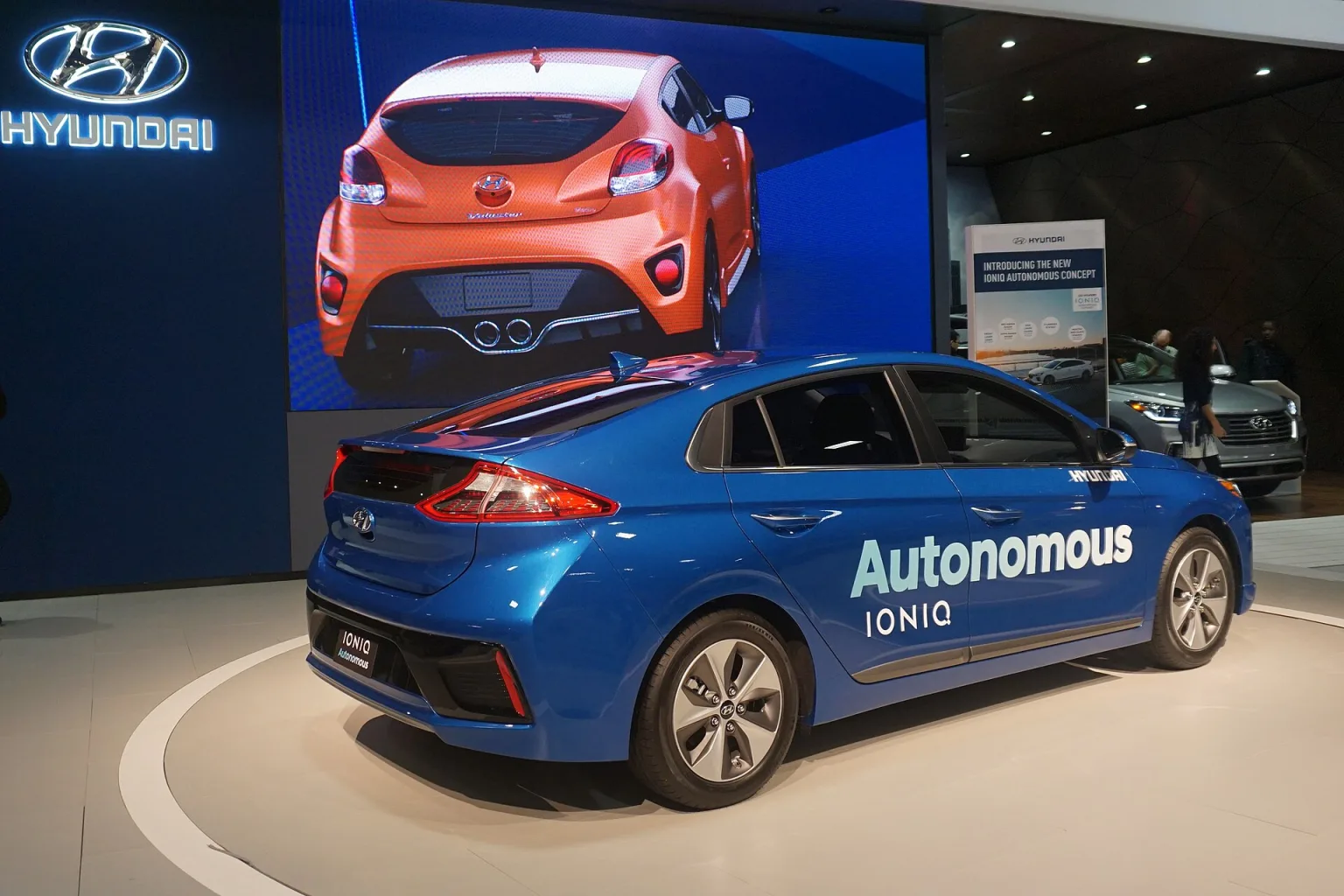
Hyundai Motor is preparing to design its own computer chips for self-driving vehicles, aiming for greater control over critical autonomous technology components.
The German carmakers have finalised their joint acquisition of Nokia’s HERE digital mapping unit, securing a key resource for future autonomous and connected vehicle technologies.
A report from IHS Automotive claims Google’s rapid progress in self-driving technology is forcing established carmakers to quicken their own autonomous vehicle programmes.
Automakers are using advanced digital prototyping and simulation tools to reduce new model development time by up to a year and save millions in prototype and testing costs.
Paramount Pictures and Leonardo DiCaprio’s Appian Way have optioned film rights to an upcoming book on Volkswagen’s diesel emissions scandal, with the project in early development.
A university study in the US uncovered Volkswagen’s use of defeat devices in diesel cars, triggering a global scandal and regulatory investigations.
Korean environment officials will test 4,000 to 5,000 Volkswagen and Audi diesel cars following the US emissions cheating revelations, with potential for a wider investigation.
Ford's electrical engineering chief says the company is unfazed by Apple and Google's push into car technology, citing ongoing partnerships and a focus on brand independence.
A Kelley Blue Book survey found nearly 80 percent of car buyers expect hacking to be a frequent problem within three years, with many willing to pay for better security.