Michelin and Bridgestone Lead 2009 Low Rolling Resistance Tyre Test
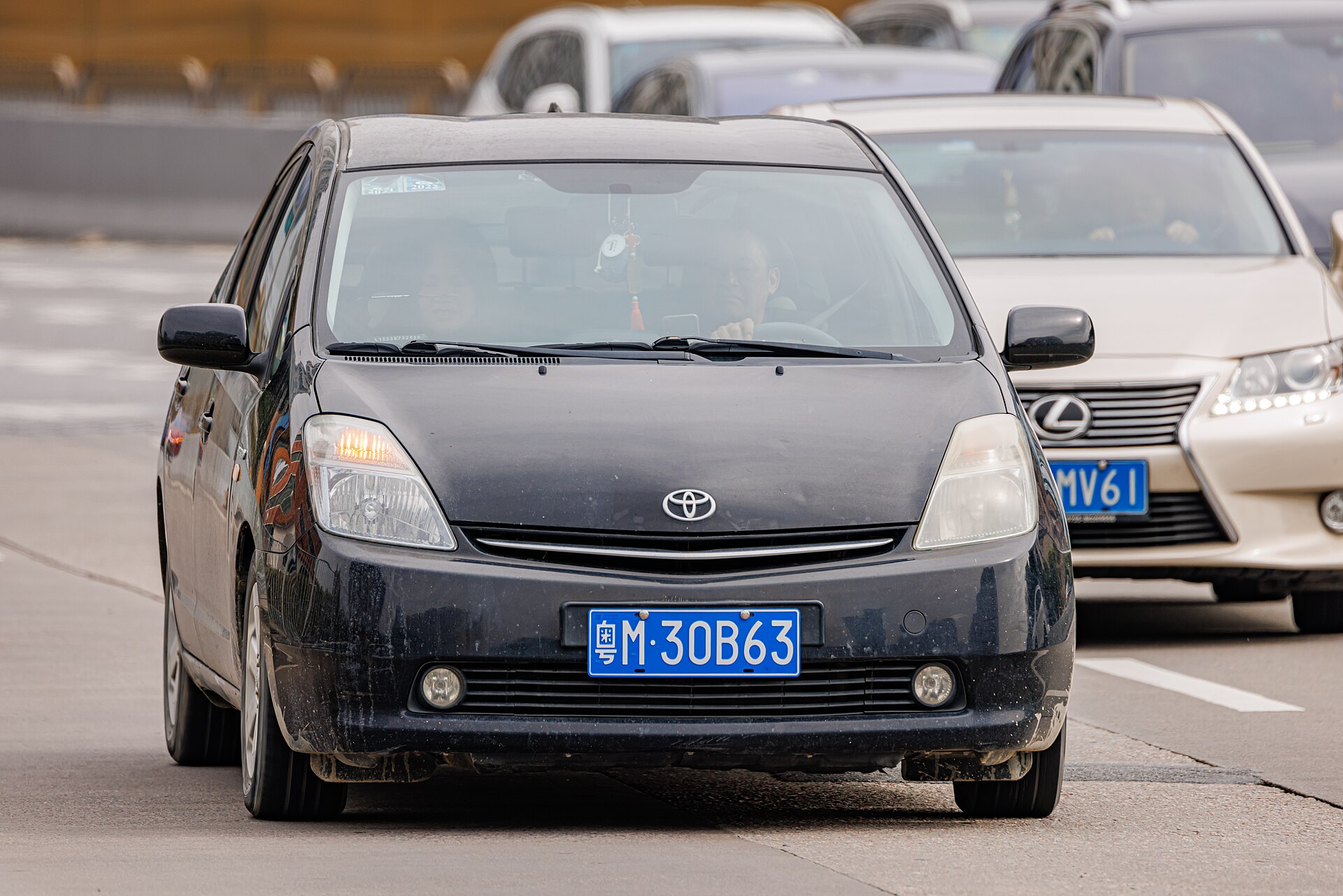
A US test of eco-focused tyres on the Toyota Prius found the Michelin Energy Saver A/S and Bridgestone Ecopia EP100 delivered the highest fuel economy gains over standard fitment.
Low rolling resistance (LRR) tyres are designed to reduce the energy lost as a tyre rolls, which can improve a vehicle’s fuel efficiency. In 2009, Tire Rack, one of America’s largest independent tyre testers, ran a comparative test to evaluate the real-world effectiveness of various LRR and standard tyres. The test aimed to determine whether these eco-focused tyres could deliver measurable savings for everyday drivers. The results provide useful insight for those considering LRR tyres for their own vehicles, particularly hybrids and fuel-efficient models.
Overview of Low Rolling Resistance Tyre Testing
Test Methodology and Baseline Tyre
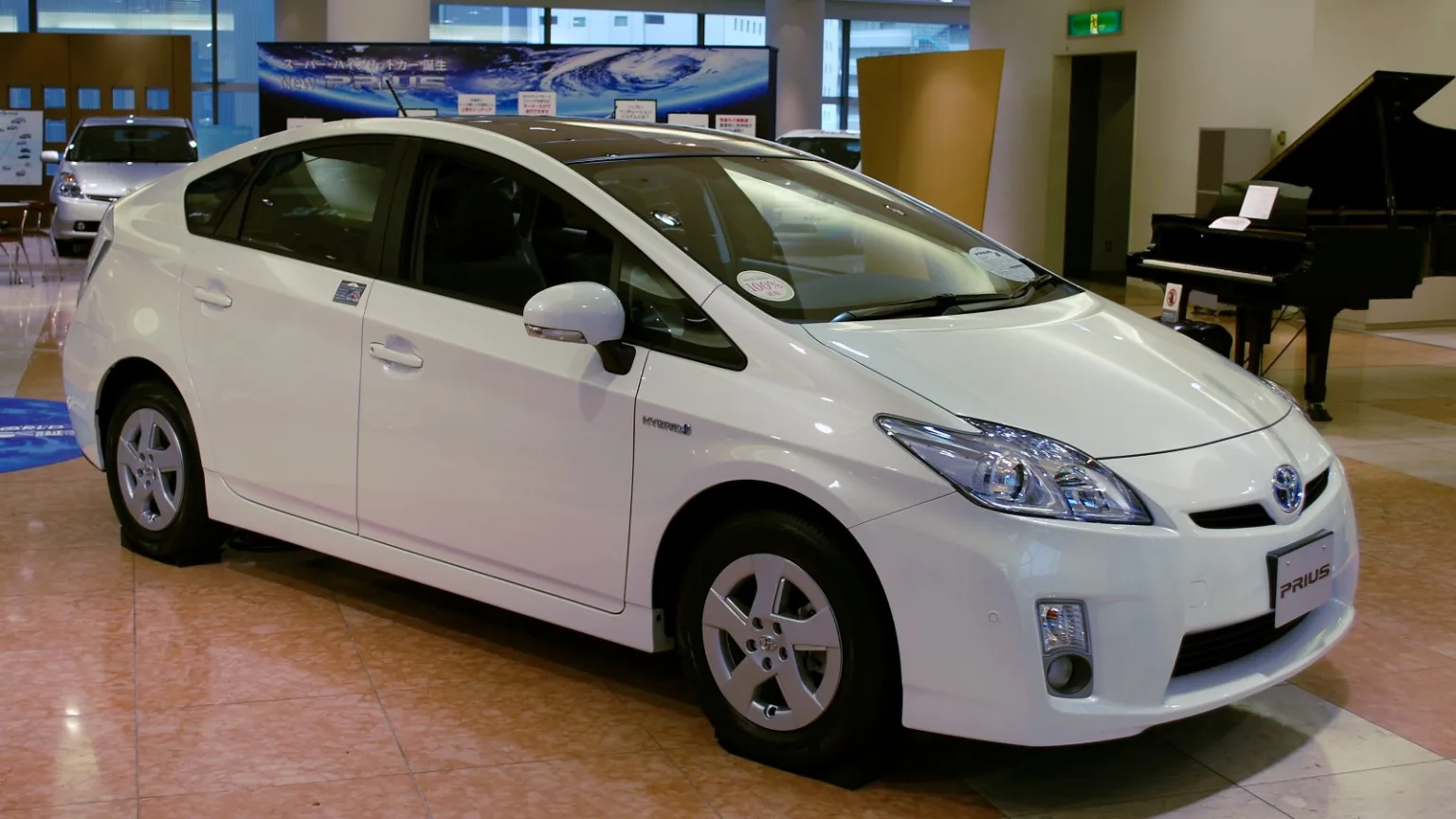
Tire Rack’s test took place at its South Bend, Indiana track, using a fleet of Toyota Prius hybrids. The Prius was chosen for its popularity among eco-conscious drivers and its sensitivity to changes in rolling resistance. The Real World Road Ride Economy Run was conducted on a 6.6-mile loop that included expressways, highways and side roads to simulate a variety of driving conditions. Each tyre model was fitted to the Prius and driven for over 550 miles to ensure consistent and reliable results.
The Goodyear Integrity all-season radial, the Prius’s standard original equipment tyre, served as the baseline for comparison. In the test, this tyre achieved an average of 51.4 miles per gallon (mpg) over the route. All other tyres were measured against this baseline to determine their impact on fuel efficiency.
LRR Tyre Test Results: Fuel Economy Comparison
| Tyre Model | Test MPG | % vs. Baseline |
|---|---|---|
| Michelin Energy Saver A/S | 53.8 | +4.74% |
| Bridgestone Ecopia EP100 | 53.5 | +4.12% |
| Yokohama dB Super E-Spec | 52.8 | +2.81% |
| Goodyear Assurance Fuel Max | 51.6 | +0.37% |
| Goodyear Integrity (Baseline) | 51.4 | — |
| Michelin HydroEdge with Green X | 51.1 | -0.59% |
| Goodyear Assurance ComforTred | 50.0 | -2.64% |
The Michelin Energy Saver A/S delivered the highest fuel efficiency in the test, returning 53.8 mpg. This represented a 4.74% improvement over the baseline Goodyear Integrity. Bridgestone’s Ecopia EP100 closely followed with 53.5 mpg, a 4.12% gain. Both tyres outperformed other LRR and standard models, including the Yokohama dB Super E-Spec and Goodyear Assurance Fuel Max.
Not all tyres marketed as eco-friendly delivered significant gains. The Yokohama dB Super E-Spec provided a moderate 2.81% improvement, while the Goodyear Assurance Fuel Max showed only a marginal 0.37% increase. The Michelin HydroEdge with Green X and Goodyear Assurance ComforTred actually returned lower fuel economy than the standard Goodyear Integrity, with drops of 0.59% and 2.64% respectively.
Practical Impact for Drivers
For drivers of hybrids and other fuel-efficient vehicles, the test results highlight the importance of tyre selection. Choosing the right LRR tyre can yield real-world savings at the pump. For example, switching from the Goodyear Integrity to the Michelin Energy Saver A/S improved fuel economy by nearly 2.5 mpg in Tire Rack’s test. Over the course of a year, this could translate to meaningful savings, especially for high-mileage drivers.
However, the test also shows that not every tyre marketed as eco-friendly delivers a benefit. Some models, such as the Michelin HydroEdge with Green X and Goodyear Assurance ComforTred, performed worse than the standard tyre. This underlines the value of consulting independent test data rather than relying solely on marketing claims or product labels.
Factors Affecting LRR Tyre Performance
Several factors can influence the effectiveness of LRR tyres. Tyre construction, tread pattern, and rubber compounds all play a role in determining rolling resistance and, by extension, fuel economy. Additionally, real-world conditions such as driving style, vehicle type, and road surfaces can affect the degree of benefit achieved. While the Prius is particularly responsive to changes in rolling resistance, other vehicles may see different results.
It is also important to note that while LRR tyres can improve fuel efficiency, they may have trade-offs in other areas such as traction, ride comfort, or tyre lifespan. Drivers should consider their individual driving needs and priorities when selecting a tyre.
Summary: Choosing the Best LRR Tyre
The 2009 Tire Rack test demonstrated that certain LRR tyres, particularly the Michelin Energy Saver A/S and Bridgestone Ecopia EP100, can deliver measurable improvements in fuel efficiency for hybrid vehicles like the Toyota Prius. However, not all eco-marketed tyres performed equally well, and some offered little or no benefit over standard models. For drivers seeking to maximise their vehicle’s efficiency, consulting independent, real-world test data remains the best way to make an informed tyre choice.