Toyota sets 2050 goal to slash combustion engine emissions
Toyota targets a 90% reduction in average vehicle emissions by 2050, shifting focus to hybrids, plug-in hybrids and fuel cells while a US think tank pushes for battery-powered autonomy.
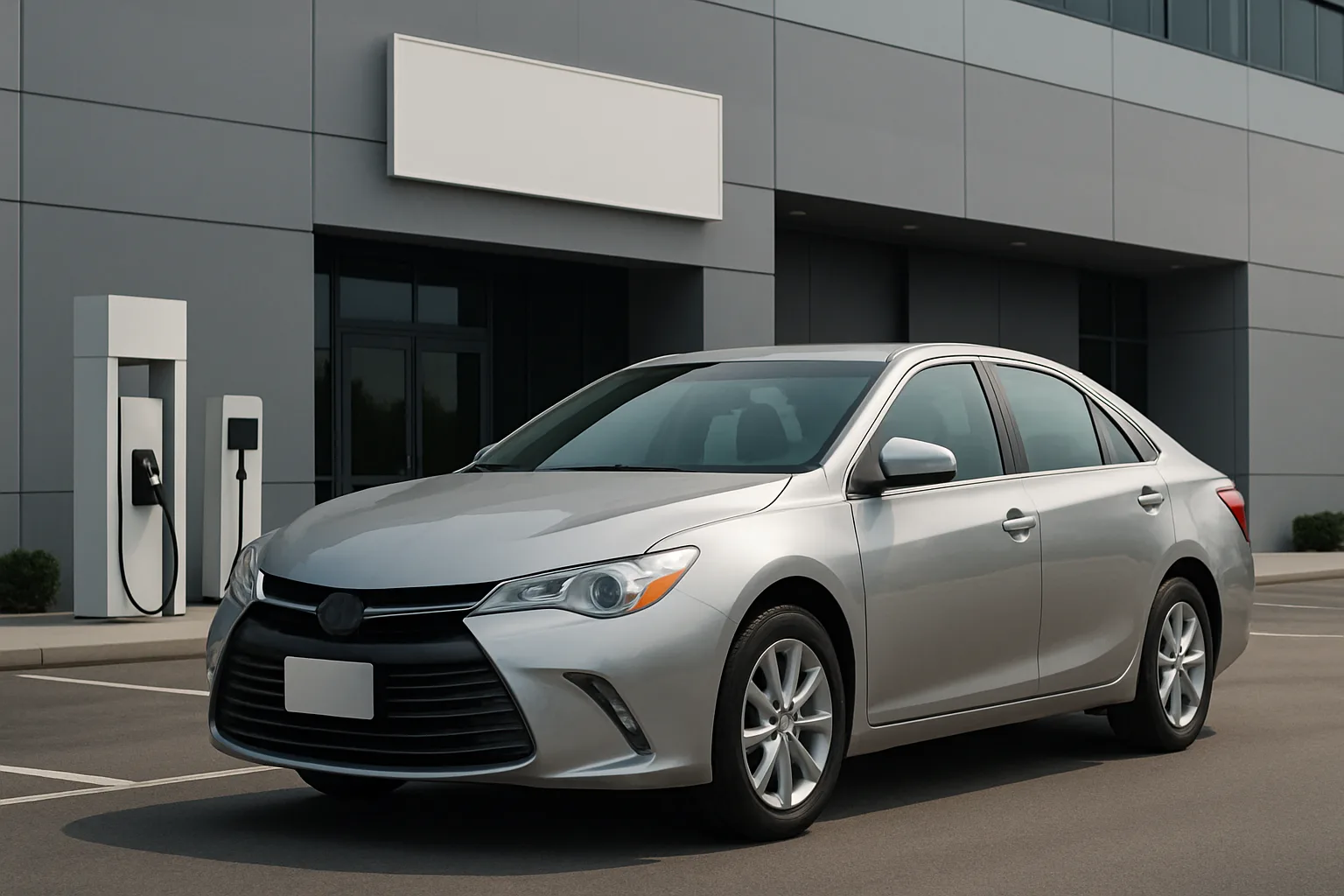
Toyota has committed to reducing the average emissions of its new vehicles by 90 percent by 2050, signalling a move away from traditional petrol-only engines in favour of hybrids, plug-in hybrids and hydrogen fuel cell vehicles.
The Japanese manufacturer announced the target as part of its long-term environmental strategy, with senior managing officer Kiyotaka Ise describing the vision of eliminating all combustion engines from its line-up as extraordinary for a major automaker. The plan, first outlined in 2010 and reaffirmed in 2015, puts Toyota among the most ambitious of the established carmakers in terms of emissions reduction.
Toyota's strategy rests on the expansion of hybrid, plug-in hybrid and fuel cell models, with pure petrol engines expected to make up only a small minority of its range by mid-century. The company has not set a fixed date for the complete phase-out of internal combustion engines, but the 2050 target makes clear that future Toyota models will be dominated by alternative powertrains.
US think tank pushes battery and autonomy
Coinciding with Toyota's announcement, a US nonpartisan group focused on reducing oil dependence launched an Autonomous Vehicle Task Force. The group aims to accelerate the adoption of battery-powered, self-driving vehicles and to work with regulators on the legal frameworks needed for their deployment. The move reflects a broader shift in the US towards electrification and automation, particularly in the wake of the Volkswagen diesel emissions scandal.
Emissions pressure and global context
Toyota's 2050 goal comes as governments worldwide tighten emissions standards and promote cleaner technologies. China's government has pledged further support for new energy vehicles and promised to act against attempts to slow green technology development. The United Nations Climate Change Conference in Paris, held shortly after these announcements, placed additional pressure on manufacturers to demonstrate credible long-term plans.
For buyers, Toyota's shift means a growing choice of electrified vehicles and fewer pure petrol models over the next decades. For the industry, the combined push from carmakers, regulators and independent groups signals that the demise of the internal combustion engine is now a matter of policy and investment, not just speculation.