Toyota develops hybrid motor design to cut rare earth use
Toyota engineers have advanced research on an induction motor for hybrids, aiming to reduce reliance on neodymium and dysprosium as prices surge and supply tightens.
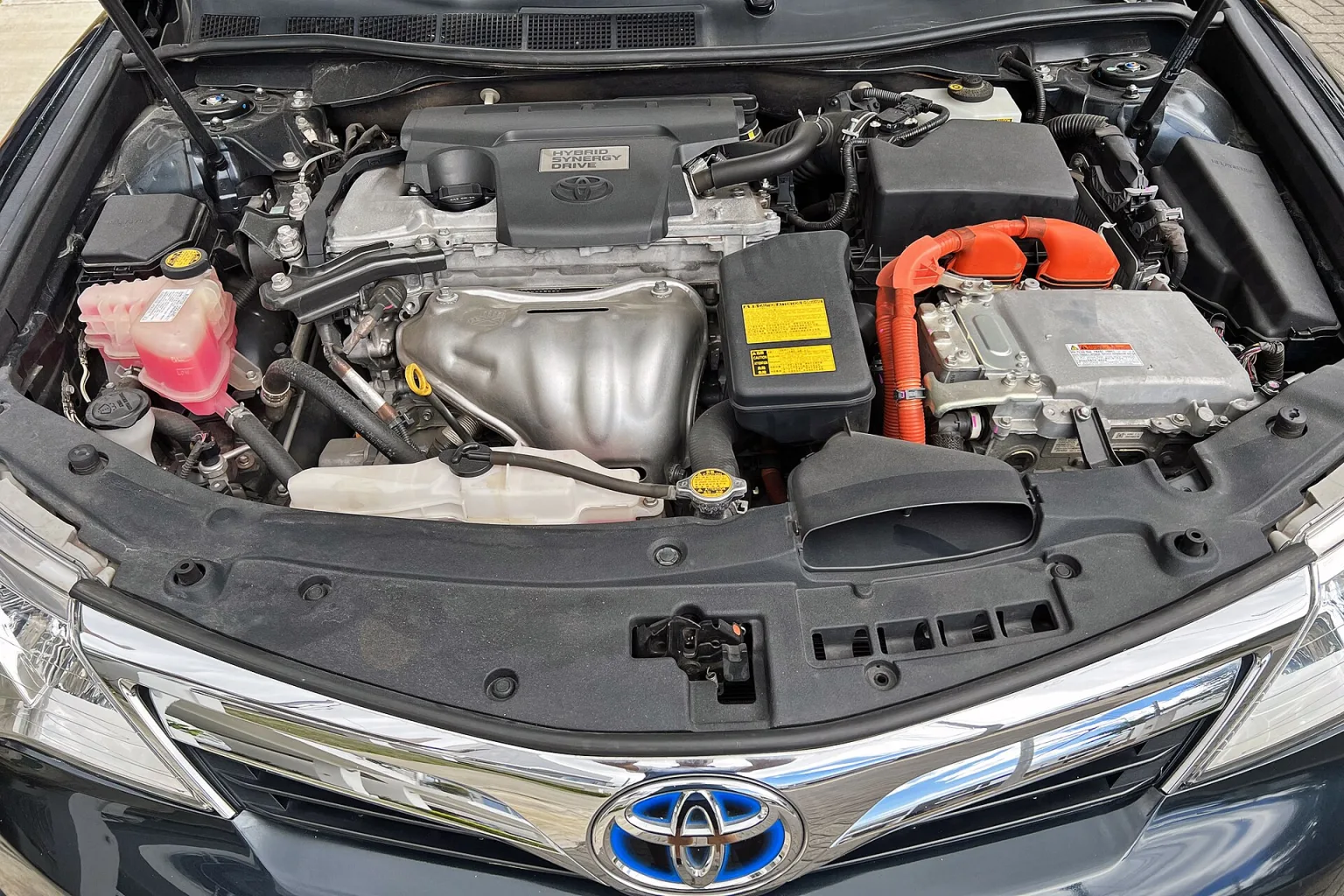
Toyota has reached an advanced stage in developing an induction-type electric motor for its hybrid vehicles, a move intended to reduce dependence on rare earth metals such as neodymium and dysprosium. The company’s engineers are pursuing this design as prices for these metals soar and supply remains dominated by China.
The shift comes as the cost of neodymium has climbed sharply, with spot prices jumping from $42 per kilogram to more than $283 per kilogram within a year. Rare earth elements are critical in the magnets of current hybrid and electric vehicle motors, including those in the Toyota Prius, Nissan Leaf and Chevrolet Volt. The Prius, for example, uses neodymium and dysprosium in its motor magnets, and its battery contains more than nine kilograms of lanthanum.
China’s near-monopoly on rare earth mining and processing has left carmakers exposed to price volatility and supply risks. Toyota’s move to induction motors, which do not require rare earth magnets, is intended to shield its hybrid programme from these pressures. Induction motors use electromagnetic induction rather than permanent magnets to generate rotation, making them less reliant on rare earths.
Induction motors and hybrid efficiency
Toyota’s research aims to produce induction motors that match or exceed the efficiency and weight of the company’s current magnet-based designs. If successful, these motors could be lighter and more efficient, helping hybrids maintain their fuel economy advantage without the cost and supply issues associated with rare earths.
The company has not announced when vehicles using the new motors will reach the market. A spokesman said the research is at an advanced stage, but no production timeline has been confirmed.
Industry context and alternatives
Other manufacturers are also seeking ways to reduce rare earth dependency. Honda, for example, has developed rare earth-free magnets for hybrid and electric motors (seeHonda develops rare earth-free magnets for hybrid EV motors). The push to reduce rare earth use is driven by both cost and the strategic risk posed by limited global sources.
For Toyota, the ability to build hybrids without neodymium or dysprosium would reduce exposure to global supply shocks and help stabilise costs as hybrid and electric vehicle production expands. The company’s research reflects a wider trend in the industry towards alternative motor technologies and material sourcing strategies.