Toyota, Honda and Nissan join forces to expand Japan’s hydrogen network
Eleven Japanese firms including Toyota, Honda and Nissan have agreed to accelerate hydrogen station rollout, aiming for 160 sites and 40,000 fuel cell vehicles by 2020.
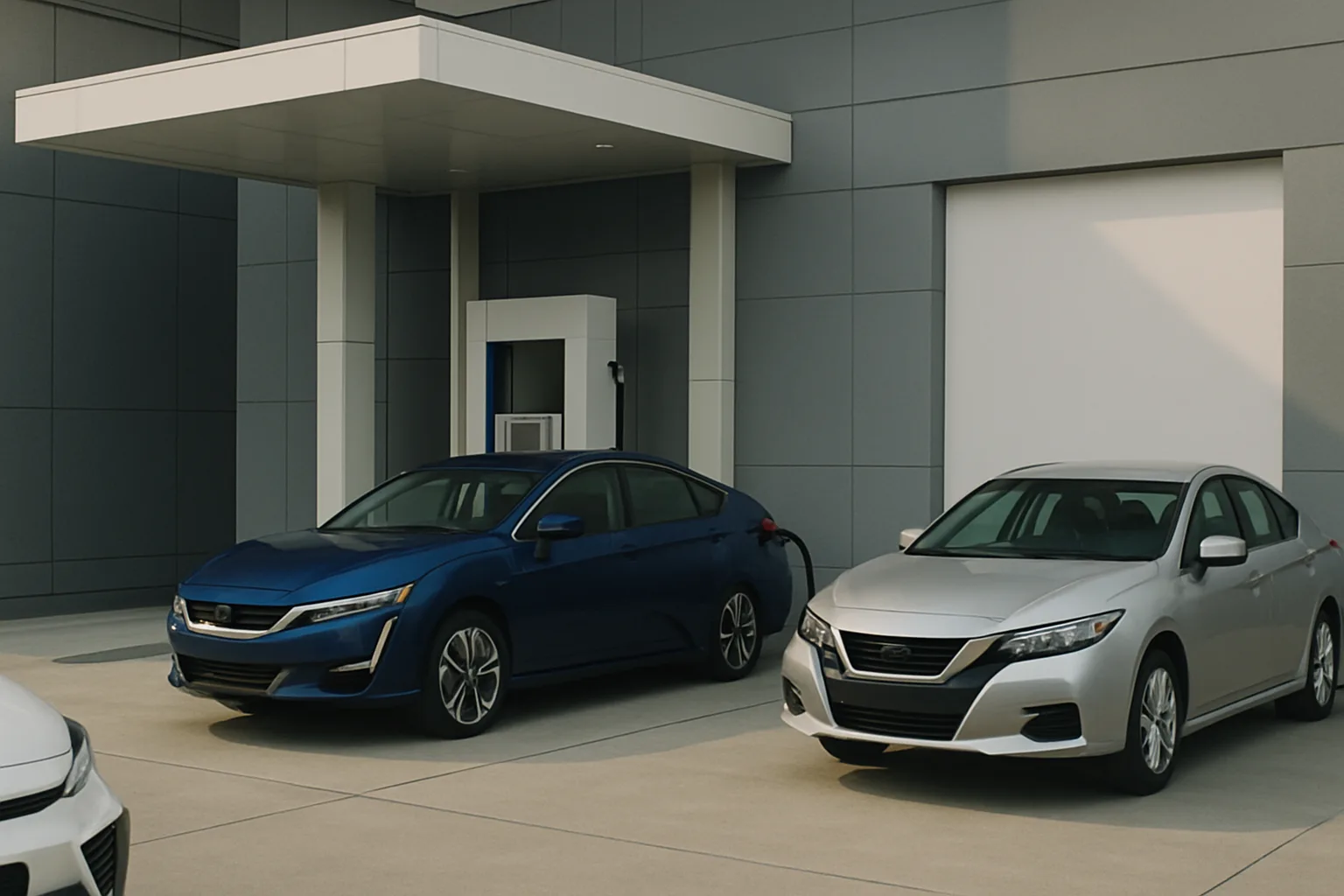
Toyota, Honda and Nissan have signed a memorandum of understanding with eight other Japanese companies to accelerate the country’s hydrogen infrastructure, targeting 160 hydrogen refuelling stations by 2020. The agreement aims to support the national push toward wider adoption of fuel cell vehicles and showcase Japan’s green credentials ahead of the Tokyo Olympics.
The partnership covers carmakers, energy suppliers and financial institutions. Alongside Toyota, Honda and Nissan, the signatories include Tokyo Gas, Toho Gas, JXTG Nippon Oil & Energy and the Development Bank of Japan. The focus is on coordinated investment and operation to make hydrogen refuelling a practical reality for more drivers.
Japan’s government set the target of 160 hydrogen stations and 40,000 fuel cell vehicles on the road by 2020, compared to 90 stations and a much smaller fleet at the time of the agreement. The push is designed to reduce reliance on fossil fuels and position Japan as a leader in hydrogen mobility. Both Toyota and Honda have invested heavily in fuel cell technology, with the Mirai and Clarity models representing the current state of the art in Japanese fuel cell vehicles.
Hydrogen sales and infrastructure challenges
Despite the investment, hydrogen vehicles remain a niche segment. In 2016, Toyota sold 1,034 Mirai and Honda delivered 245 Clarity units in Japan. The limited number of refuelling stations has been a major barrier to wider adoption, making infrastructure expansion critical if the government’s 2020 targets are to be met.
The involvement of Nissan, which has focused more on battery-electric vehicles, marks a notable shift in support for hydrogen. The combined effort is expected to streamline station construction and operation, with energy and financial partners providing resources beyond what the carmakers could offer alone.