Toyota Uses Air-Cleaning Billboards to Highlight Mirai's Green Credentials
Toyota is promoting its Mirai hydrogen fuel cell car in California by deploying billboards and even a car wrap coated with titanium dioxide, a material that actively removes nitrogen dioxide from the air.
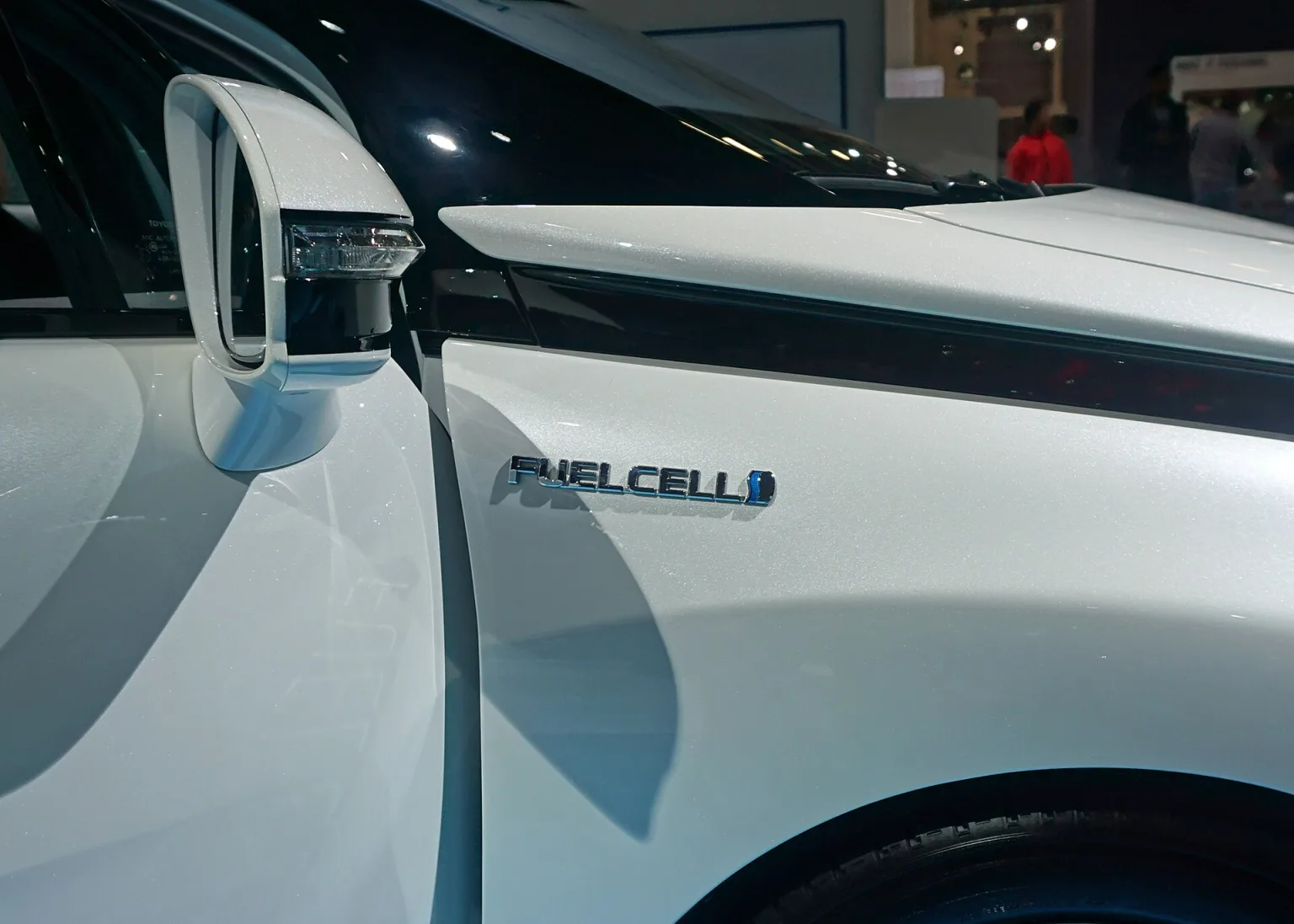
Toyota has taken an unconventional approach to promoting the Mirai hydrogen fuel cell car in the United States, installing 37 billboards coated with titanium dioxide in Los Angeles and San Francisco. The campaign, running through April and May, covers nearly 25,000 square feet and is intended to demonstrate the Mirai’s clean-air credentials by physically scrubbing nitrogen dioxide (NOx) from the surrounding air.
The billboards use a vinyl material coated with titanium dioxide, a chemical already present in products like toothpaste and white paint. When exposed to sunlight and moisture, titanium dioxide acts as a photocatalyst, converting airborne NOx into less harmful nitrates. According to Toyota, the surface area involved is enough to remove the equivalent NOx emissions produced by over 5,000 vehicles per month. The company has not published independent verification of these figures, but the principle behind the technology is established in environmental engineering circles.
As part of the campaign, Toyota also displayed a Mirai wrapped in the same titanium dioxide-coated vinyl at the Environmental Media Association Impact Summit in Beverly Hills. The move aligns with Toyota’s broader strategy to position hydrogen fuel cell vehicles as a clean alternative to conventional combustion engines, particularly in regions with strict air quality standards. The Mirai itself emits only water vapour from its tailpipe, and Toyota is keen to highlight both the direct and indirect environmental benefits of hydrogen technology.
Why Toyota chose air-cleaning advertising
The use of air-purifying billboards is intended to reinforce the Mirai’s message in a market where environmental credentials are a key selling point. California, with its focus on zero-emission vehicles and hydrogen infrastructure, is a primary market for the Mirai. By making the billboards themselves part of the clean-air story, Toyota aims to set its hydrogen technology apart from battery-electric competitors and traditional petrol models.
The campaign reflects growing competition among manufacturers to promote the greenest credentials, especially as rivals such as Hyundai also develop hydrogen-powered models (see Hyundai to Unveil New Hydrogen Fuel Cell SUV in 2017). Toyota’s broader ambitions for hydrogen are set out in its public commitment to reduce combustion engine emissions by 2050 (see Toyota sets 2050 goal to slash combustion engine emissions).