Toyota targets Elon Musk with Mirai fuel cell video
Toyota's US campaign for the hydrogen-powered Mirai includes a video referencing Elon Musk's criticism of fuel cell technology as "bullsh*t".
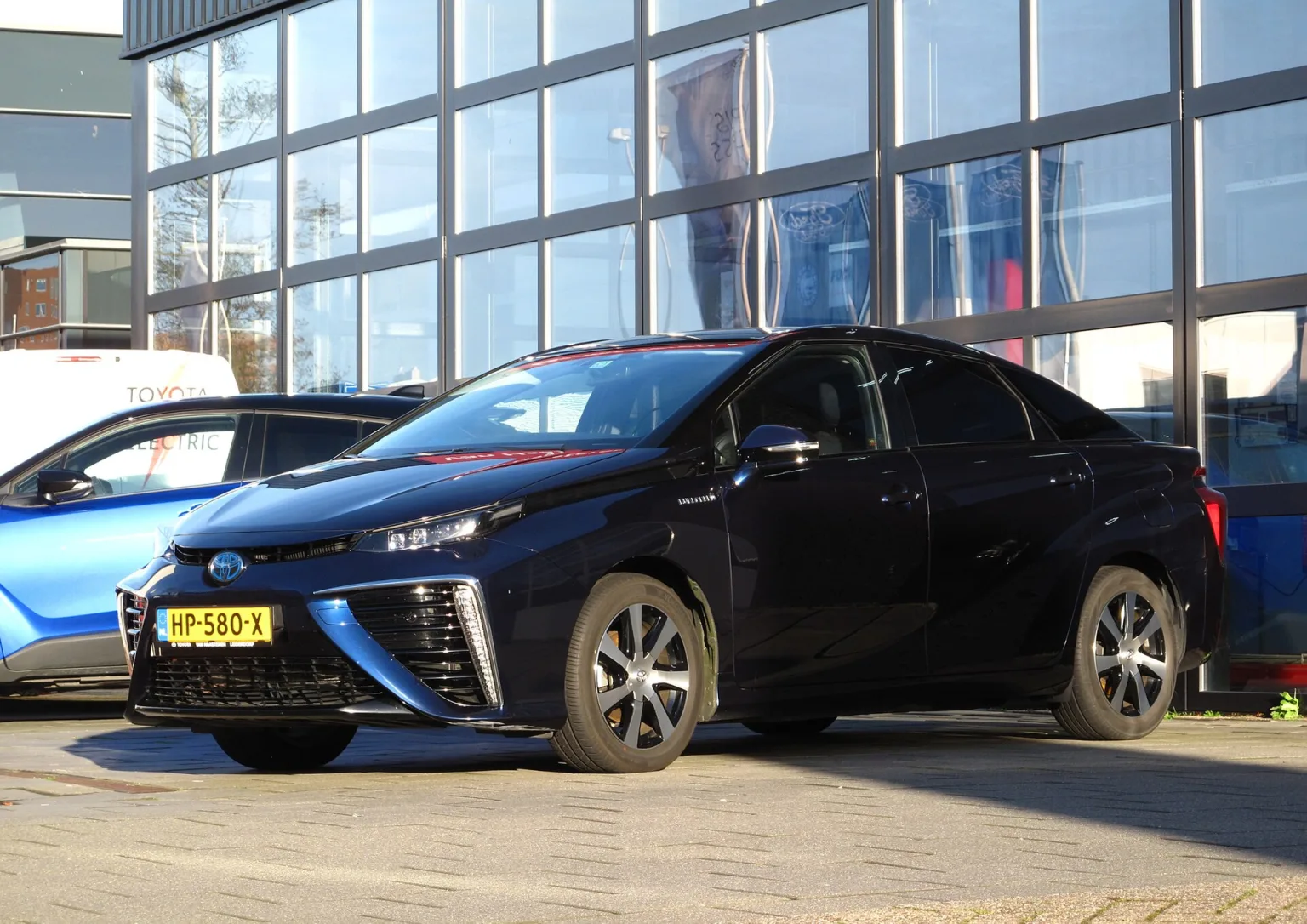
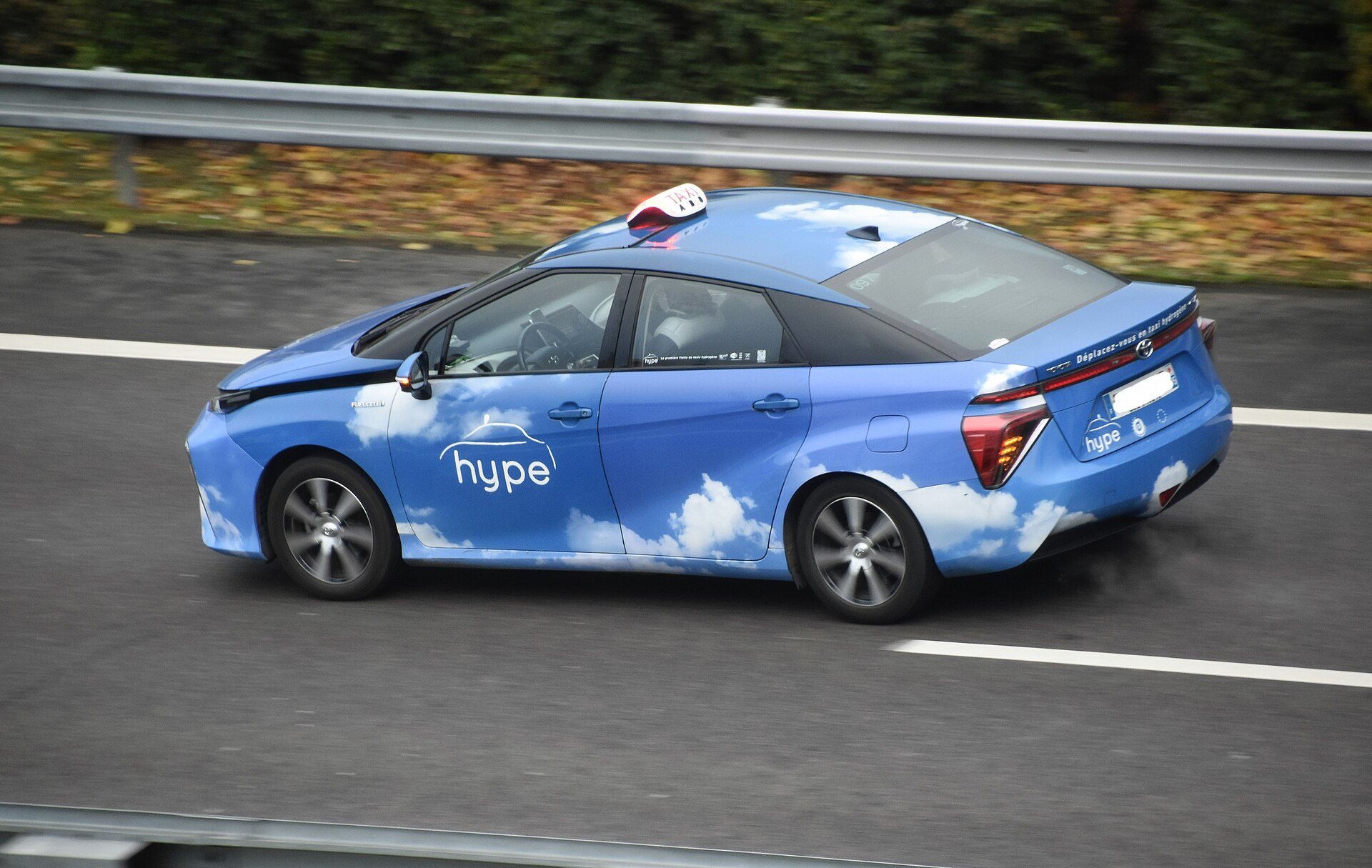
Toyota has launched a US promotional campaign for its hydrogen-powered Mirai, using a video that directly addresses critics of fuel cell technology, most notably Tesla CEO Elon Musk. The video, titled "Fueled by Bullsh*t," takes aim at Musk's 2013 comments dismissing hydrogen fuel cells as a marketing stunt and unfit for anything but rockets.
The campaign's narrator opens by referencing those who have called hydrogen fuel cells "bullsh*t," echoing Musk's language. Toyota's message is clear: the company sees hydrogen as a credible future for zero-emission vehicles, countering the battery-only approach favoured by Tesla. The Mirai, which runs on hydrogen and emits only water vapour, is positioned as a practical alternative to battery electric vehicles, especially for drivers concerned about range and refuelling times.
Toyota's hydrogen commitment
Toyota has prioritised fuel cell development over battery electric vehicles, arguing that current battery technology limits range and puts strain on the power grid. Executives have repeatedly said battery EVs are best suited for short trips, while hydrogen offers longer range and faster refuelling. The company has concentrated its zero-emission strategy around the Mirai, abandoning earlier battery EV research in favour of hydrogen fuel cells.
The Mirai's US rollout begins in California, where the hydrogen refuelling infrastructure is most developed. Sales will expand as more stations come online. Toyota has set an initial target of 5,000 to 10,000 annual fuel cell sales, reflecting both its ambitions and the practical limits of current infrastructure. For more on Toyota's sales targets, seeToyota Sets 5,000–10,000 Annual Fuel Cell Sales as Initial Target.
Mirai and the fuel cell debate
The Mirai's launch comes as other manufacturers, including Hyundai and Honda, also push fuel cell models, though all face the same challenge: limited hydrogen infrastructure. Tesla, meanwhile, continues to expand its battery electric lineup and charging network, with Elon Musk remaining a vocal critic of hydrogen as a viable alternative. The rivalry between the two approaches is shaping the conversation around the future of zero-emission vehicles.