Wärtsilä-Sulzer RTA96-C: The World's Largest Engine Powers Giant Container Ships
The Wärtsilä-Sulzer RTA96-C, a 14-cylinder diesel engine producing 80,080 kW, has driven the world’s largest container ships since entering service in 2006.
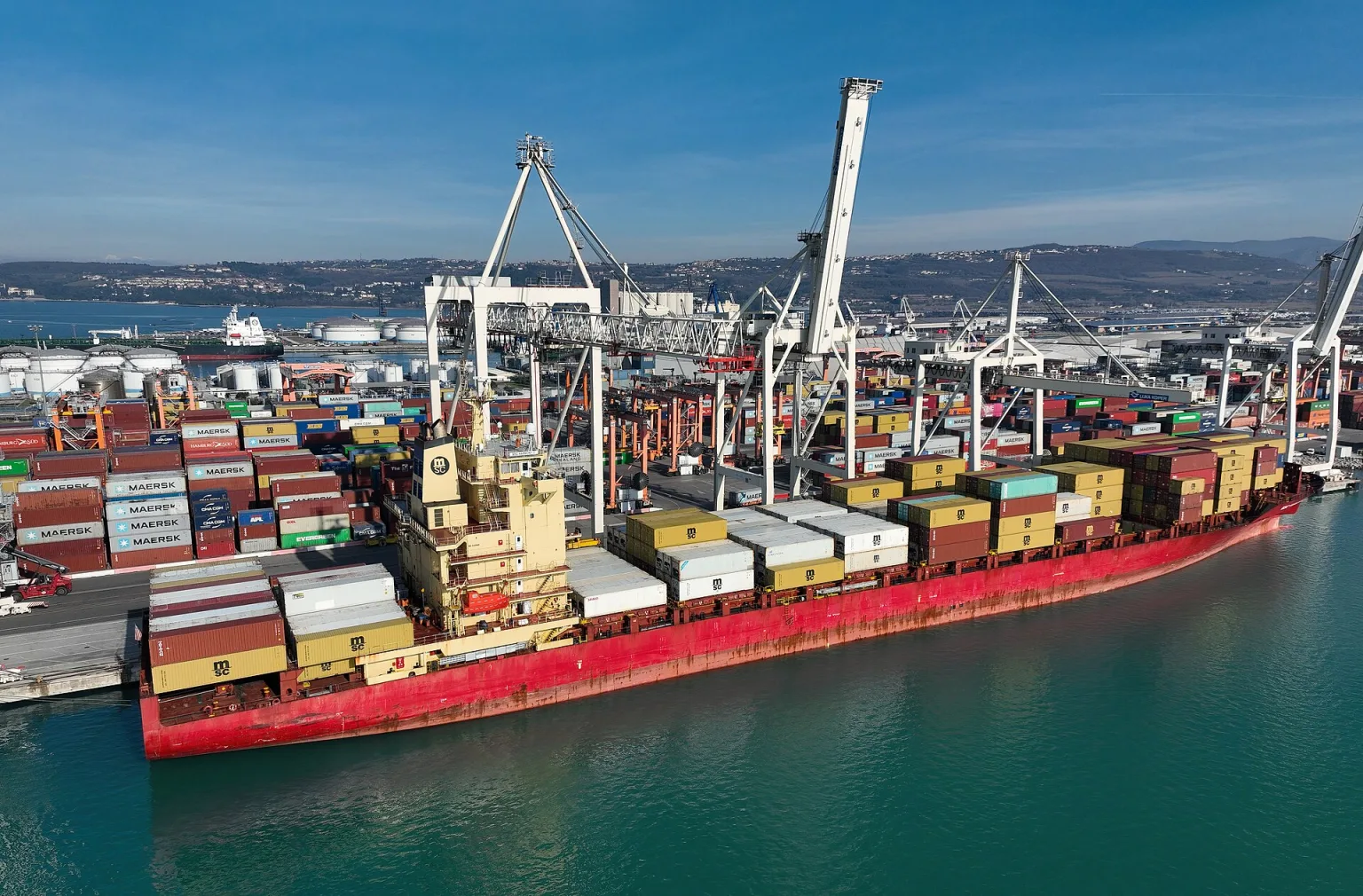
Wärtsilä’s RTA96-C, a two-stroke, turbocharged, low-speed diesel, remains the world’s largest reciprocating engine. The 14-cylinder version, introduced in 2006 aboard the Emma Maersk, produces 80,080 kW (107,390 horsepower) and stands 13.5 metres tall, stretching 26.5 metres in length. Weighing over 2,300 tonnes, the engine’s sheer scale is matched by its output and engineering complexity. The crankshaft alone tips the scales at 300 tonnes, and each piston weighs 5.5 tonnes.
A giant built for shipping’s biggest vessels
Designed to move the largest container ships, the RTA96-C’s 14-cylinder version was developed when Wärtsilä’s earlier 12-cylinder engines could no longer meet the power demands of vessels like the Emma Maersk. Rather than starting afresh, engineers extended the proven RTA96C design, adding two more cylinders and reinforcing the crankshaft and block to handle the extra torque and stress. The result is a powerplant capable of propelling ships weighing over 180,000 tonnes at speeds up to 31 knots, carrying more than 11,000 containers across oceans.
This engine’s common rail fuel injection system replaced traditional camshafts and mechanical pumps, enabling precise control of fuel delivery and exhaust valve timing. The system maximises output at lower RPMs, reduces fuel consumption and emissions, and allows the engine to run efficiently at just 102 rpm under full load. Thermal efficiency exceeds 50%, meaning more than half the fuel’s energy is turned into motion, a figure unmatched by most car engines.
Technical details and operational demands
Each of the 14 cylinders displaces 1,820 litres, for a total displacement of over 25,000 litres. The engine consumes about 250 tonnes of heavy fuel oil per day at full power, or 1,660 gallons per hour. Its torque output reaches 7,603,850 Nm at 102 rpm, with a mean piston speed of 8.5 m/s. The crosshead design separates the cylinder from the crankcase, allowing for different lubricants in each area and reducing wear on the massive pistons and liners. Cylinder liner wear is kept to about 0.03 mm per 1,000 hours, thanks to continual timed lubricant injection tailored to cope with high-sulphur fuels.
Competition and evolution
Wärtsilä is not the only player in this segment. MAN Energy Solutions’ 11G95ME-C9.5, with 11 cylinders, produces up to 75,570 kW and powers ultra-large container ships such as the MSC Jade. Wärtsilä has also advanced its own line with the X92 series, which uses similar common rail technology and meets stricter emissions standards, with a 12-cylinder version delivering up to 73,560 kW. These engines reflect the shipping industry’s drive for greater efficiency and compliance with evolving emissions regulations.
Building and operating the world’s largest engine
Constructing a single RTA96-C engine is a major undertaking. Each unit costs upwards of $25 million and requires extensive material and engineering resources. As of the late 2000s, 25 engines were in service with a further 86 on order, underscoring the demand for high-output marine powerplants as global shipping volumes have grown.
- 14-cylinder Wärtsilä-Sulzer RTA96-C: 80,080 kW (107,390 hp)
- MAN B&W 11G95ME-C9.5: 75,570 kW (103,000 hp)
- Wärtsilä X92 (12-cylinder): 73,560 kW
The RTA96-C’s legacy is not just its size or power, but its role in enabling the rise of the modern container ship, which underpins global trade. The engine’s design and operational principles continue to influence the development of marine propulsion as shipping faces new efficiency and environmental challenges.