UAW and Detroit Three: What the 2011 Talks Delivered
The 2011 contract negotiations between the UAW and Detroit’s big three automakers set the tone for US auto labour relations in the post-crisis recovery.
Plants, jobs, sales figures, regulation and the executives behind them. The business of building cars.
Page 3 of 10
The 2011 contract negotiations between the UAW and Detroit’s big three automakers set the tone for US auto labour relations in the post-crisis recovery.
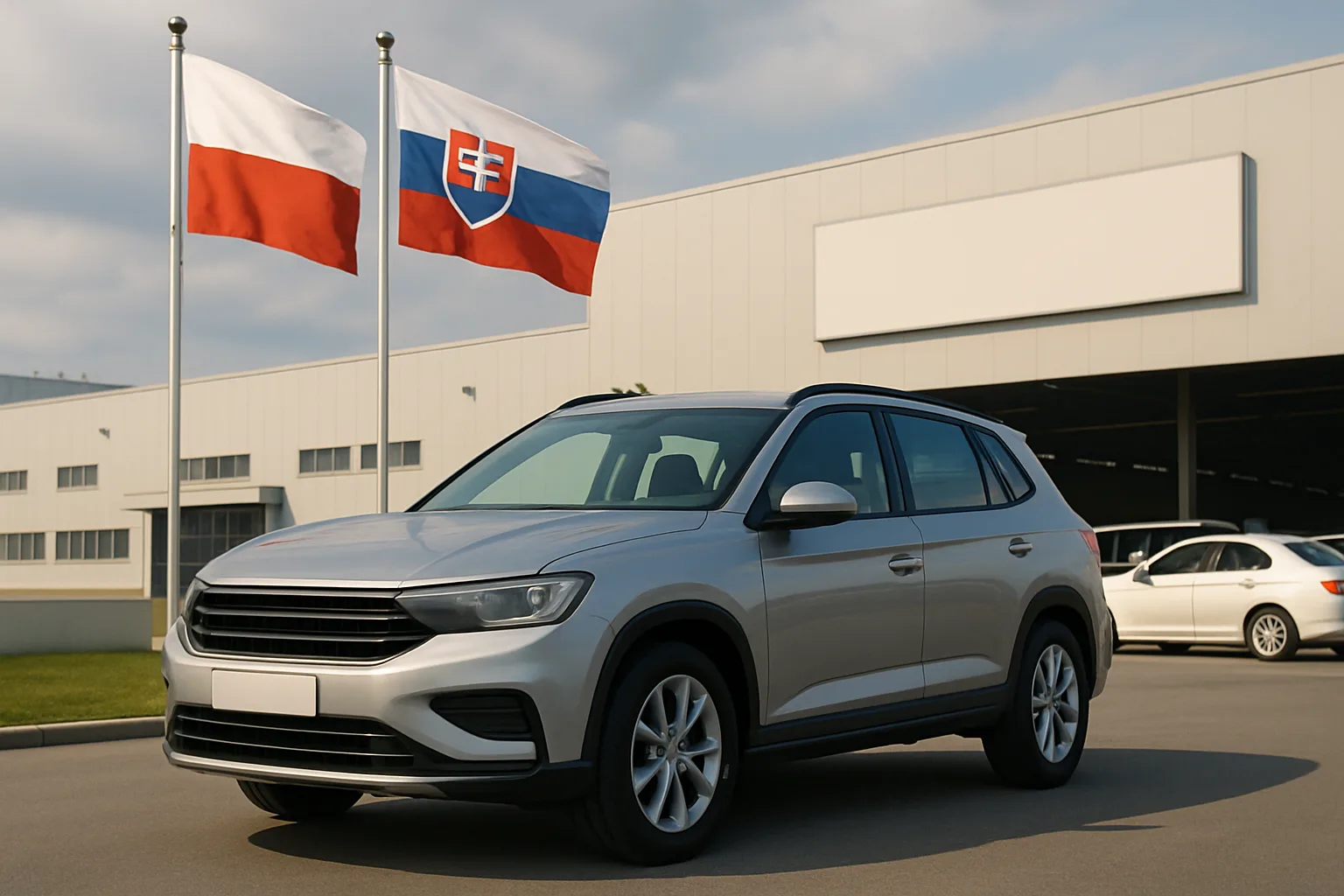
A new car factory worth $1.9 billion is being considered by an Indian automaker, with Poland and Slovakia both seeking to secure the investment and its 350,000-unit annual capacity.
A CarMD analysis shows Wyoming has the lowest average auto repair costs in the US, while Washington DC drivers face the highest bills, with a notable $158 difference between them.
Major overseas pension funds have joined criticism of Toyota's proposal for unlisted 'Model AA' shares, arguing the move disadvantages foreign investors ahead of the company's June 2015 annual meeting.
Volkswagen’s powerful works council chief says the company should resolve its structure before seeking a permanent supervisory board chairman after Ferdinand Piëch’s resignation.
Rising European car sales, driven by improving consumer confidence and favourable economic conditions, have yet to translate into stronger profits for manufacturers.
The US safety regulator has moved aggressively in 2015, compelling Takata to recall 34 million airbags and scrutinising Fiat Chrysler’s recall practices.
Subaru will boost capacity at its Indiana plant to nearly 400,000 vehicles by early 2017, four years ahead of its original schedule, as US sales continue to break records.
Volkswagen’s finance chief has dismissed speculation of acquisitions or mergers, confirming the group is concentrating on talks to raise its stake in its Chinese joint venture with FAW.
Stephen Wong and other Chinese entrepreneurs are adapting Tesla’s business strategies as they invest in China’s fast-growing electric commercial vehicle sector.
Toyota will seek approval to issue up to 150 million new Model AA shares, raising about ¥500 billion to support long-term hydrogen and fuel cell development.
Jiangsu's pricing bureau penalises Mercedes-Benz and its dealers for imposing minimum prices on E-Class, S-Class and spare parts, escalating China's crackdown on foreign automakers.
French supplier Faurecia will form a new joint-venture with Dongfeng in Wuhan, targeting €2bn in deliveries to Dongfeng and its partners including Peugeot, Nissan, Honda and Kia.
Uber is negotiating an investment or partnership with Chinese carpooling app Dida Pinche as it seeks a foothold in a market dominated by Didi and Kuaidi.
Toyota is overhauling its entire business strategy, with a new focus on design, technology and efficiency to maintain its global leadership as the industry shifts.
Mercedes-Benz aims to overtake Audi as India's top luxury car brand in 2015 by expanding its compact range, increasing local production and growing its dealer network.
Despite a sharp fall in the Canadian dollar, the country’s automotive sector has not seen the expected resurgence in factory investment or job growth seen in the US and Mexico.
Carlos Ghosn, CEO of Renault-Nissan, expressed renewed confidence in Infiniti’s future as the brand seeks to boost its US sales and global standing after a leadership shakeup.
Detroit’s hourly auto workers are set for large profit-sharing cheques, but expectations for base wage increases remain high as union contract talks approach.
Dutch supercar maker Spyker has overturned a court-ordered bankruptcy, regaining creditor protection as it pursues new models and a merger with a US electric aircraft firm.
Samsung SDI maintains that falling oil prices will not slow the global shift to electric vehicles, citing regulatory pressure as the key driver through 2020.
US startup Local Motors plans to expand its network of micro-factories using 3D printing to produce electric vehicles, following demonstrations at Detroit's auto show.
Thousands of vintage American cars survive in Cuba, but legal and practical obstacles mean few are likely to reach US buyers even as diplomatic ties improve.
Karl-Thomas Neumann has cautioned senior management that Opel and Vauxhall may miss their 2016 profit goal, citing pressure from weak European and Russian sales.