Japanese carmakers increase reliance on Chinese-made parts as local competition intensifies
Nissan, Honda and other Japanese manufacturers are shifting more sourcing to Chinese suppliers to lower costs and compete with domestic rivals in China’s booming entry-level car market.
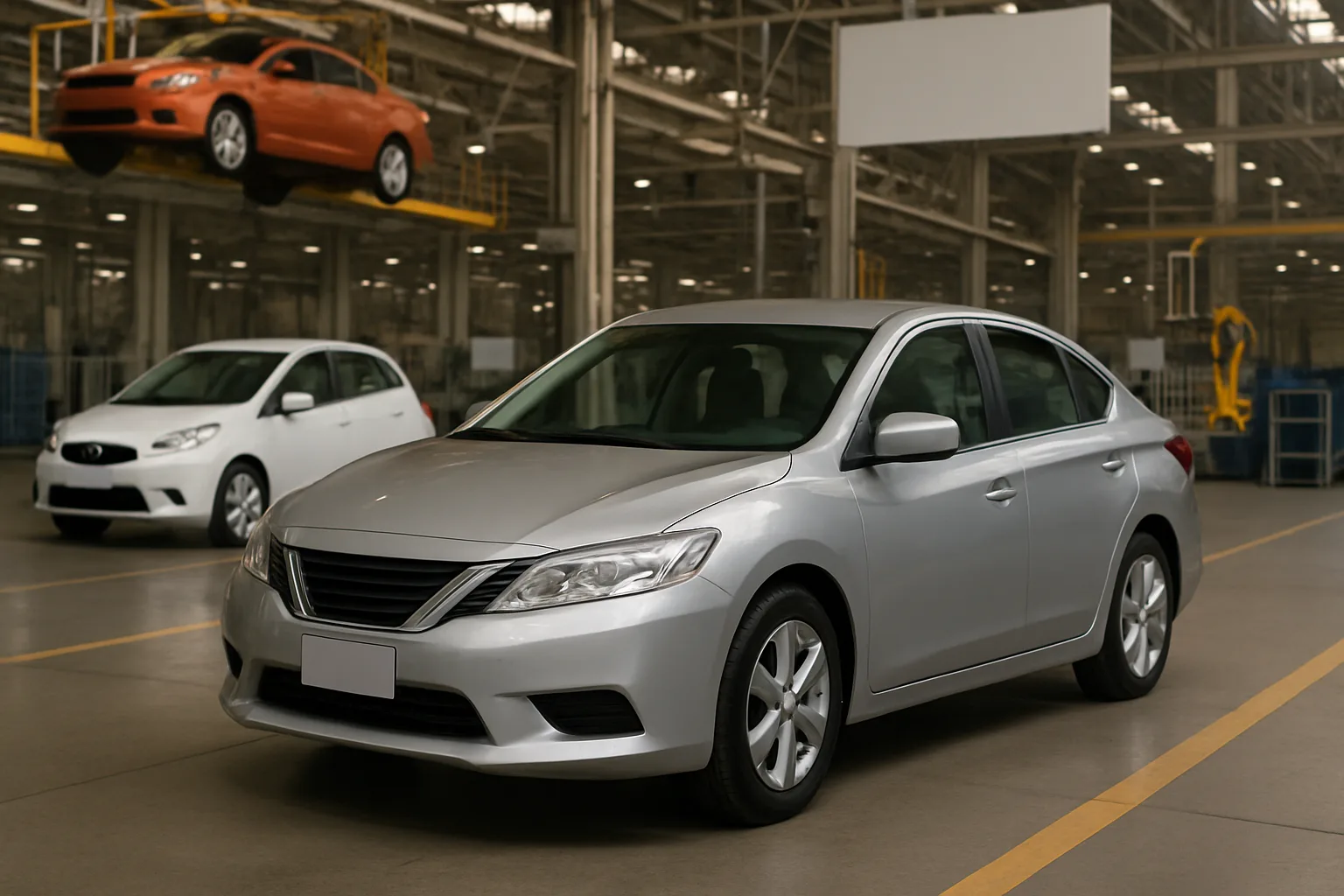
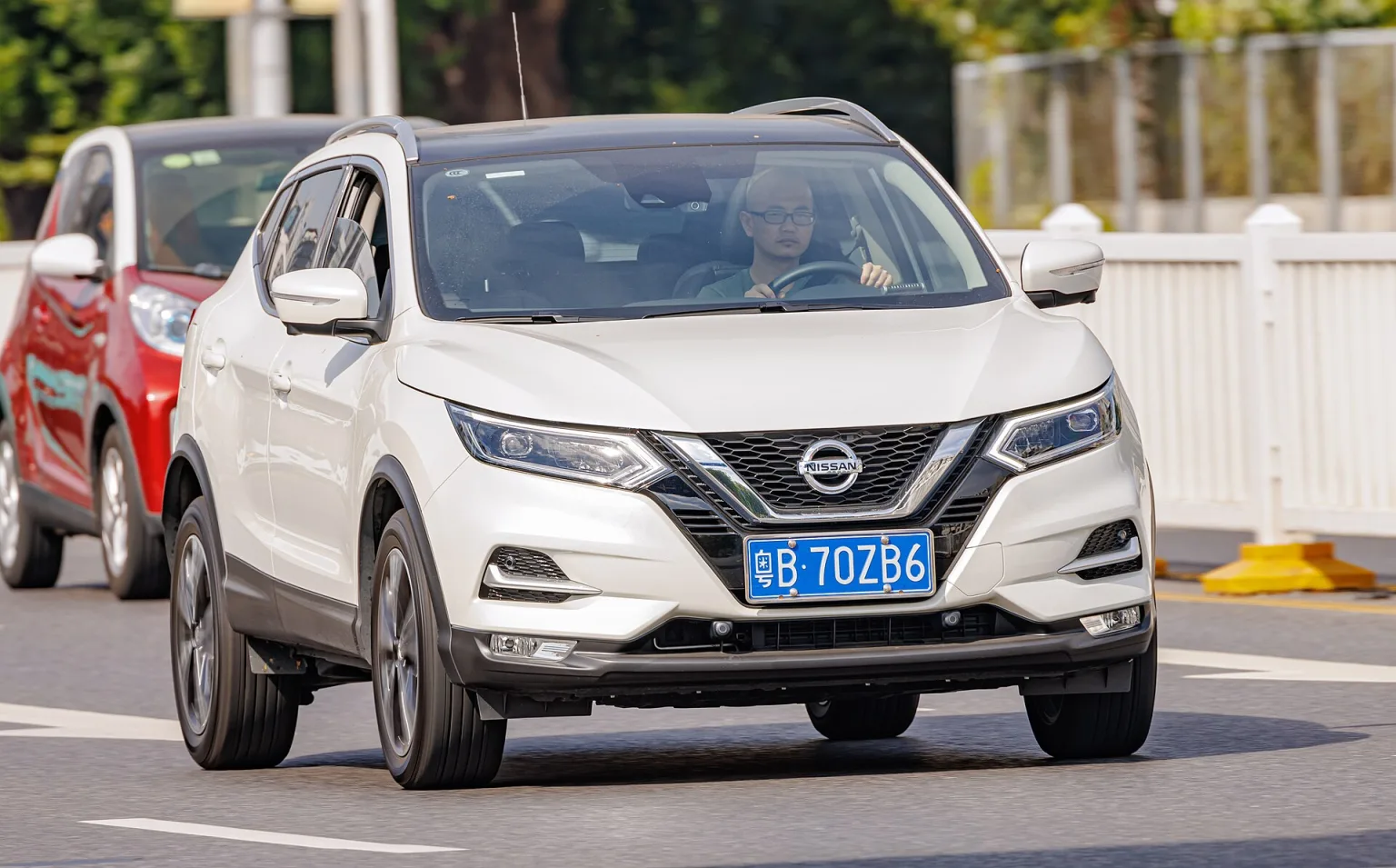
Japanese automakers are stepping up their use of China-made auto parts as they look to cut costs and keep pace with fast-growing local competitors in the world’s largest car market. Nissan and Honda now source more than 90% of their parts locally in China, a marked shift from a decade ago when most components were imported from Japan.
The move comes as the entry-level segment in China, dominated by home-grown brands such as Geely, has become fiercely competitive. Demand for sub-$10,000, no-frills vehicles is surging, and analysts expect this market to grow by 40% over the next two years. Japanese manufacturers, who once relied on their reputation for quality and imported components, are now under pressure to match the aggressive pricing of Chinese rivals.
Cost pressures drive localisation
Japanese carmakers initially imported most parts from Japan when they entered China, but rising costs and a stronger yen have made this unsustainable. As a result, companies have pushed their suppliers to set up manufacturing in China, aiming to reduce logistics expenses and respond faster to local market demands. Even so, Japanese-branded parts produced in China often remain more expensive than those from purely Chinese suppliers, partly due to reliance on raw materials still sourced from Japan.
Shouhei Yamazaki, a senior purchasing executive at Dongfeng Nissan, has acknowledged that pure Chinese suppliers are cheaper, highlighting the ongoing challenge for Japanese brands to close the cost gap while maintaining quality standards.
Competitive pressure from Chinese brands
Geely’s King Kong and GM’s Chevrolet Sail have set the benchmark for affordable vehicles in China, forcing Japanese brands to adapt. The shift to local sourcing is not just about price, but also about speed to market and the ability to tailor products to local tastes. Japanese automakers have recognised that competing in the sub-¥60,000 segment requires a different approach to sourcing and manufacturing than in their traditional mid-market stronghold.
- Geely King Kong dominates China’s entry-level segment.
- GM’s Chevrolet Sail is a benchmark for low-cost vehicles.
- Japanese brands must match local cost structures to compete.
The localisation strategy is expected to continue as long as Chinese suppliers can deliver the necessary volumes and meet quality requirements. For Japanese carmakers, the balance between cost savings and brand reputation remains a central concern as they try to hold their ground in a market that is moving rapidly towards locally sourced, affordable cars.
For more on the broader shifts in China’s car market, see China considers opening electric car production to non-automakers.