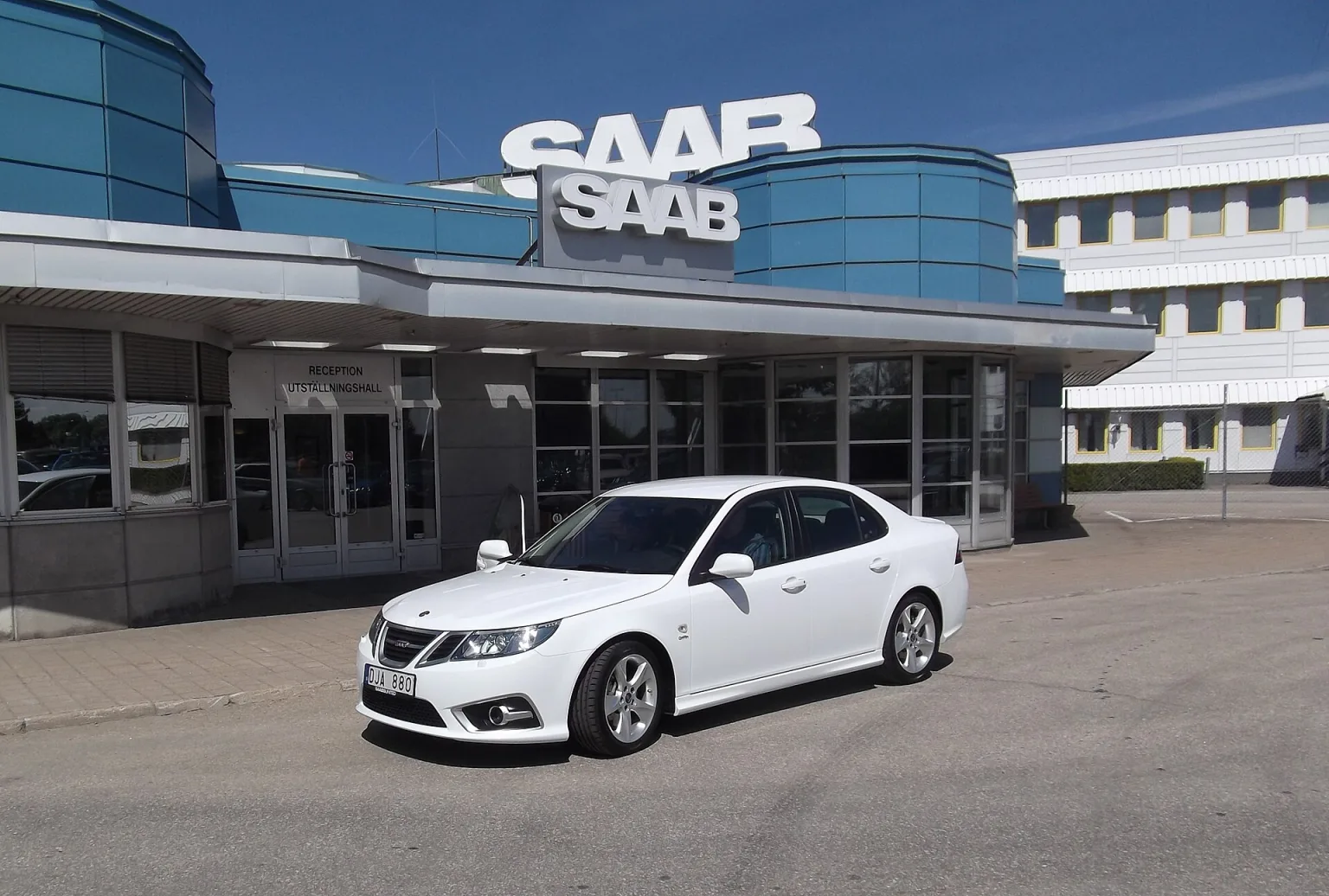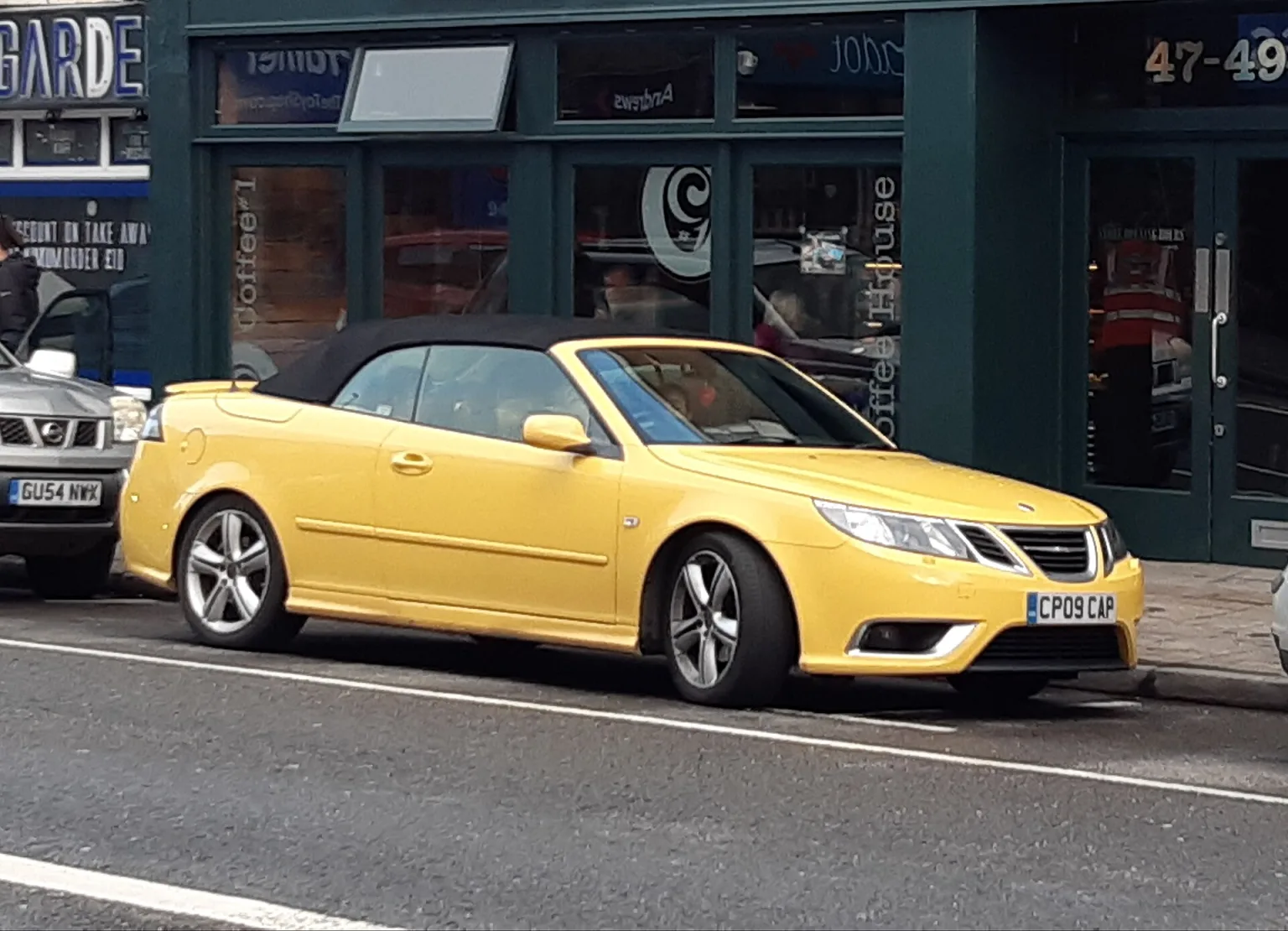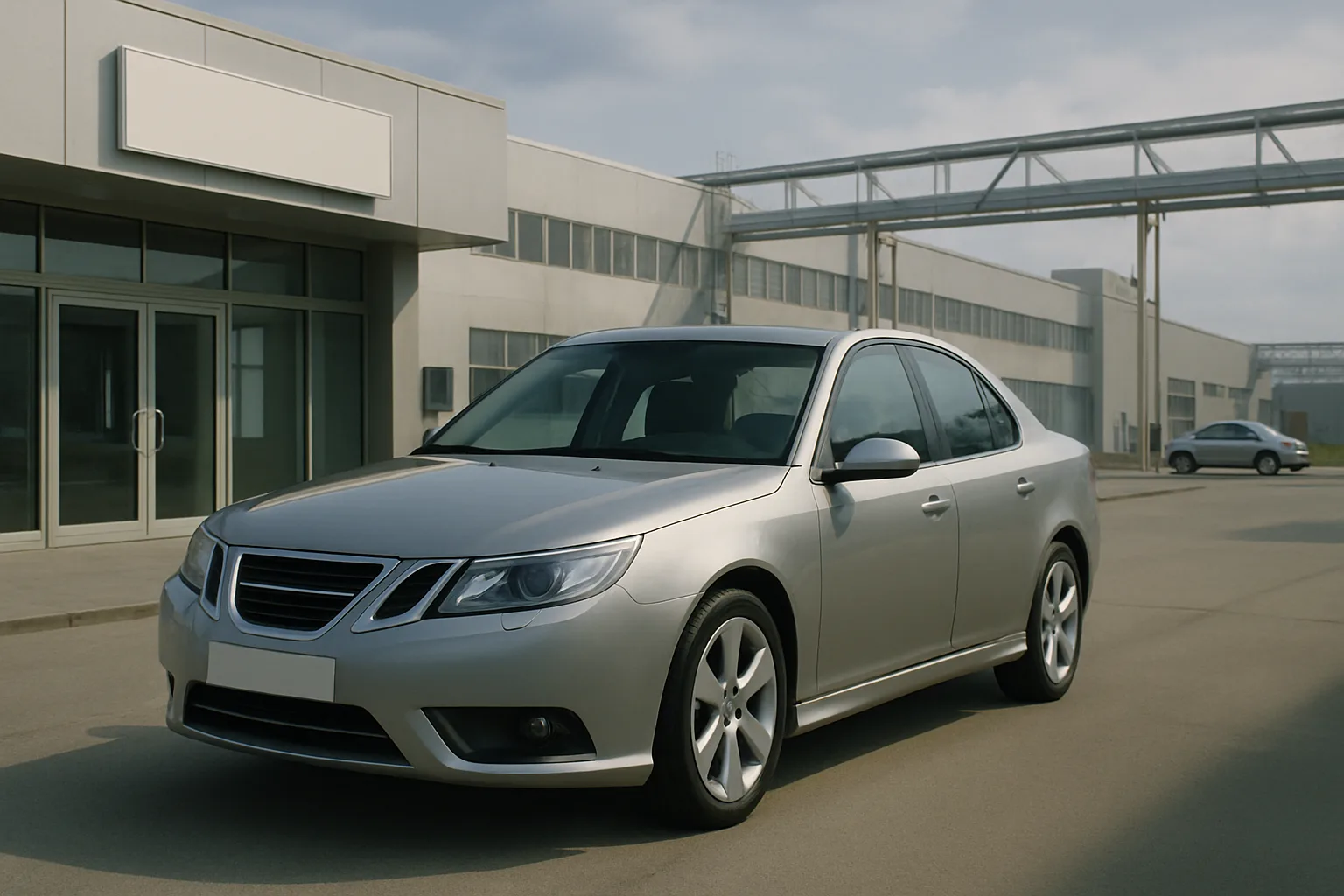
Saab secures €65m rescue deal with China’s Pang Da
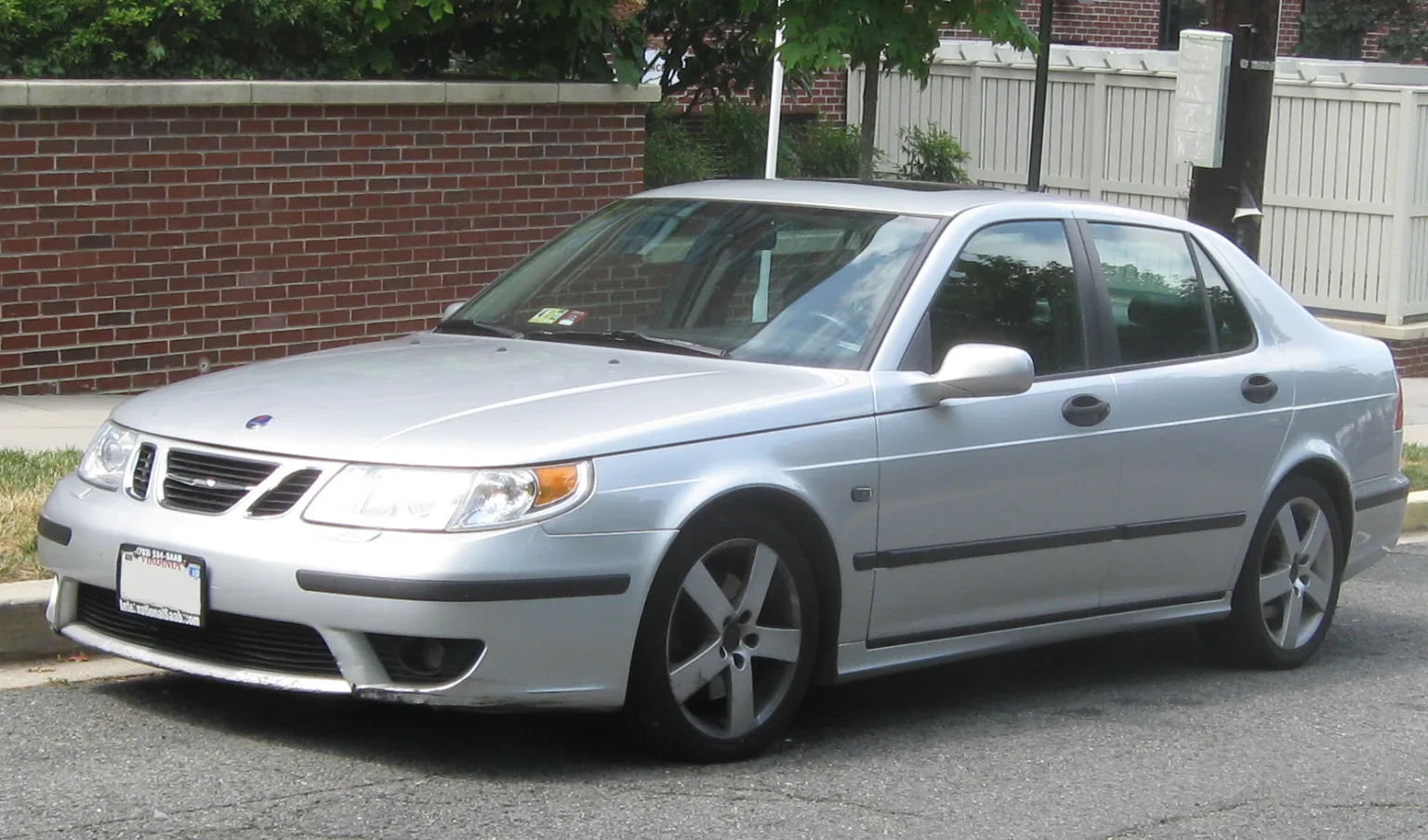
Spyker agrees to sell a 24 percent stake to Pang Da Automobile, with immediate funding and joint ventures in China aimed at restarting Saab's stalled production.
Plants, jobs, sales figures, regulation and the executives behind them. The business of building cars.
Page 13 of 14
Spyker agrees to sell a 24 percent stake to Pang Da Automobile, with immediate funding and joint ventures in China aimed at restarting Saab's stalled production.
Daimler has confirmed plans to reduce its holding in EADS, the parent of Airbus, as the German car group looks to refocus on its core automotive business.
Dieter Zetsche's compensation reached €8.7 million in 2010 after Daimler posted a strong recovery, with the management board's total pay more than doubling from the previous year.
China’s finance ministry confirms the 10% sales tax will return for cars with engines 1.6 litres or smaller, ending the stimulus that helped drive record growth.
Hyundai Motor America will manufacture the majority of its US-market cars domestically, with the Sonata and other top sellers leading the shift.
The Russian carmaker posted a net profit of 1 billion rubles in the second quarter of 2010, reversing a long period of heavy losses and production decline.
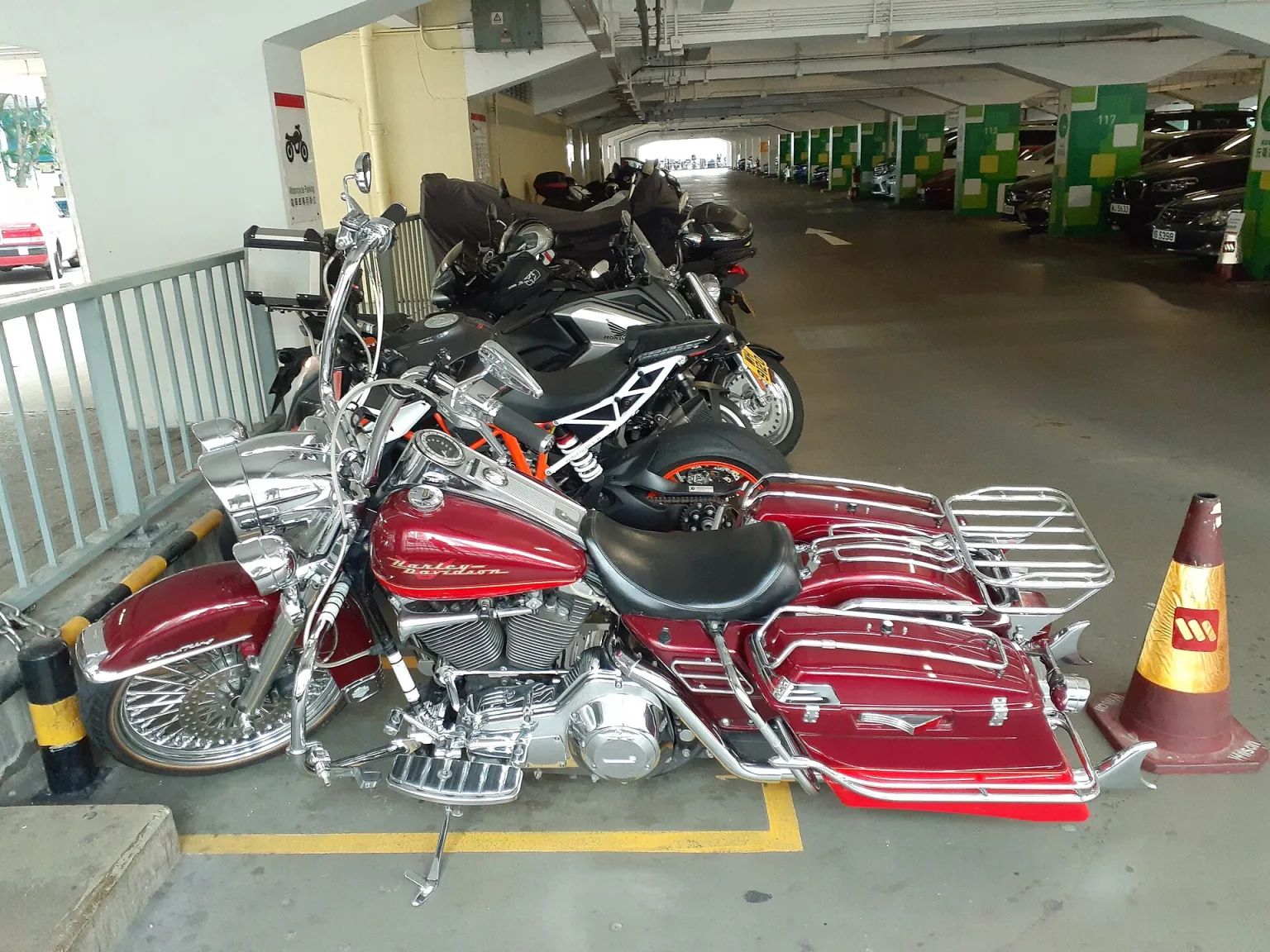
Harley-Davidson’s Chinese sales doubled in 2009, making China the company’s fastest-growing market and prompting plans for four more dealerships and new models tailored to local demand.
The £210m Sunderland facility will supply lithium-ion batteries for Nissan and Renault EVs from 2012, creating 200 jobs at the plant and 600 more in the UK supply chain.
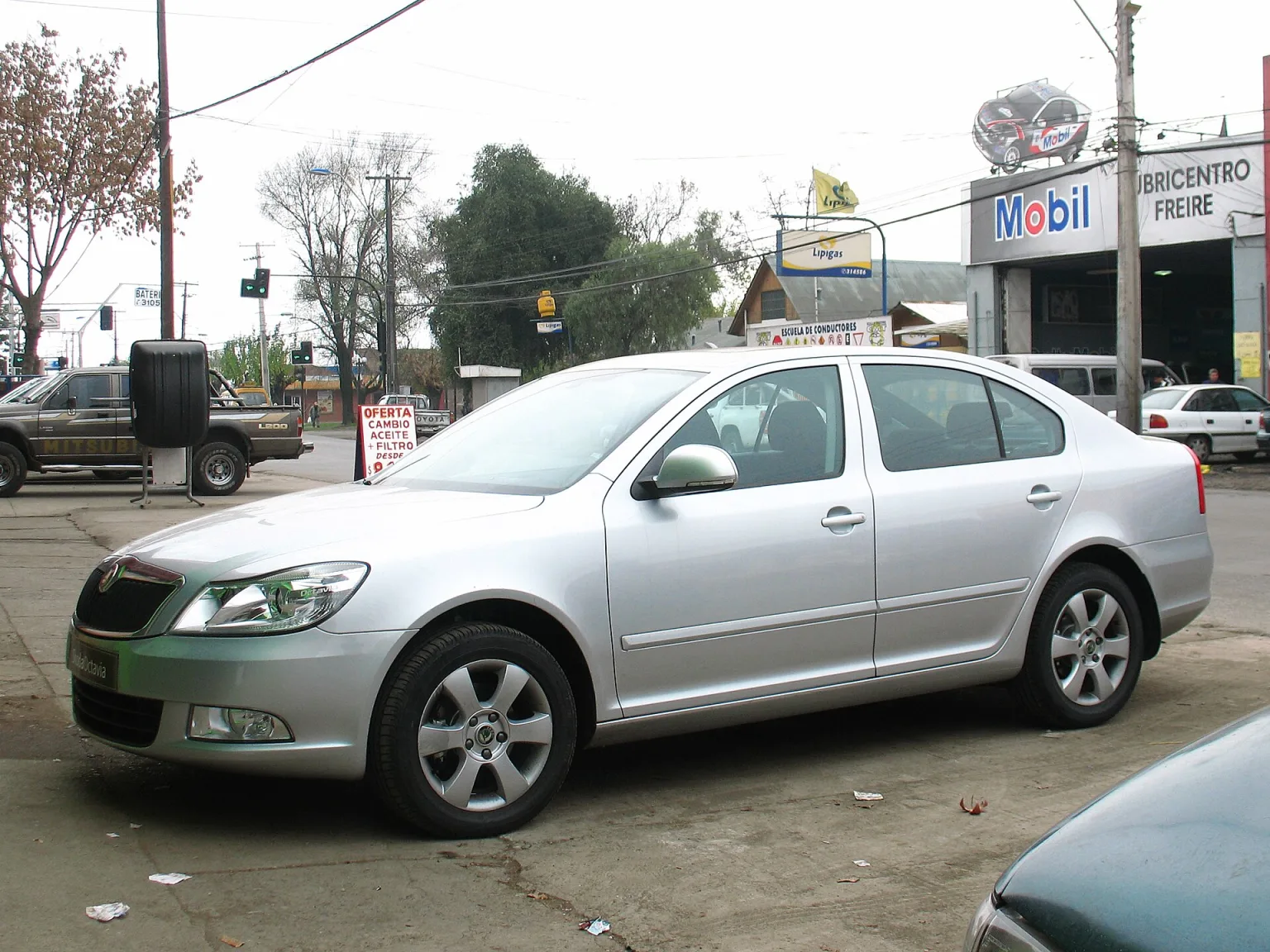
Skoda Auto will cut daily Octavia production from 574 to 441 units from March, responding to weaker sales after Germany ended its car-scrapping scheme.
General Motors will eliminate around 8,300 jobs at Opel across Europe, including nearly 4,000 in Germany and over 2,300 with the closure of Antwerp, as part of a plan to restore profitability.
Spyker plans to position Saab as a premium niche manufacturer, with renewed model lines and funding secured through a mix of GM support and a European Investment Bank loan.
PSA Peugeot Citroën has eliminated 5,700 jobs in its French operations, exceeding its initial voluntary departure target as part of a wider cost-cutting drive.
Dutch supercar maker Spyker is now the only bidder left in talks to acquire Saab from General Motors, with a decision expected within days.
Talks between Spyker and General Motors over the sale of Saab have collapsed, prompting GM to begin an orderly closure of the Swedish carmaker.
Toyota has announced a 20 percent reduction in manager bonuses following its large-scale US recall and a second consecutive year of financial losses.
With Koenigsegg out, GM faces a critical decision on Saab’s future as BAIC and Merbanco express interest ahead of a board meeting in December 2009.
General Motors confirmed Koenigsegg Group AB has abandoned its planned purchase of Saab, leaving the Swedish brand's future uncertain as of November 2009.
BMW and Brilliance Auto will invest $735 million to boost annual output in Shenyang to 75,000 vehicles, with a further plant planned for 2010.
Volkswagen Group of America is investing $125 million to establish flagship Audi and Volkswagen dealerships on Manhattan’s 11th Avenue, aiming to boost its US market presence from 2010.
Audi targets 30,000 vehicle sales in Russia by 2015, banking on a market rebound despite a sharp downturn and expanding its presence among premium brands.
India’s largest vehicle maker reported a net profit of 7.29 billion rupees for July–September 2009, driven by strong domestic sales and contributions from foreign brands.
Strong third-quarter sales of the Mercedes E-Class helped Daimler post €470 million in earnings before interest and taxes, beating analyst estimates after a period of losses.
Chinese automaker Great Wall Motor and Bulgaria’s Litex Motor have signed a $6 million agreement to build a 50,000-unit assembly plant in Lovech, aiming for EU market access.
The Porsche and Piëch families, long among Germany’s wealthiest, fell to 13th place in 2009 after their fortune dropped by 71 percent amid the failed Volkswagen takeover bid.