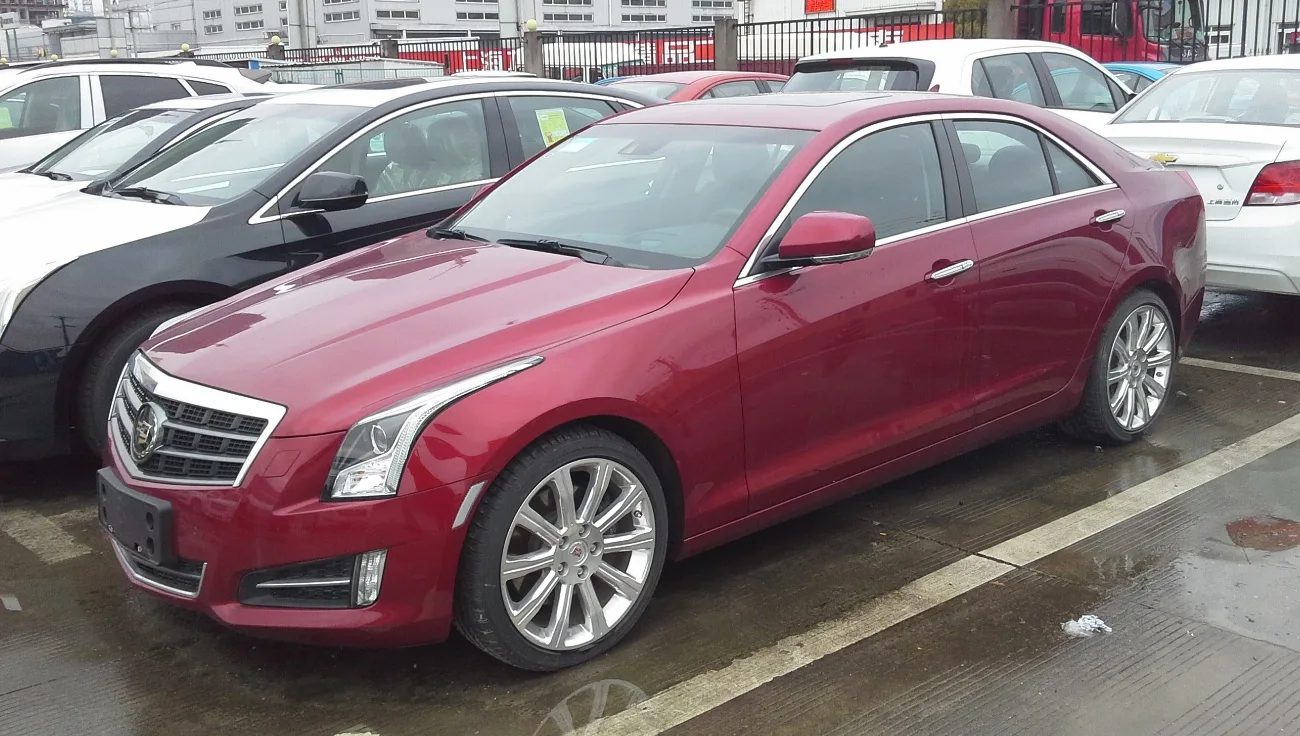
Cadillac adds features to entry models after sales drop
Facing falling US sales and buyer resistance to higher prices, Cadillac is adding features like heated seats to lower-trim models and reviewing its marketing approach for 2015.
Plants, jobs, sales figures, regulation and the executives behind them. The business of building cars.
Page 6 of 14
Facing falling US sales and buyer resistance to higher prices, Cadillac is adding features like heated seats to lower-trim models and reviewing its marketing approach for 2015.
Experian data shows 85% of new car sales and over half of used car sales in the US were financed in Q2 2014, with average loan amounts and payments at all-time highs.
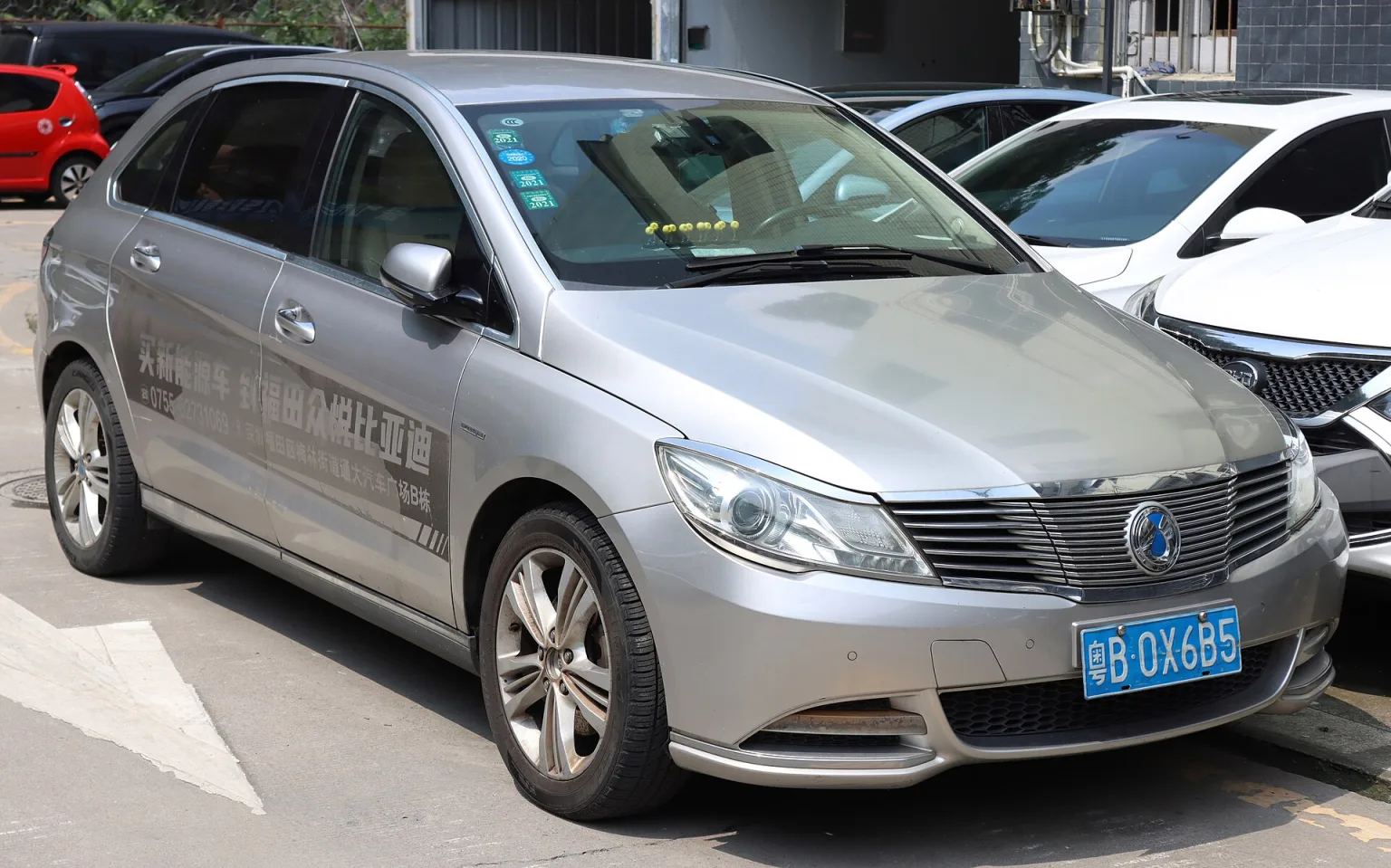
BYD is counting on the Denza, its first electric model co-developed with Daimler, to reverse falling car sales and regain momentum in China’s competitive market.
General Motors has opened its fourth Information Technology Innovation Center in Chandler, Arizona, aiming to employ 1,000 people within two years as part of its in-sourcing technology strategy.
Toyota and Mitsubishi have pressed the Philippine government to finalise an automotive industry policy, warning that continued delays could see production and jobs shift to neighbouring countries.
Fiat Chrysler Automobiles has named US sales head Reid Bigland as the new boss for Alfa Romeo in North America, tasking him with the brand’s ambitious relaunch.
General Motors has slipped to fourth position among global automakers by quarterly revenue, overtaken by Daimler and now just ahead of Renault-Nissan.
Fiat CEO Sergio Marchionne has again ruled out selling Alfa Romeo, despite ongoing speculation and Volkswagen Group’s reported pursuit of the Italian marque.
Analysts expect US new car and truck sales to reach 1.45 million in July 2014, driven by incentives, leasing offers and steady consumer demand.
Peugeot, Fiat, Ford and GM have flagged falling demand and political risk in Russia and Latin America, even as Europe’s recovery shows signs of stabilising.
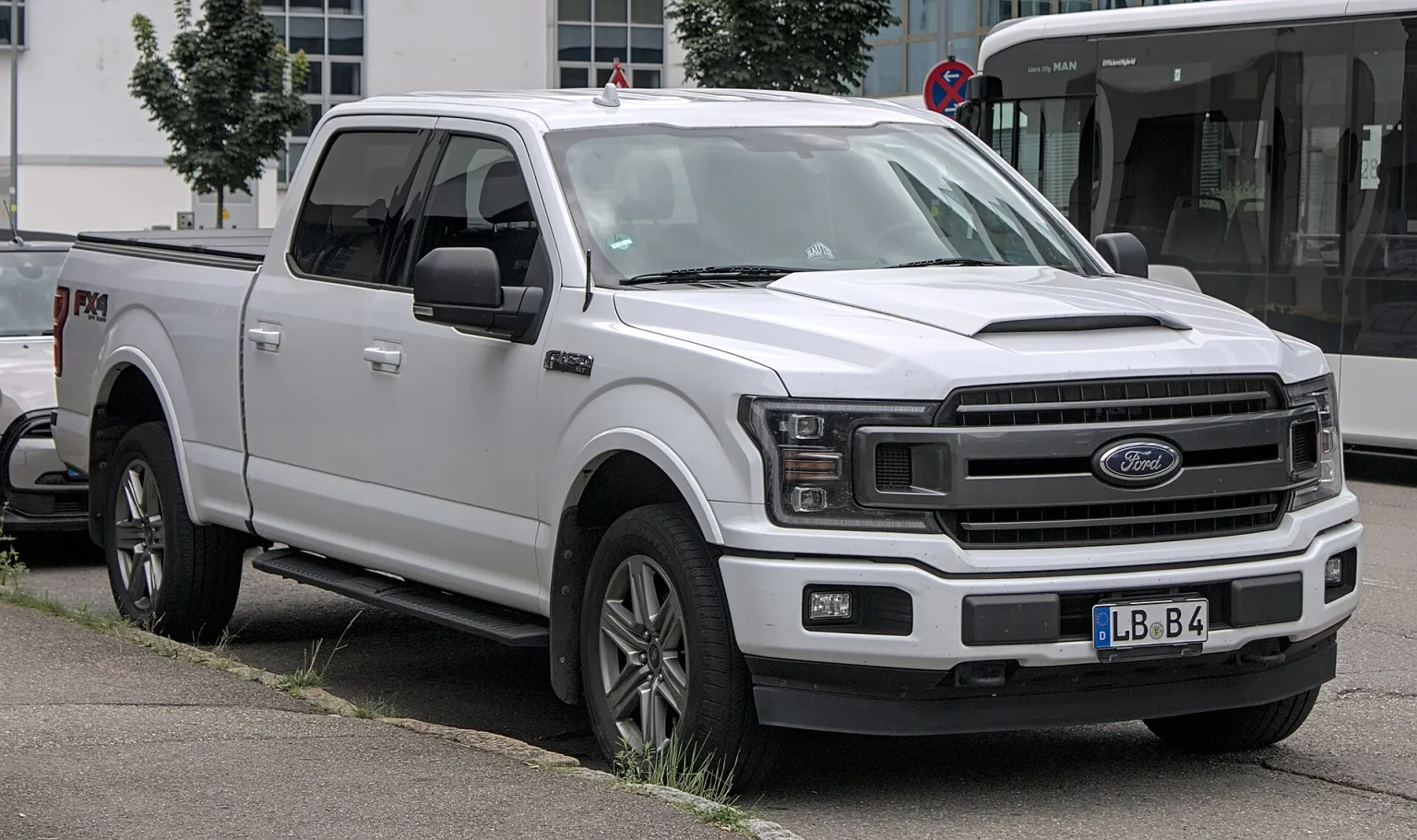
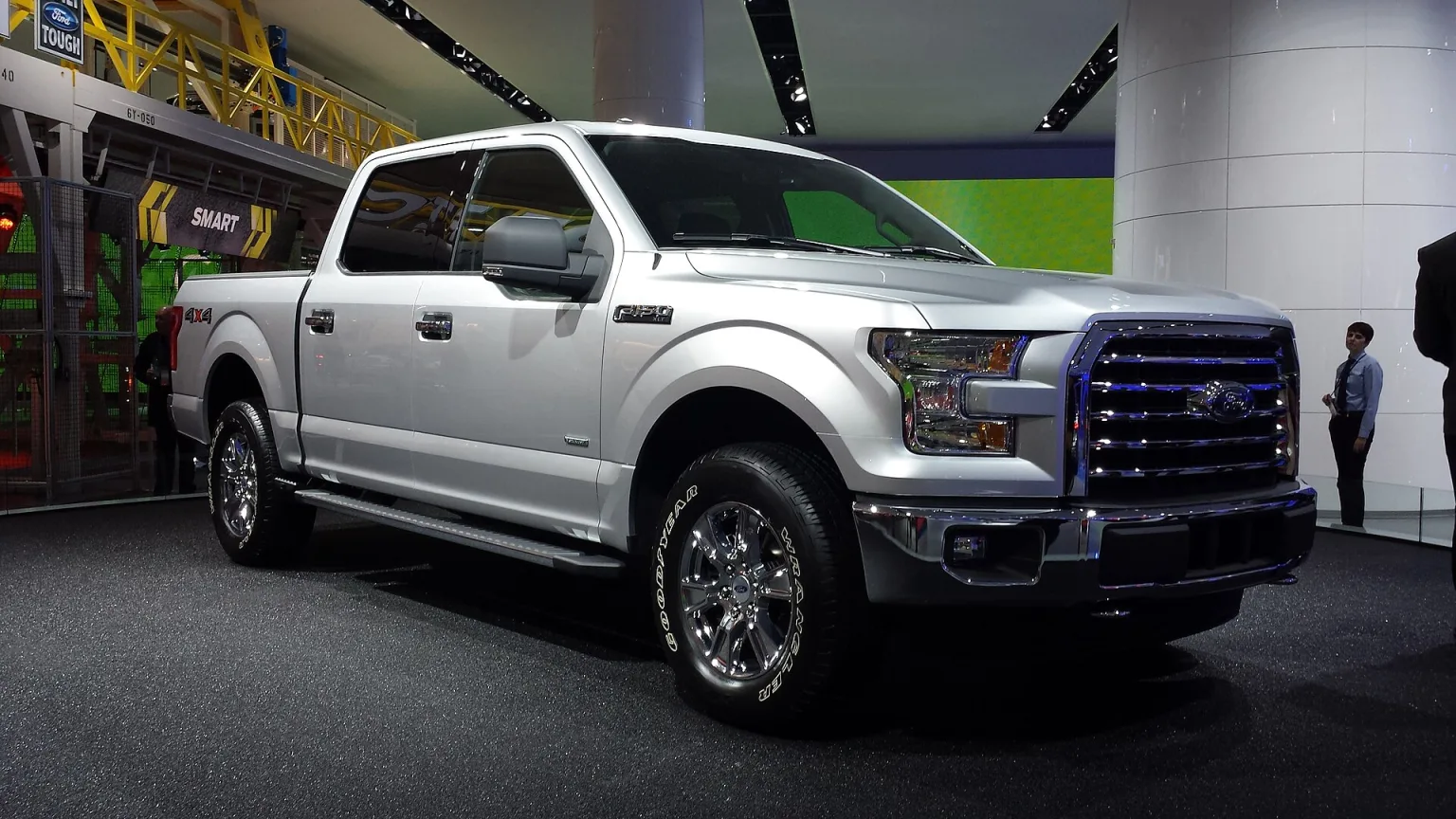
Industry leaders warn that wider adoption of aluminium in mainstream vehicles could push prices up to $2,500 per tonne, driven by Ford’s move with the F-150.
Johan de Nysschen has resigned as president of Infiniti, ending a two-year tenure marked by global expansion plans and a major move to Hong Kong.
China’s government is reviewing rules that could allow non-traditional companies to manufacture electric vehicles, in a move aimed at boosting its new energy car sector.
Fiat Chrysler Automobiles has revealed its first three board members following the merger, as the company prepares for shareholder approval and stock market listing.
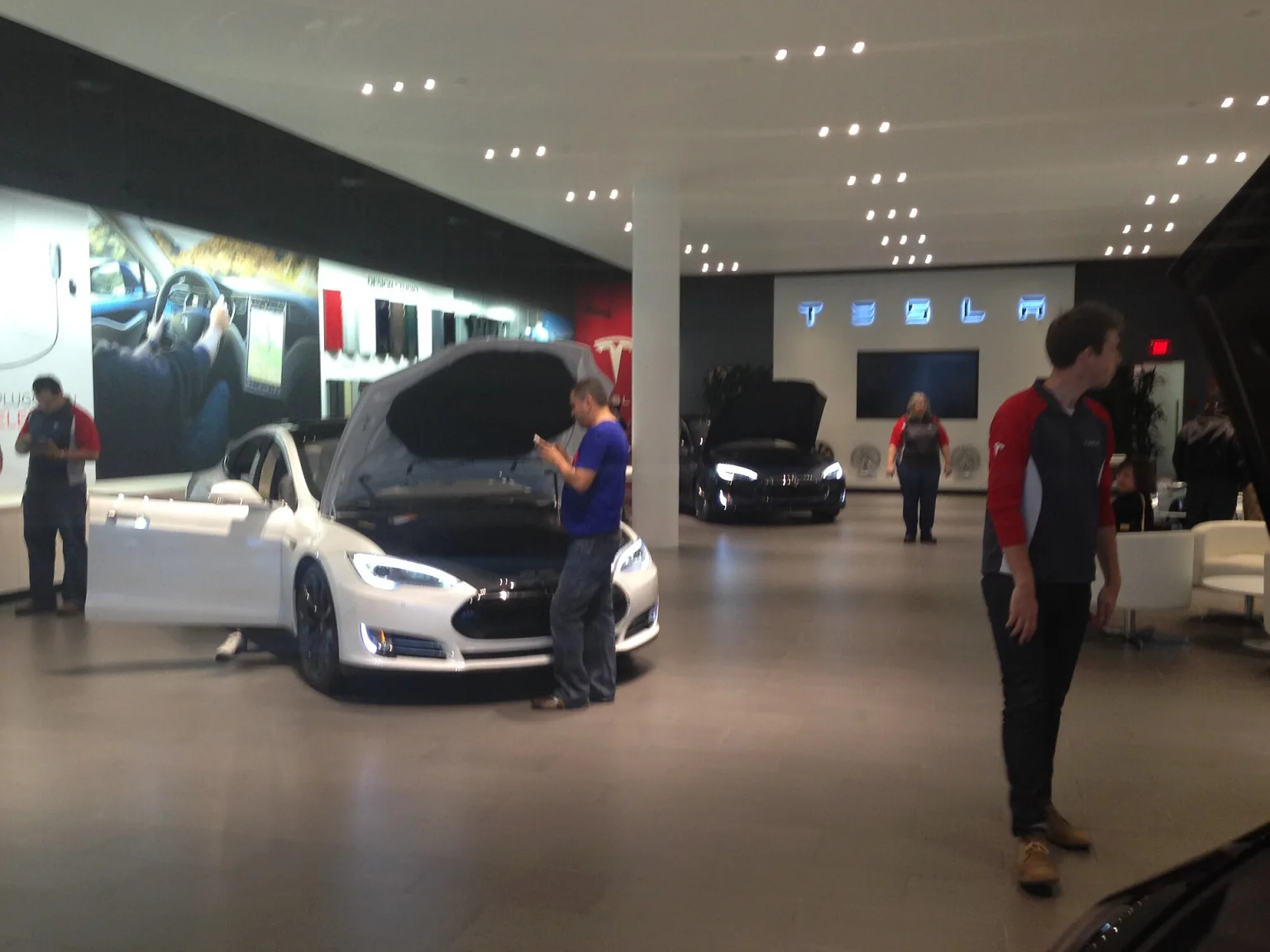
New Jersey lawmakers have approved a bill to let Tesla sell directly to customers through up to four showrooms, ending a months-long standoff over dealership laws.
Ford’s switch to aluminium for the F-150 has triggered a rush among global aluminium suppliers to secure a place in the rapidly expanding automotive market.
Automakers' captive finance arms now account for half of new car loans in the US, as manufacturers target direct lending and leasing to boost sales and customer retention.
PSA’s Rennes and Honda’s Gebze plants operated below 30% capacity in 2013, highlighting persistent overcapacity issues even as Europe’s average plant utilisation improves.
Outgoing Ford CEO Alan Mulally met with Sears Holdings’ Eddie Lampert in early 2014, fuelling speculation about a possible move to the troubled US retailer.
Volkswagen AG is arranging an 800 million yuan asset-backed securities issue in China, backed by auto loan receivables from its financial services arm, as Chinese car sales and financing demand continue to expand.
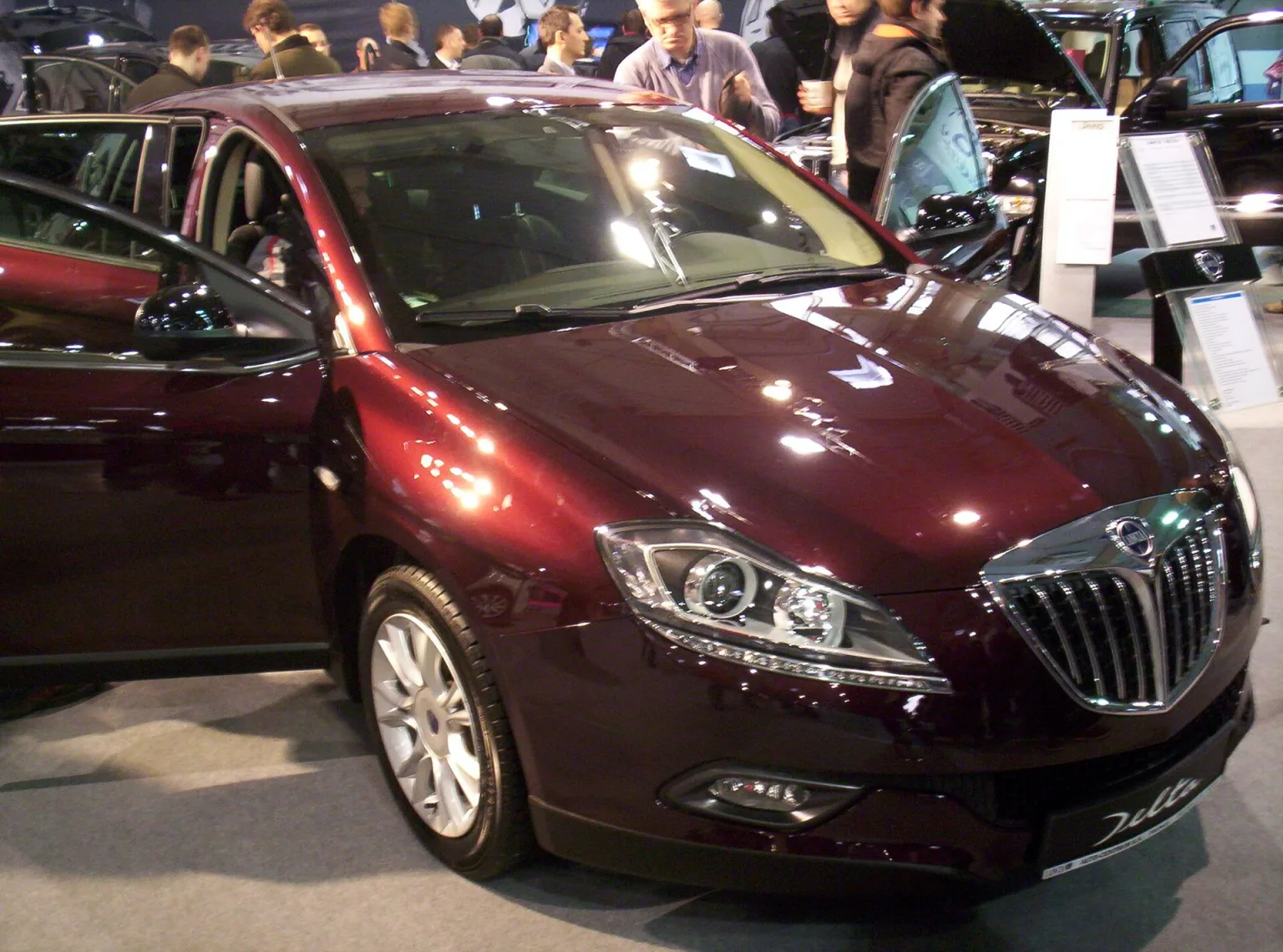
Fiat Chrysler plans to axe the Lancia Delta in 2014 and the Voyager in 2015, leaving the brand with just the Ypsilon and focusing solely on the Italian market.
US new-car dealers saw sales and revenues rise in 2013, yet average profit margins stayed at 2.2% amid tough competition and narrow retailing spreads.
Automakers across Europe have voiced strong opposition to a proposed EU-Japan free trade agreement, citing concerns over market access and the risk of further job losses.
Michelin reported a 2.4% drop in first-quarter revenue for 2014, as currency headwinds and weaker demand in Eastern Europe outweighed a modest increase in global tyre volumes.