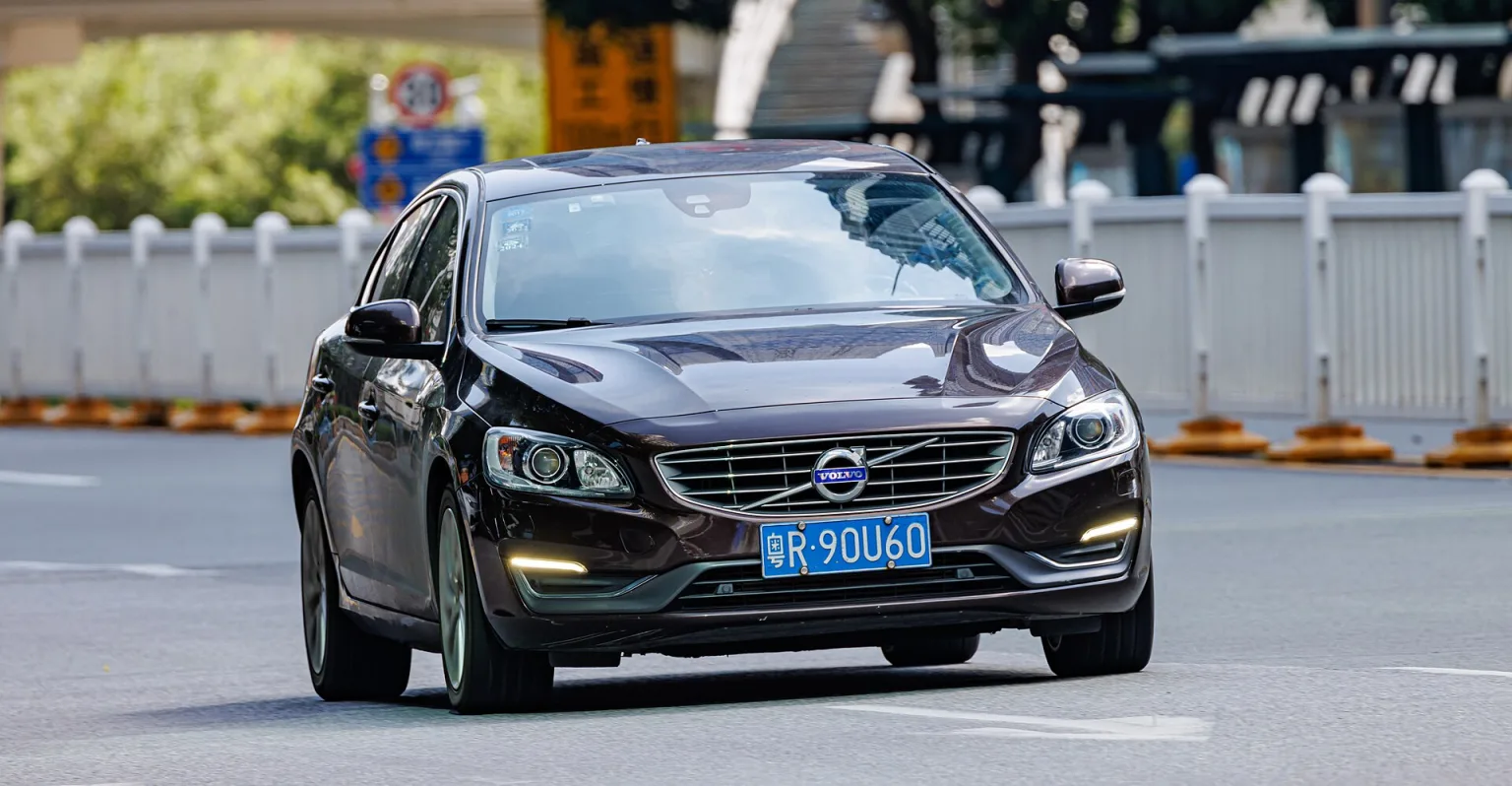
Volvo Ghent Plant Reaches 5 Million Cars Built Since 1965
The Ghent factory in Belgium marked its five millionth car at the end of 2012, a Volvo V40 D2, capping nearly five decades of production.
Plants, jobs, sales figures, regulation and the executives behind them. The business of building cars.
Page 7 of 10
The Ghent factory in Belgium marked its five millionth car at the end of 2012, a Volvo V40 D2, capping nearly five decades of production.
Opel has dismissed a French media report suggesting PSA Peugeot Citroën could acquire it to challenge Volkswagen’s dominance in Europe, calling the speculation unfounded.
Ottawa commits another C$250 million to the Automotive Innovation Fund, extending support for large-scale R&D projects in Canada’s auto sector until 2018.
Ford will reduce daily output of the B-Max by half at its Romanian facility, citing sluggish European sales, but engine production at the site will increase.
Daimler and Bosch have raised their joint venture’s electric engine production goal from 1 million to 2 million units by 2020, aiming to supply both Mercedes-Benz and other manufacturers.
The International Energy Agency projects the number of vehicles worldwide will reach 1.7 billion by 2035, driven mainly by rapid growth in China and India.
The French group’s new Qingdao facility will double its automotive glass output in China, supplying window films and backsheets for the region’s growing vehicle market.
Tesla posted a third-quarter loss of $110.8 million while doubling Model S production, with the company missing its original 2012 output target despite surging demand.
Nissan will invest $358 million in a second assembly plant near Bangkok, aiming to double Thai production to 150,000 vehicles a year by 2014.
General Motors will spend $450 million upgrading its Rosario Automotive Complex between 2013 and 2015 to build a new global Chevrolet model for domestic and export markets.
Volvo will cut line speed and reduce agency staff at its Ghent plant in Belgium from 2013, responding to lower European demand for its core models.
Volkswagen will ship 200,000 Europe-built vehicles to China in 2013 and invest €3.4 billion in Brazilian operations as European demand falls.
Fiat is in talks with Guangzhou Automobile Group to manufacture the entire Jeep portfolio in China, aiming to boost sales in the world’s largest car market.
China’s National Development and Reform Commission says the country needs more highways, subways and sewage plants, as approvals for new projects accelerate in response to slowing growth.
JLR has suspended its planned Brazilian manufacturing site following a court decision that ended regional tax breaks for foreign automakers, undermining the business case for local production.
The Indian government has cleared a $4.1 billion initiative aimed at boosting hybrid and electric vehicle production, targeting 6 million EV and hybrid sales by 2020.
The Chinese government has approved Volvo's plan for a 4 billion yuan Chengdu plant, paving the way for local production of the XC60 and S60L from 2013.
Completion of Saab’s sale to National Electric Vehicle Sweden has been postponed after complications with the rights to the Saab name and delays in securing funding.
US offshore operator ATP Oil & Gas has filed for bankruptcy protection, citing the Obama administration's deepwater drilling moratorium as the main cause of its collapse.
Brownfield Communities Development has purchased the ex-GM Mansfield-Ontario stamping plant in Ohio, with plans to bring in new tenants and create 1,100 jobs at the site.
BMW’s Rosslyn plant has gained Chinese certification, clearing the way for exports of the new 3 Series from South Africa to China starting in 2012.
A German report alleges that FAW systematically copied Volkswagen engine and transmission technology, raising concerns about IP protection in China and the future of the joint venture.
Slupsk facility to shed 142 jobs and lower production of Omni range buses following ongoing weak demand in core European markets.
Scania is reducing bus production and cutting 142 jobs at its Słupsk, Poland plant, citing weak demand for public transport vehicles across key European markets.