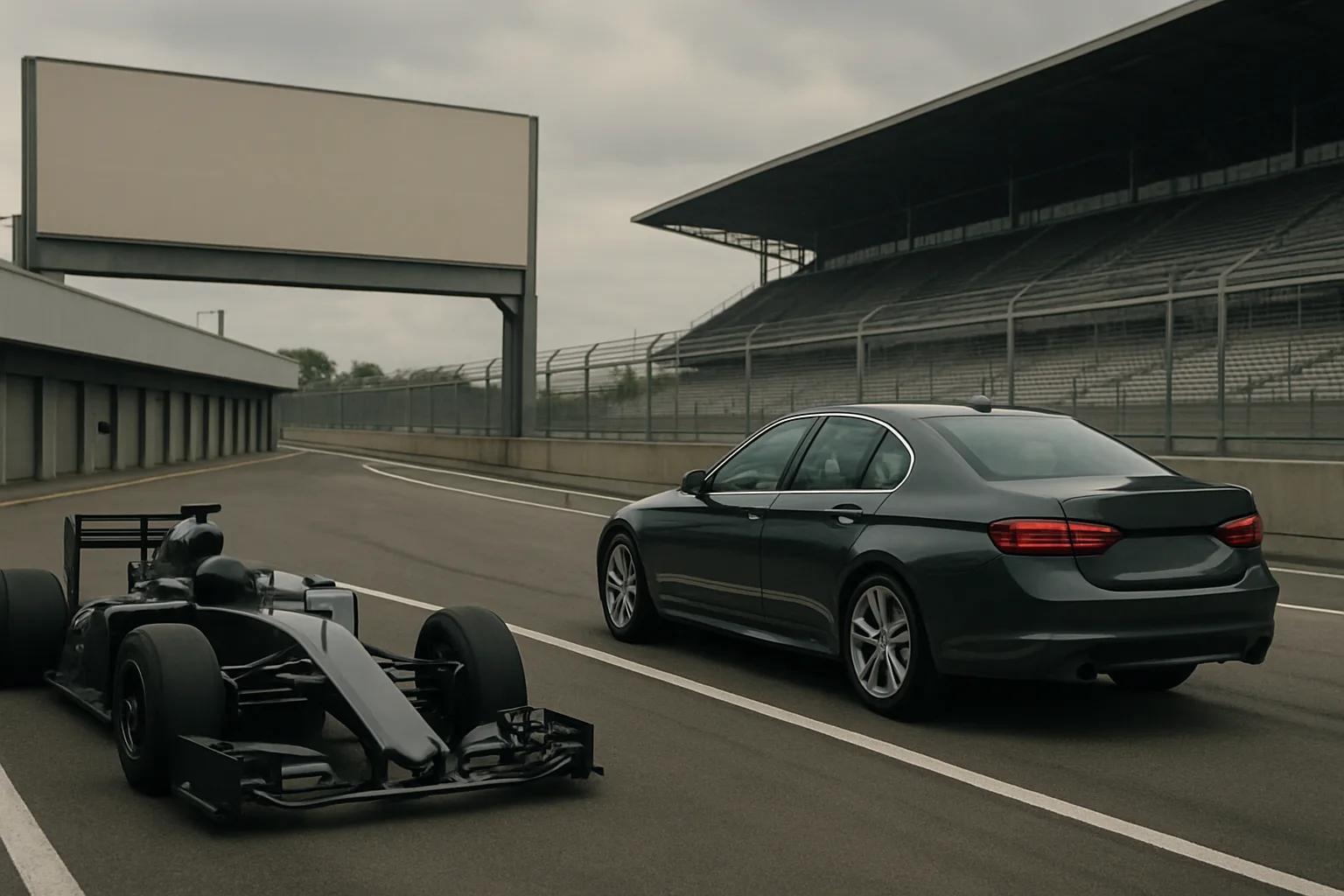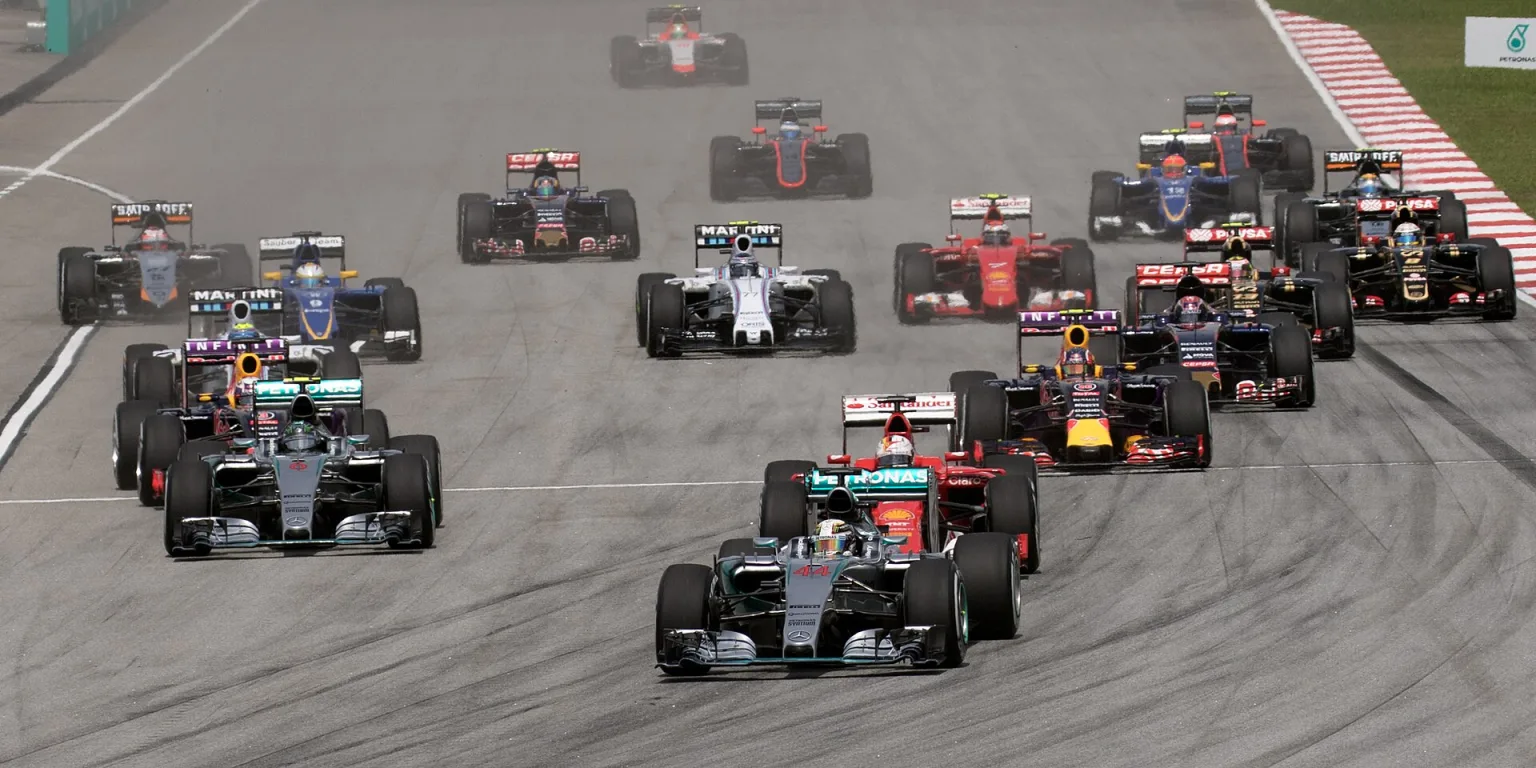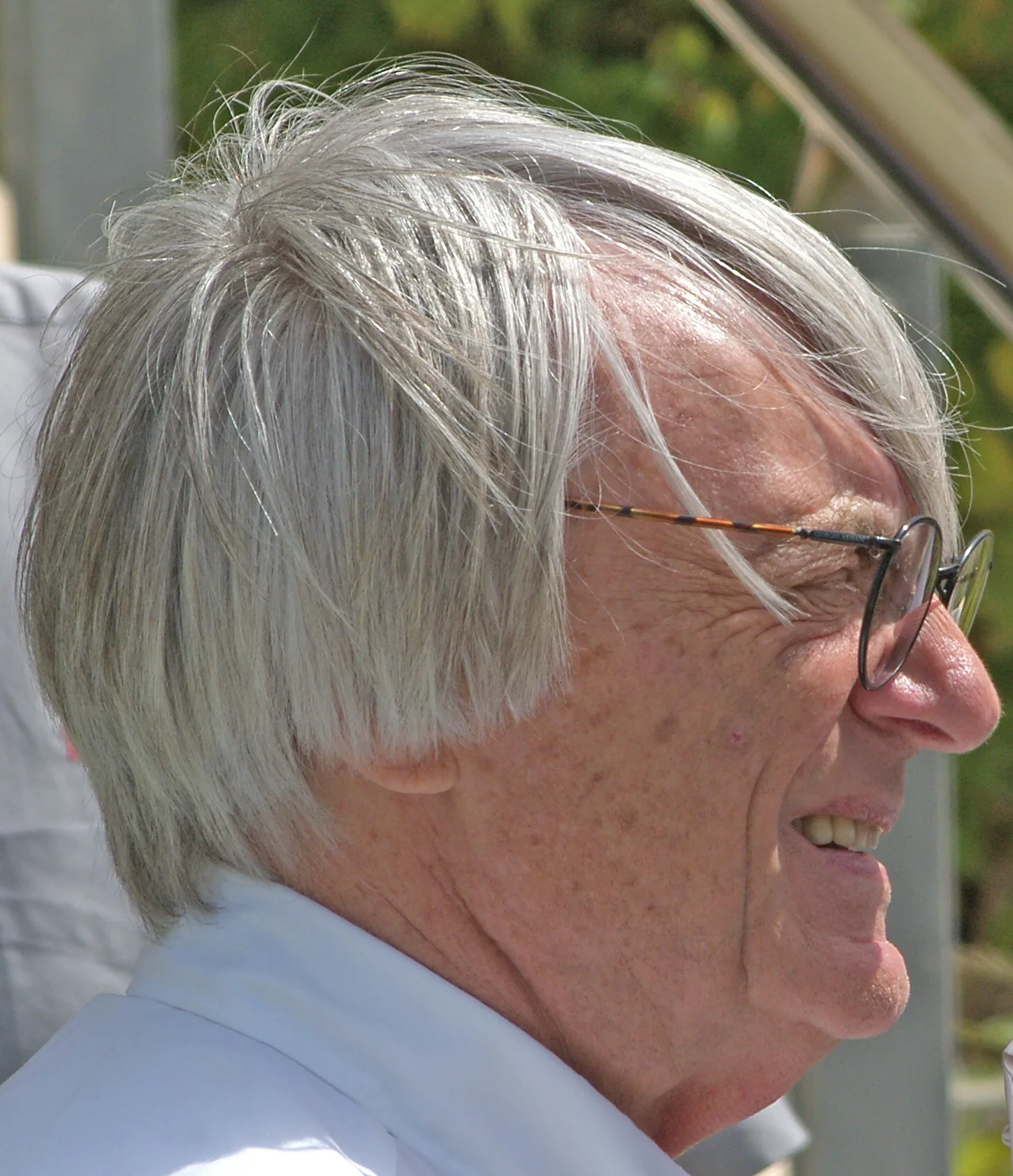
Ecclestone calls current Formula One a “crap product”
Bernie Ecclestone has criticised Formula One’s hybrid era, blaming complex regulations and predictable races for falling public interest in 2015.
Coverage tagged Regulation.
Page 8 of 14
Bernie Ecclestone has criticised Formula One’s hybrid era, blaming complex regulations and predictable races for falling public interest in 2015.
Goodyear has officially ruled itself out of the running for Formula One’s 2017-2019 tyre supply contract, leaving Pirelli and Michelin as the main contenders.
ACEA and major manufacturers argue that tightening post-2021 emissions targets will raise vehicle costs and harm global competitiveness, as EU governments debate stricter 2030 rules.
Major overseas pension funds have joined criticism of Toyota's proposal for unlisted 'Model AA' shares, arguing the move disadvantages foreign investors ahead of the company's June 2015 annual meeting.
The US safety regulator has moved aggressively in 2015, compelling Takata to recall 34 million airbags and scrutinising Fiat Chrysler’s recall practices.
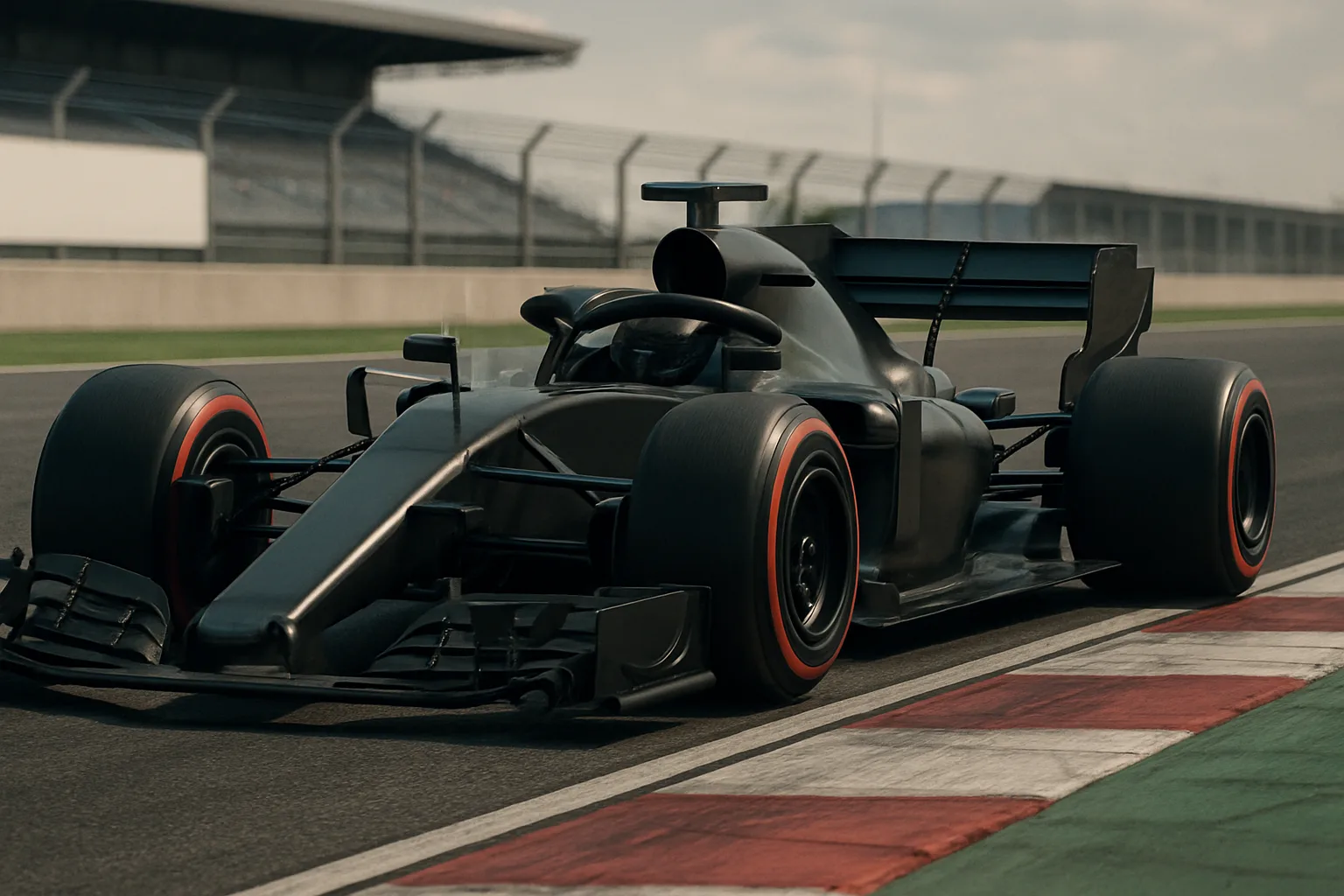
Formula One has approved new technical regulations for 2017 targeting cars up to six seconds a lap quicker, with wider tyres, increased aerodynamics and in-race refuelling set to return.
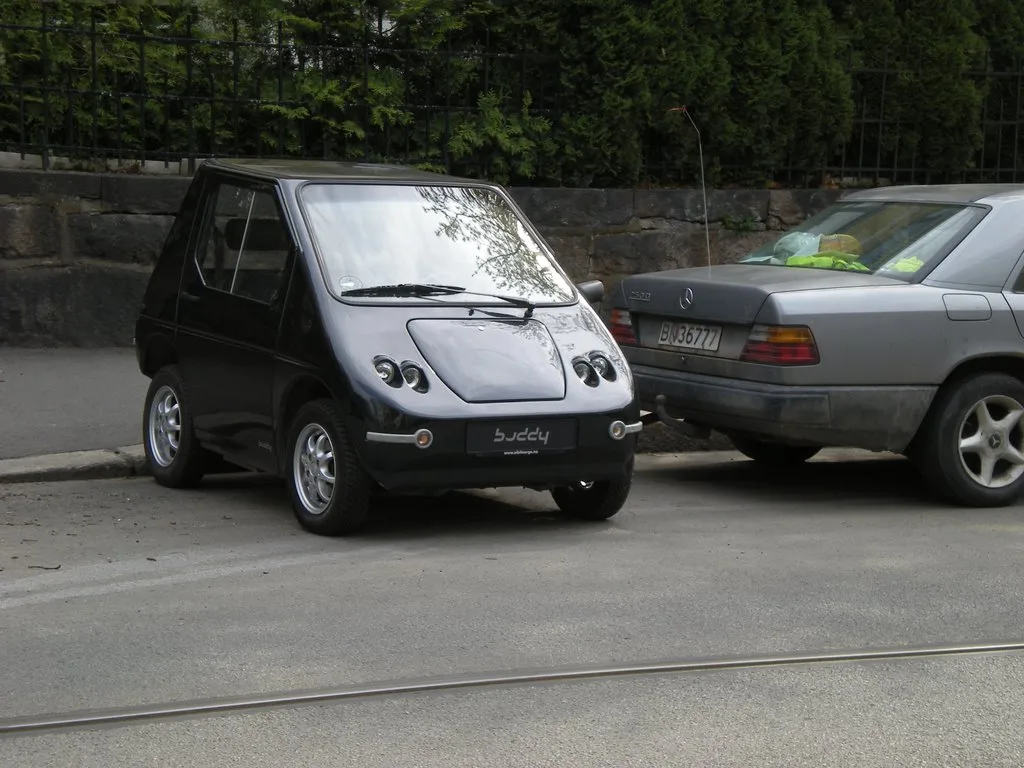
Norway's government will reconsider high car taxes for conventional vehicles but plans to keep generous electric vehicle subsidies, which have driven strong EV sales.
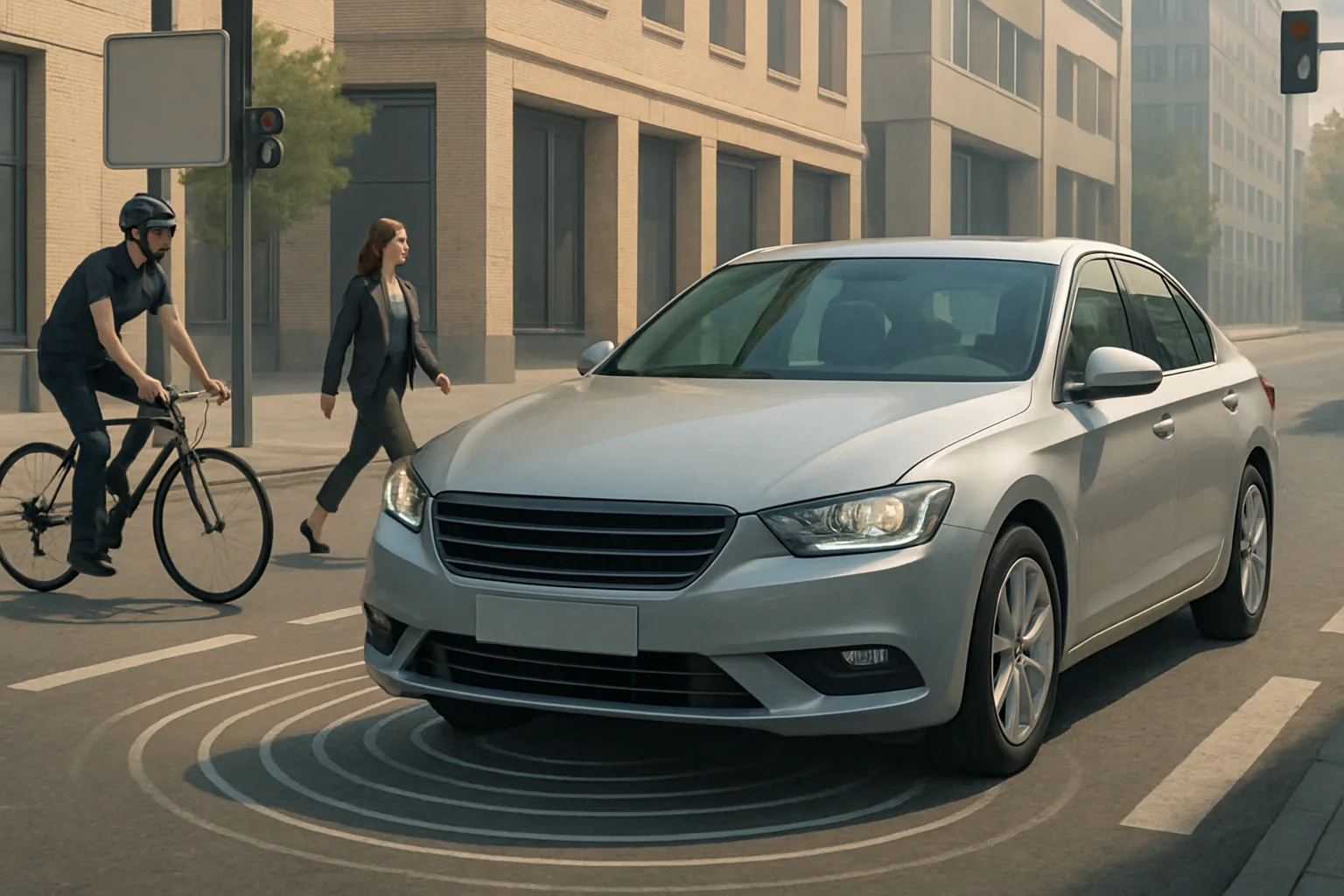
Automotive suppliers are rolling out new sensor and braking systems designed to detect and protect vulnerable road users, with European projects influencing future regulations.
French Economy Minister Emmanuel Macron says talks with Renault CEO Carlos Ghosn will continue, but the state will not back down from its double voting rights strategy.
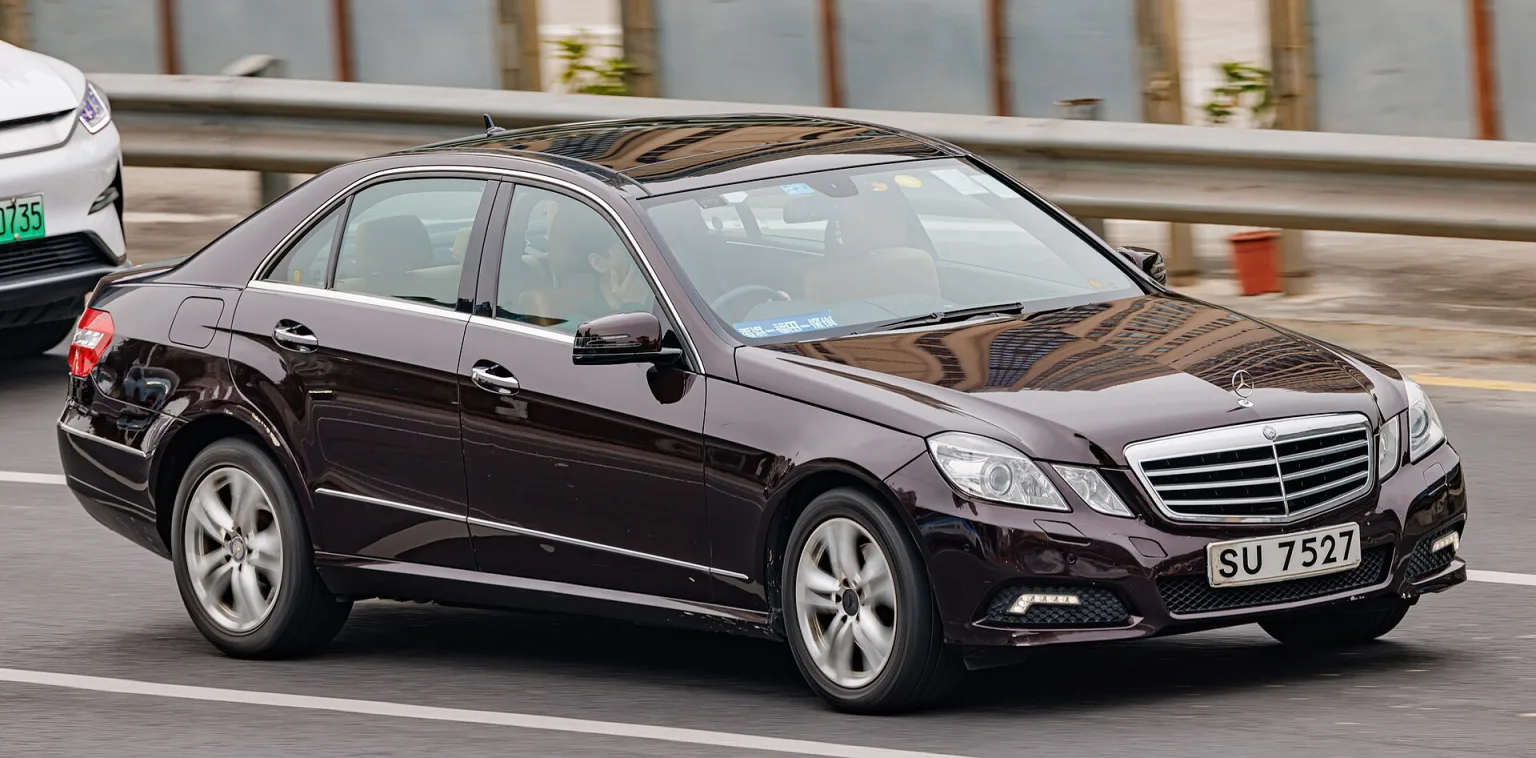
Jiangsu's pricing bureau penalises Mercedes-Benz and its dealers for imposing minimum prices on E-Class, S-Class and spare parts, escalating China's crackdown on foreign automakers.
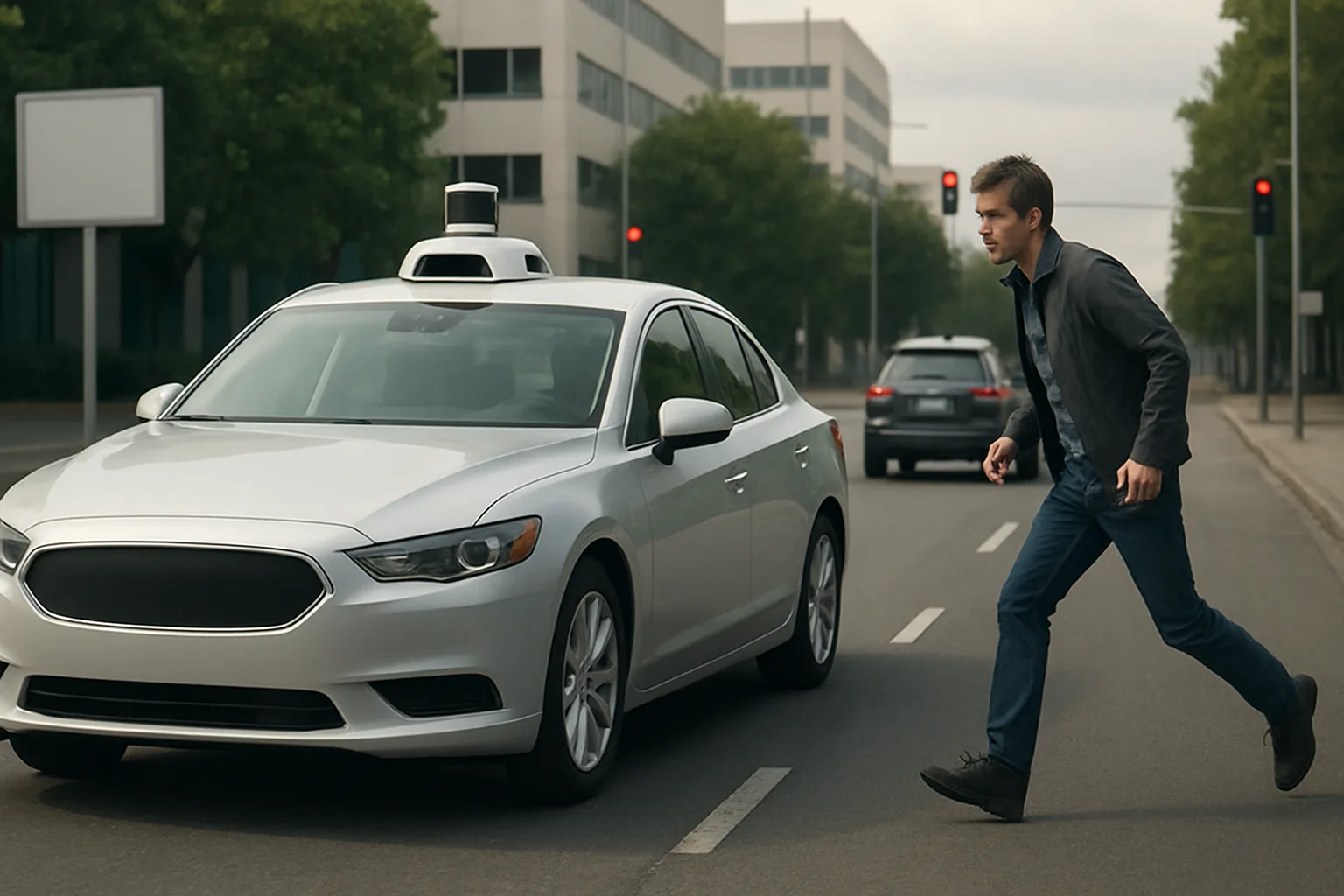
Engineering leaders at the SAE World Congress in Detroit agreed self-driving vehicles could cut traffic deaths, but warned that unpredictable incidents and regulatory challenges will persist.
Norway’s government is reviewing generous incentives for electric vehicles after sales surged past targets, raising concerns about lost tax revenue and the impact on public finances.
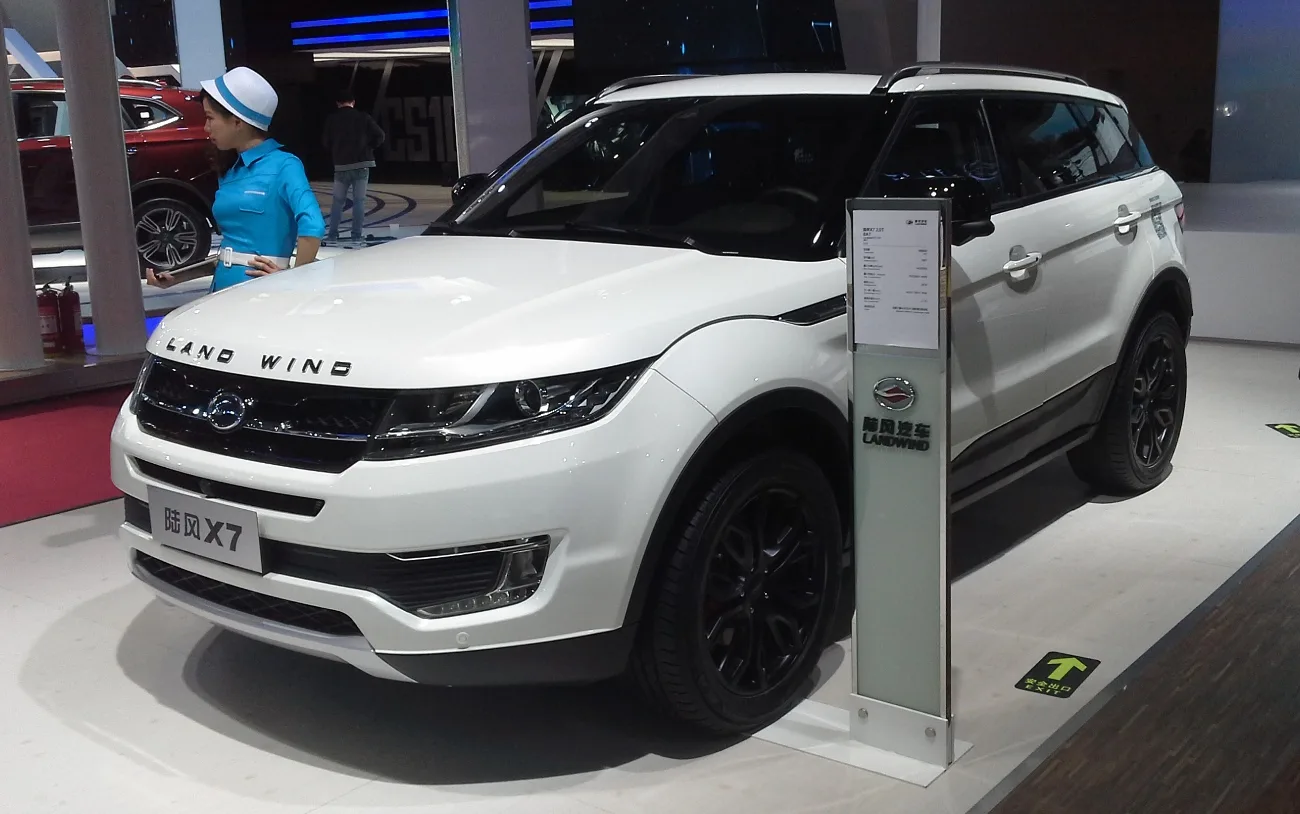
Jiangling Motors has launched the Landwind X7 SUV in China, a model closely resembling the Range Rover Evoque, with Jaguar Land Rover unable to block its sale due to local law.
Bernie Ecclestone has publicly blamed Mercedes boss Toto Wolff for blocking changes to Formula One’s hybrid engine regulations, warning he will not let the sport be destroyed by what he calls selfish interests.
Uber is negotiating an investment or partnership with Chinese carpooling app Dida Pinche as it seeks a foothold in a market dominated by Didi and Kuaidi.
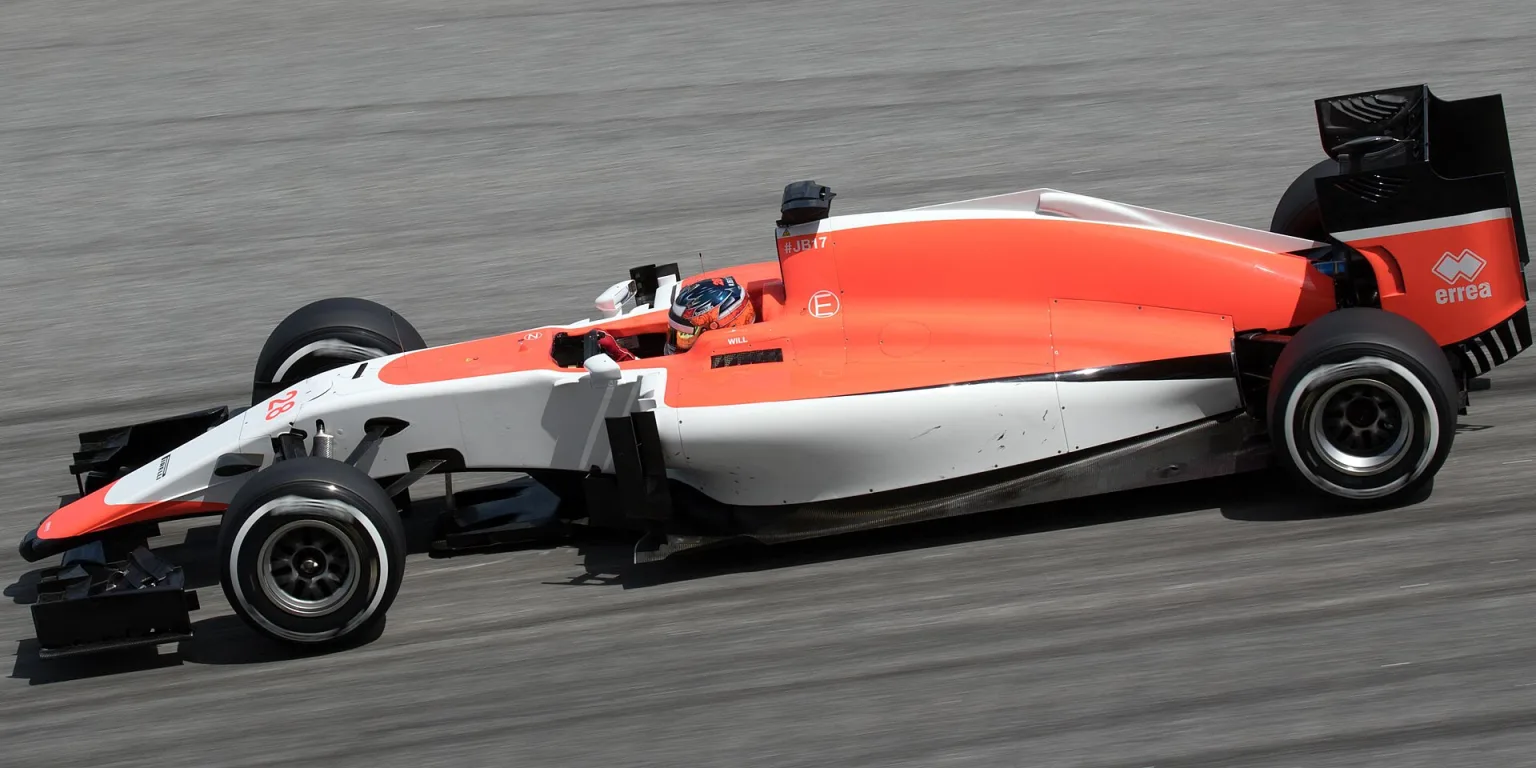
After failing to participate in Australia, Manor is under explicit instruction from F1 authorities to field both cars in Malaysia or risk severe penalties.
NHTSA chief Mark Rosekind signals the agency’s intent to shape policy on autonomous driving, connected cars and new safety technology as the US car market faces rapid change.
Berlin has suspended its proposed tax breaks for corporate electric car buyers after failing to win support from state governments concerned about lost revenues.
A proposed class action filed in San Francisco alleges Uber failed to protect driver data and delayed disclosure after a breach affecting 50,000 drivers.
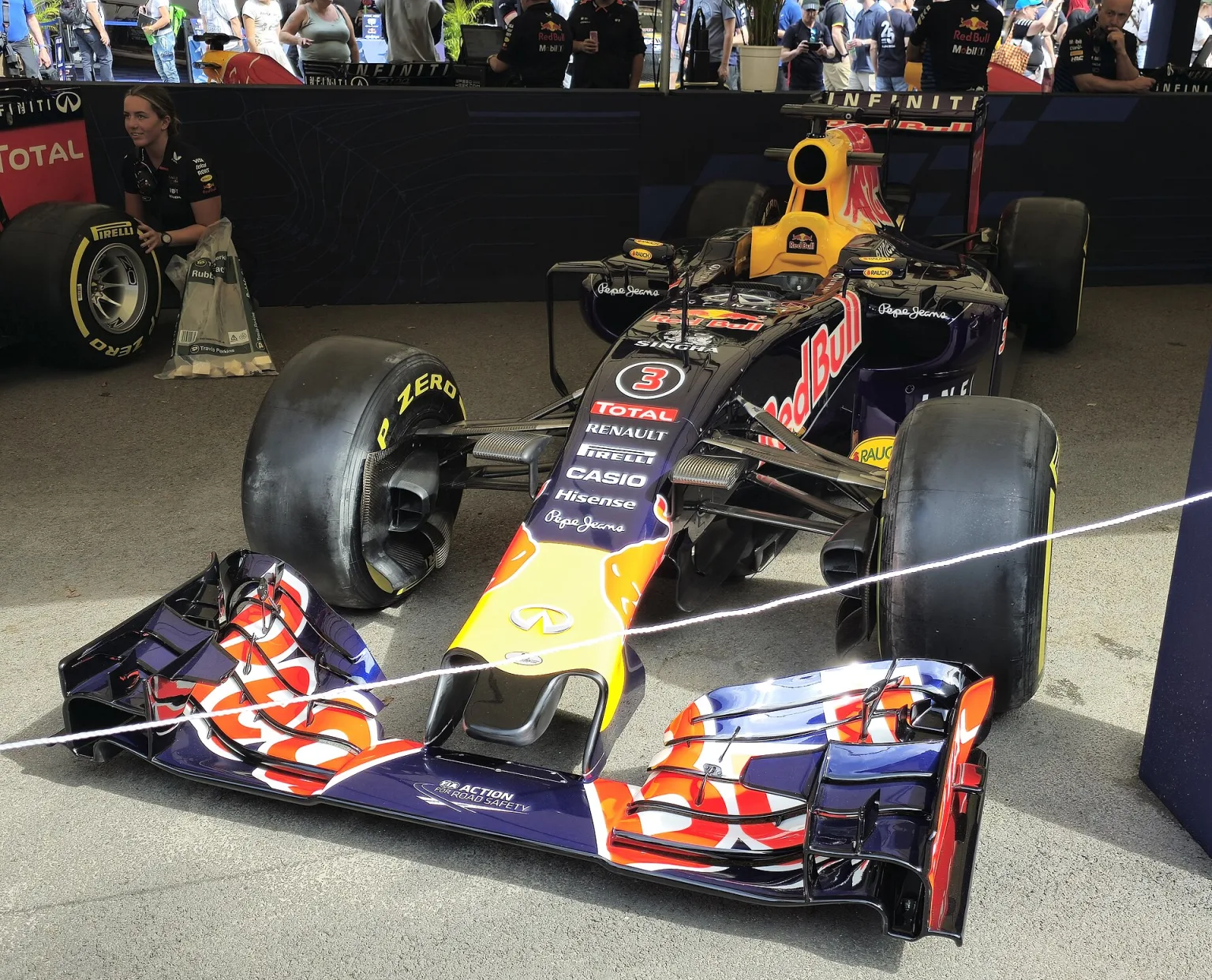
Red Bull has warned it may quit Formula One after a disastrous start to 2015, blaming Renault's underperforming power unit and calling for FIA intervention.
Senators have advanced legislation to reward auto industry insiders who reveal safety defects or legal violations, following a year of record recalls.
Felipe Massa and Niki Lauda have publicly supported Formula One’s new rule limiting drivers to one helmet design per season, a measure aimed at improving trackside recognition.
A consultancy review for the FIA claims F1 teams could cut annual expenditure by 50 percent without harming the quality of racing, highlighting engine and operational savings.
Audi’s piloted driving prototypes have completed autonomous journeys on US roads and race circuits, but legal and commercial hurdles remain before buyers see production-ready systems.