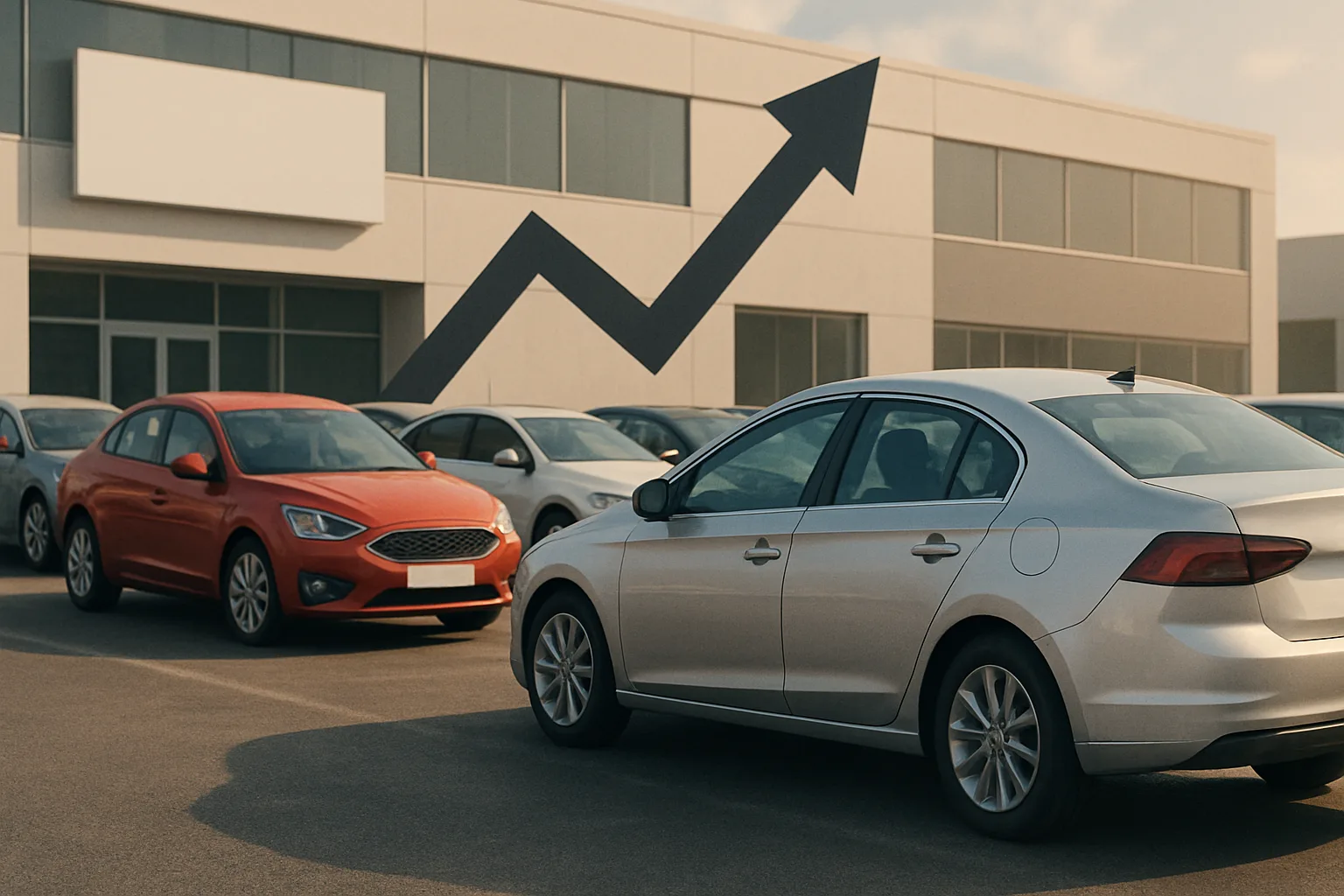
Western European car sales rise 4% in June, led by southern markets
New car registrations in Western Europe reached 1.15 million in June 2014, with strong gains in Spain and the UK offsetting a dip in Germany.


Coverage tagged Sales figures.
Page 2 of 20
New car registrations in Western Europe reached 1.15 million in June 2014, with strong gains in Spain and the UK offsetting a dip in Germany.
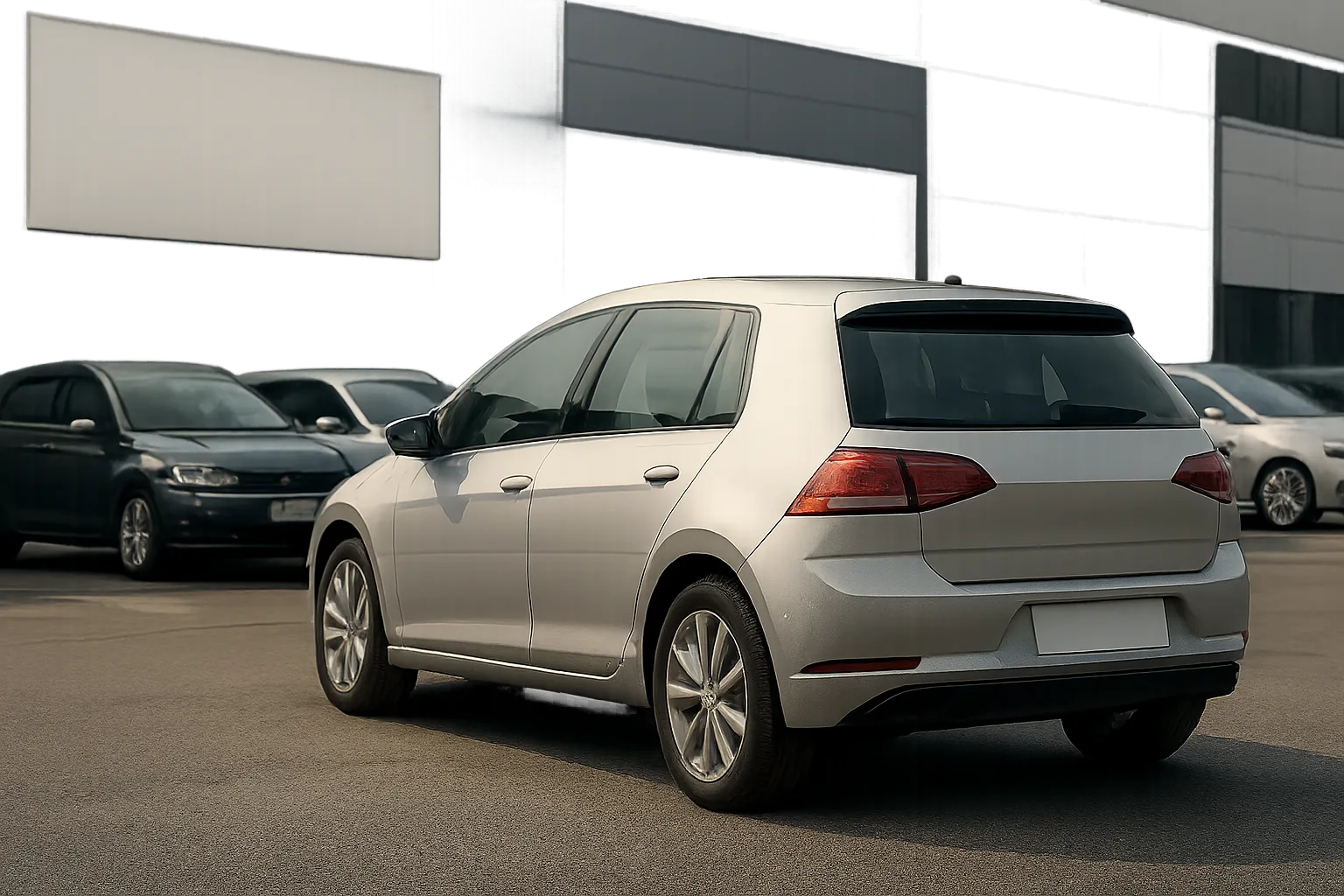
Volkswagen’s share of new car registrations in the European Union fell from 26.1% to 25.2% in October 2015, following the Dieselgate emissions scandal.
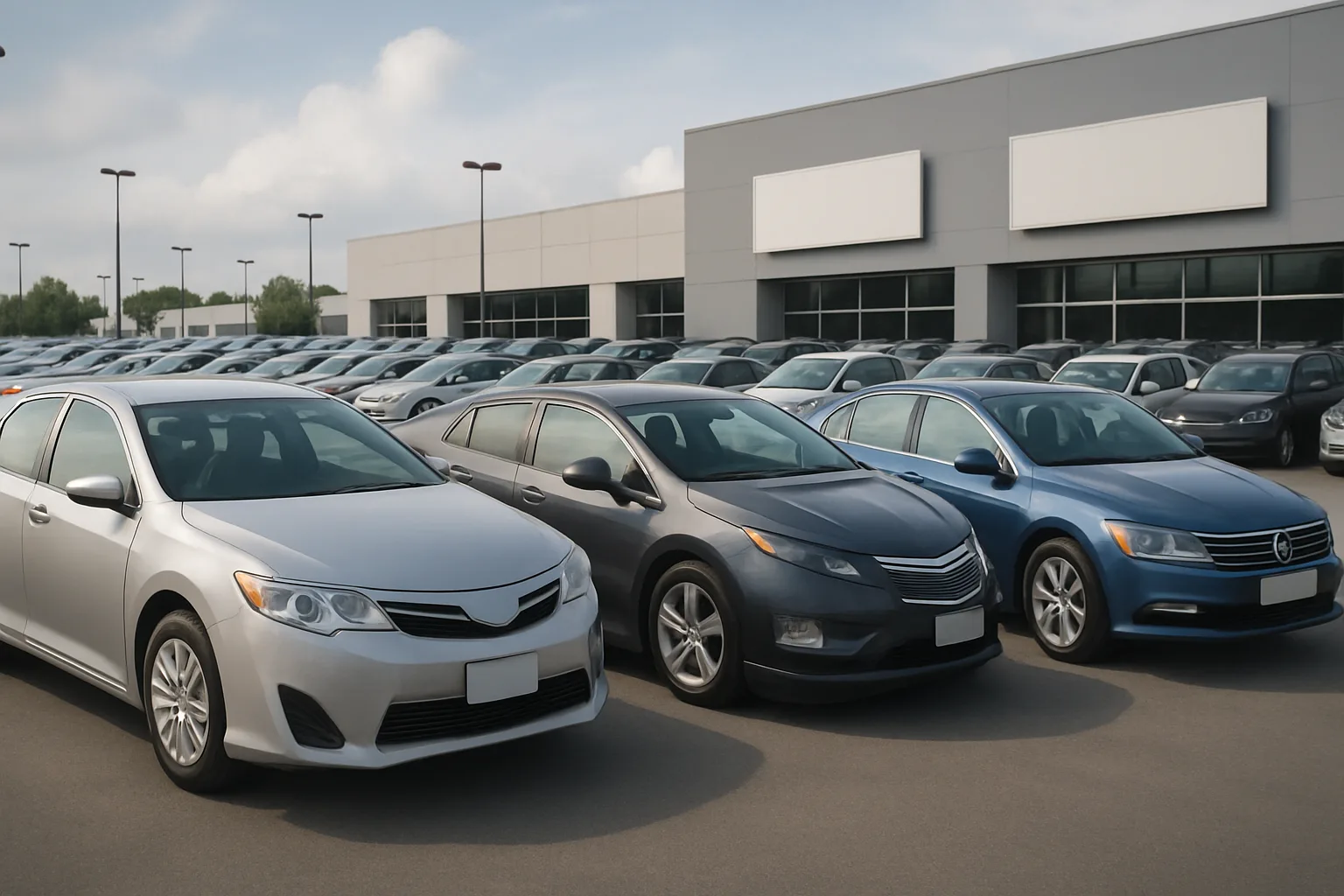
Industry analysts expect worldwide car sales to reach 71 million units in 2013, with Toyota, GM and Volkswagen locked in a close race for the top spot.
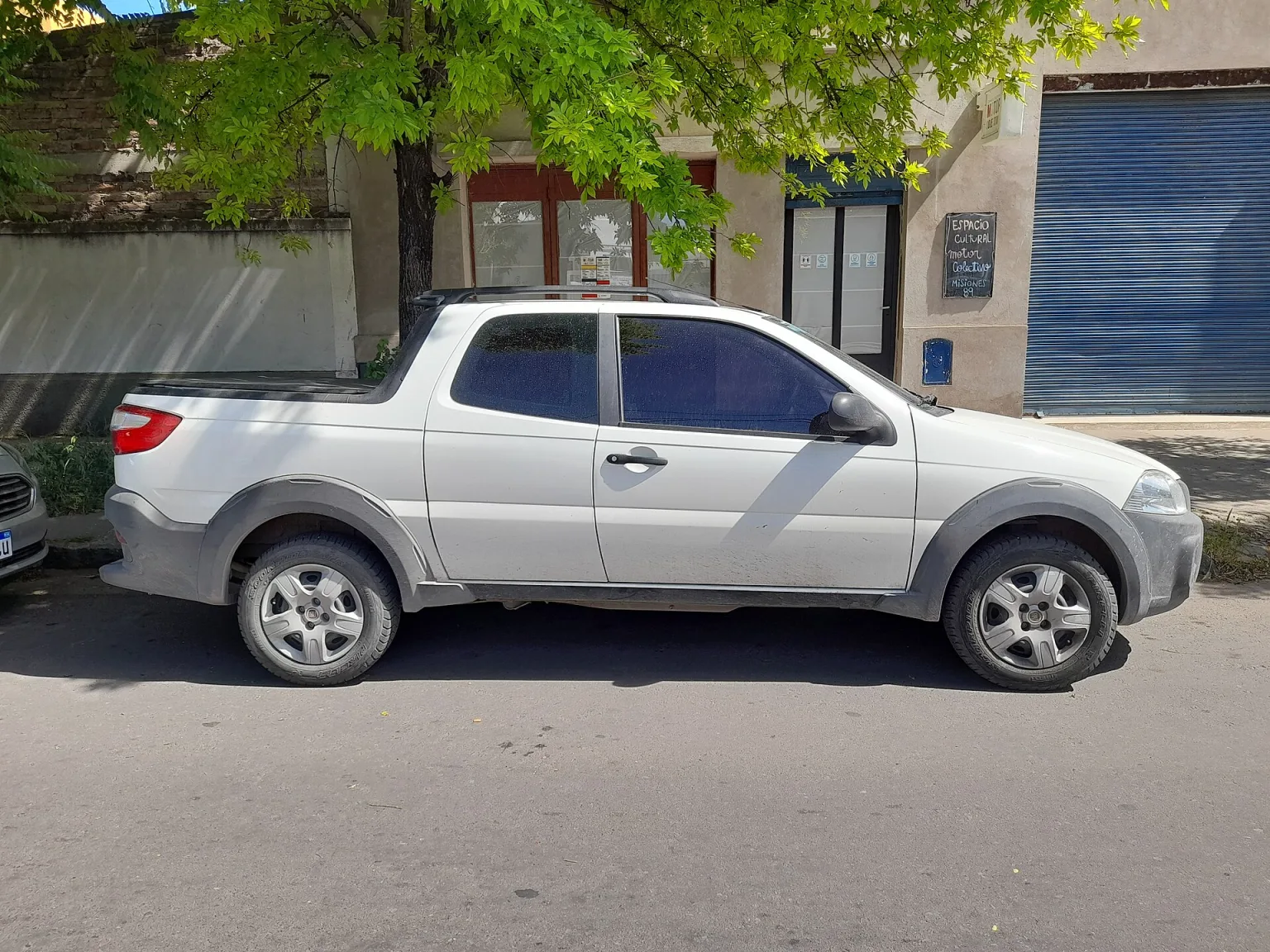
Fiat has launched the Strada pick-up in Italy, offering three trims, a single 1.3 Multijet diesel engine, and payloads up to 705 kg.
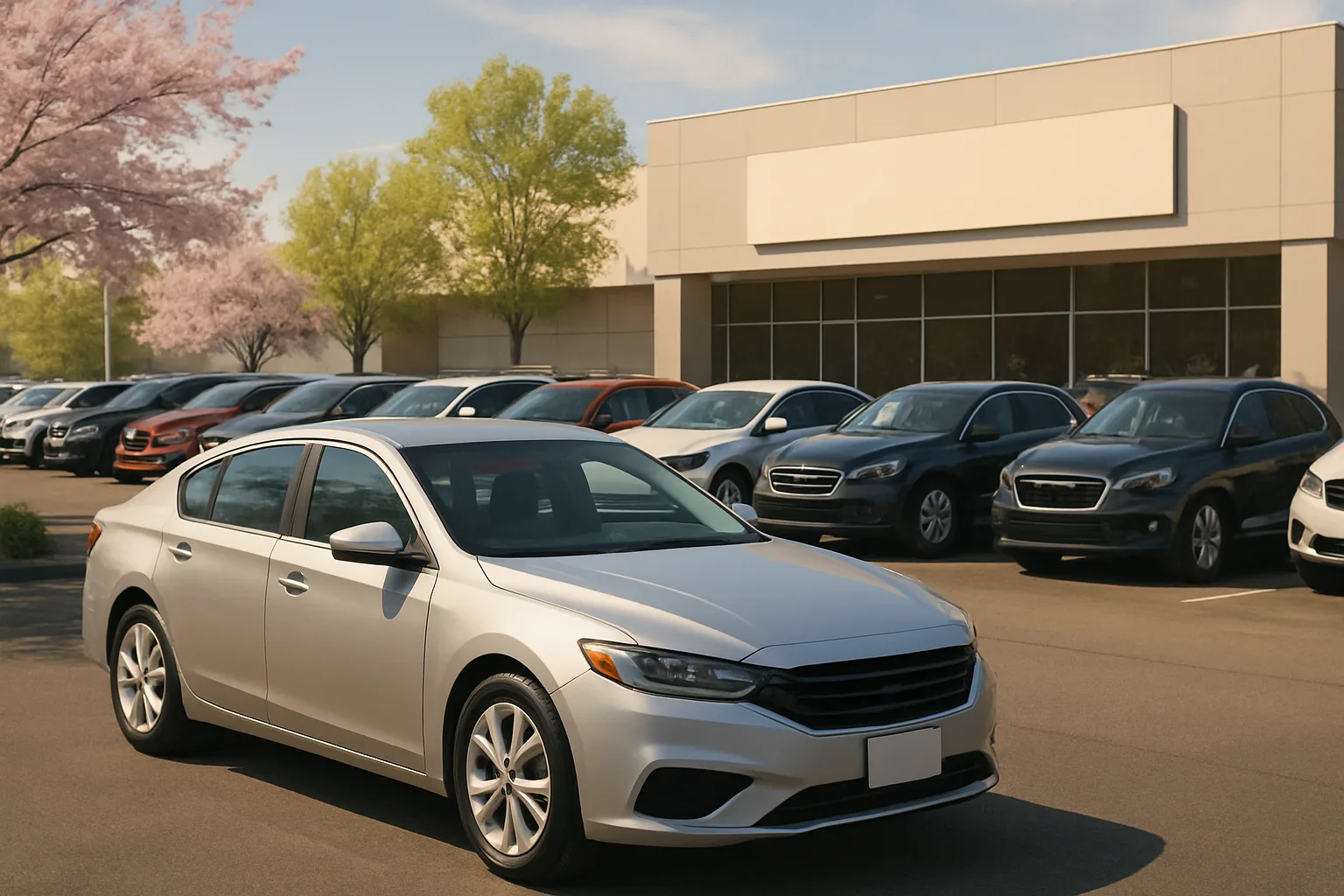
US new car sales in April 2014 approached a 16 million annualised rate, driven by warmer weather, rising consumer confidence and increased incentives.
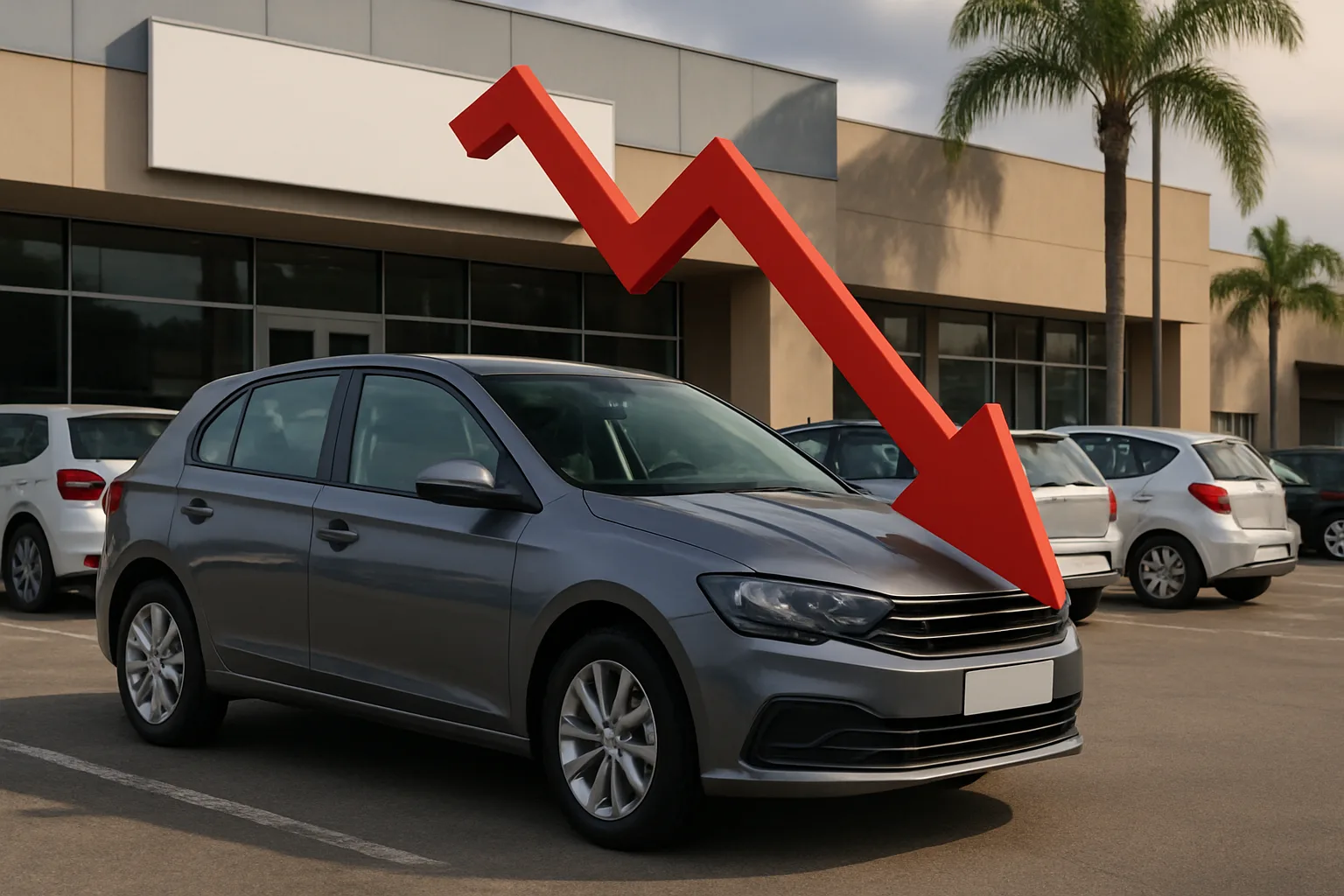
Brazilian car and light truck sales fell by 6.6% in February, with the Carnival holiday period contributing to a nearly 9% year-on-year decline.
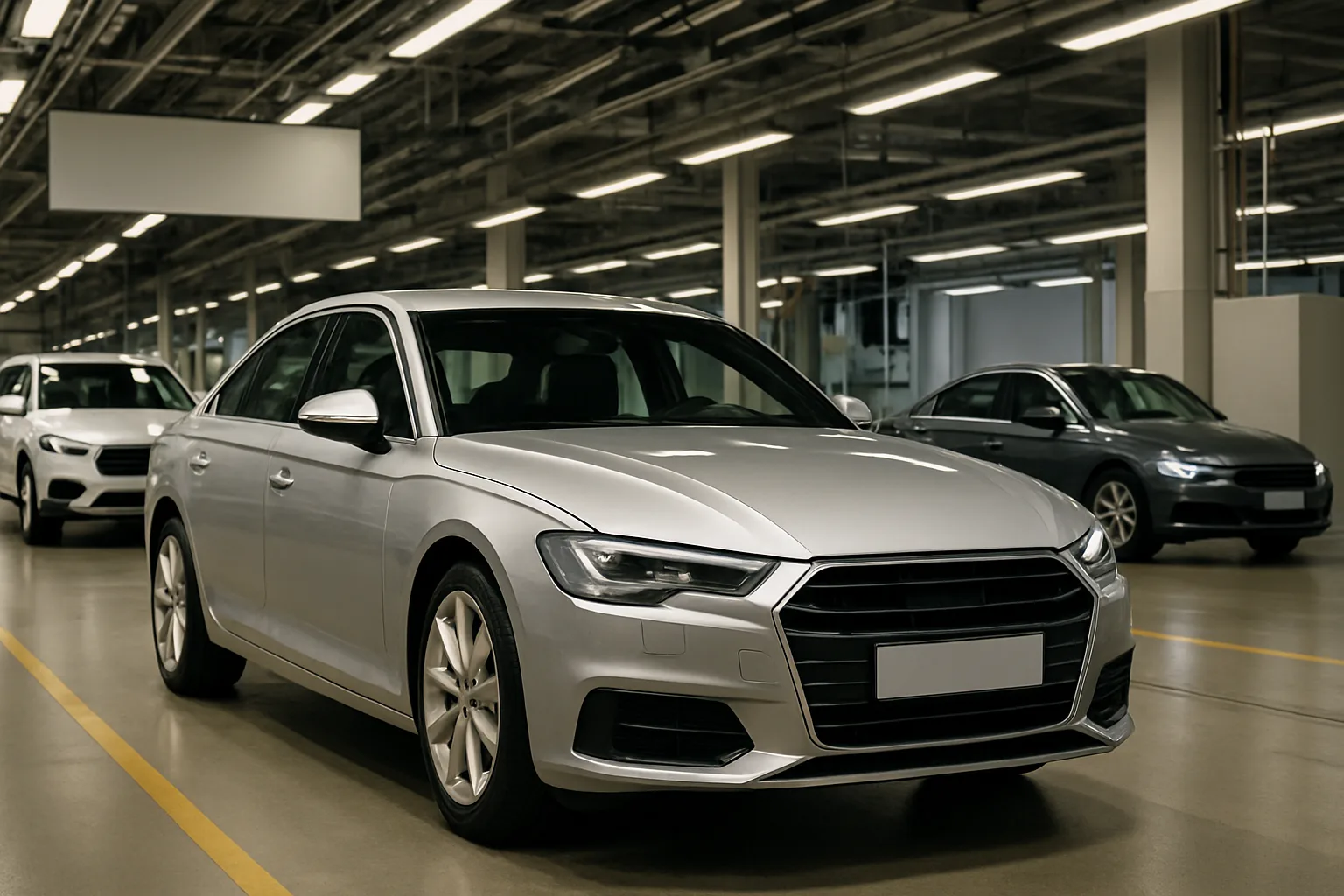
Germany’s automotive industry posted record sales and production in 2011, with strong demand in China and the US offsetting weaker results in Western Europe.
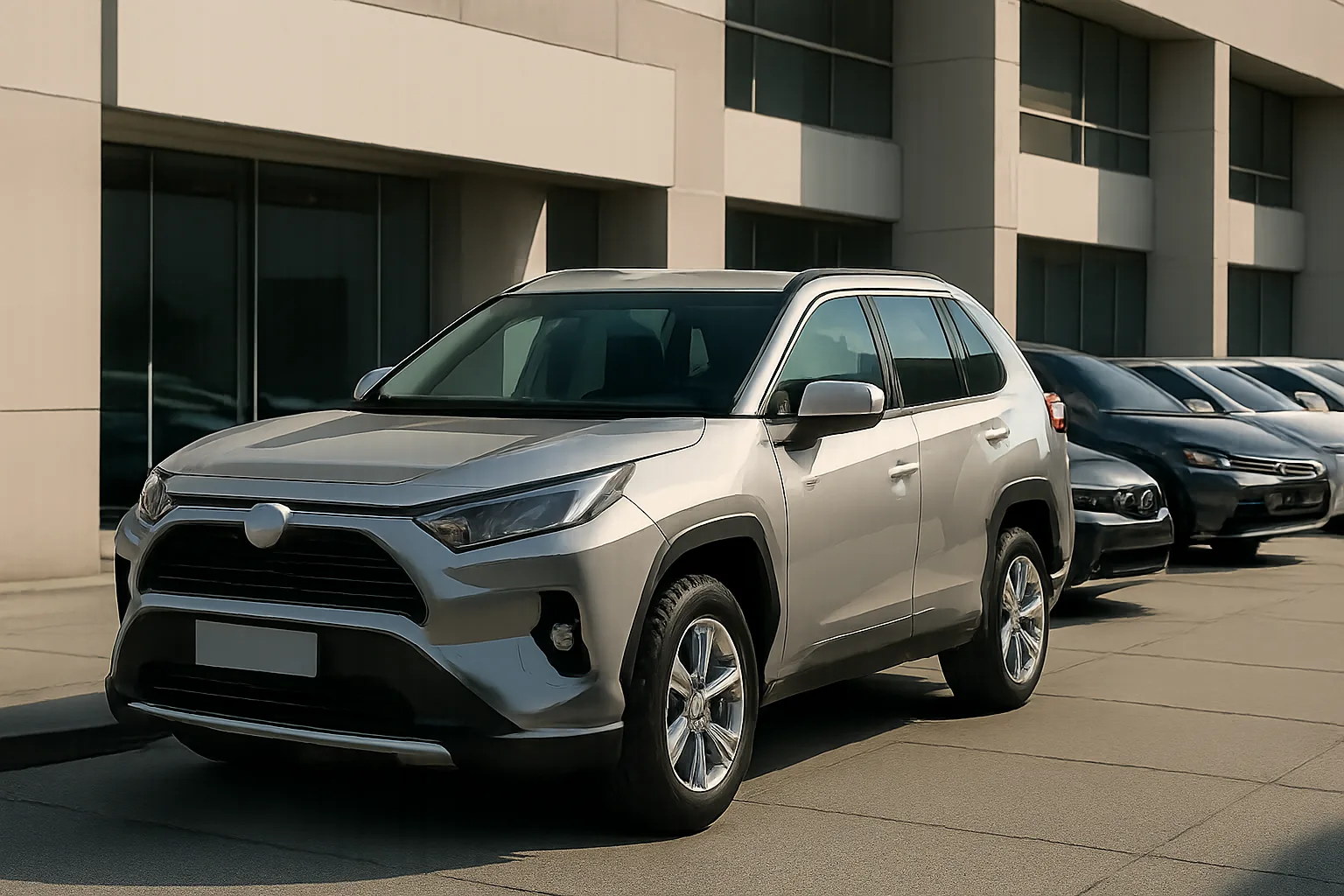
A surge in demand after the Lunar New Year holiday lifted Toyota’s February 2012 sales in China, helping offset a slow start to the year.
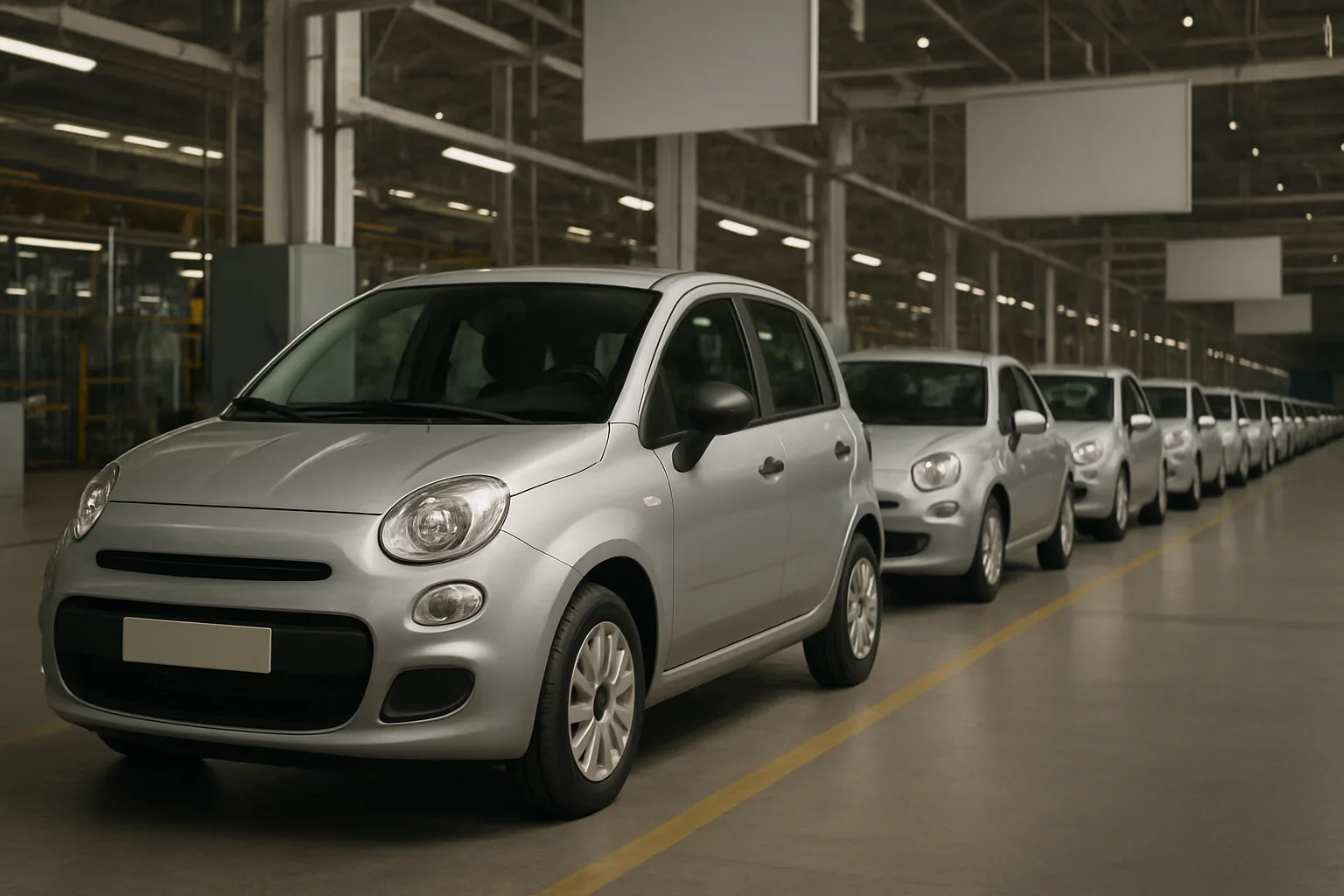
Fiat will reduce its European vehicle output by 300,000 units in 2012, responding to falling demand and overcapacity across the continent's car market.
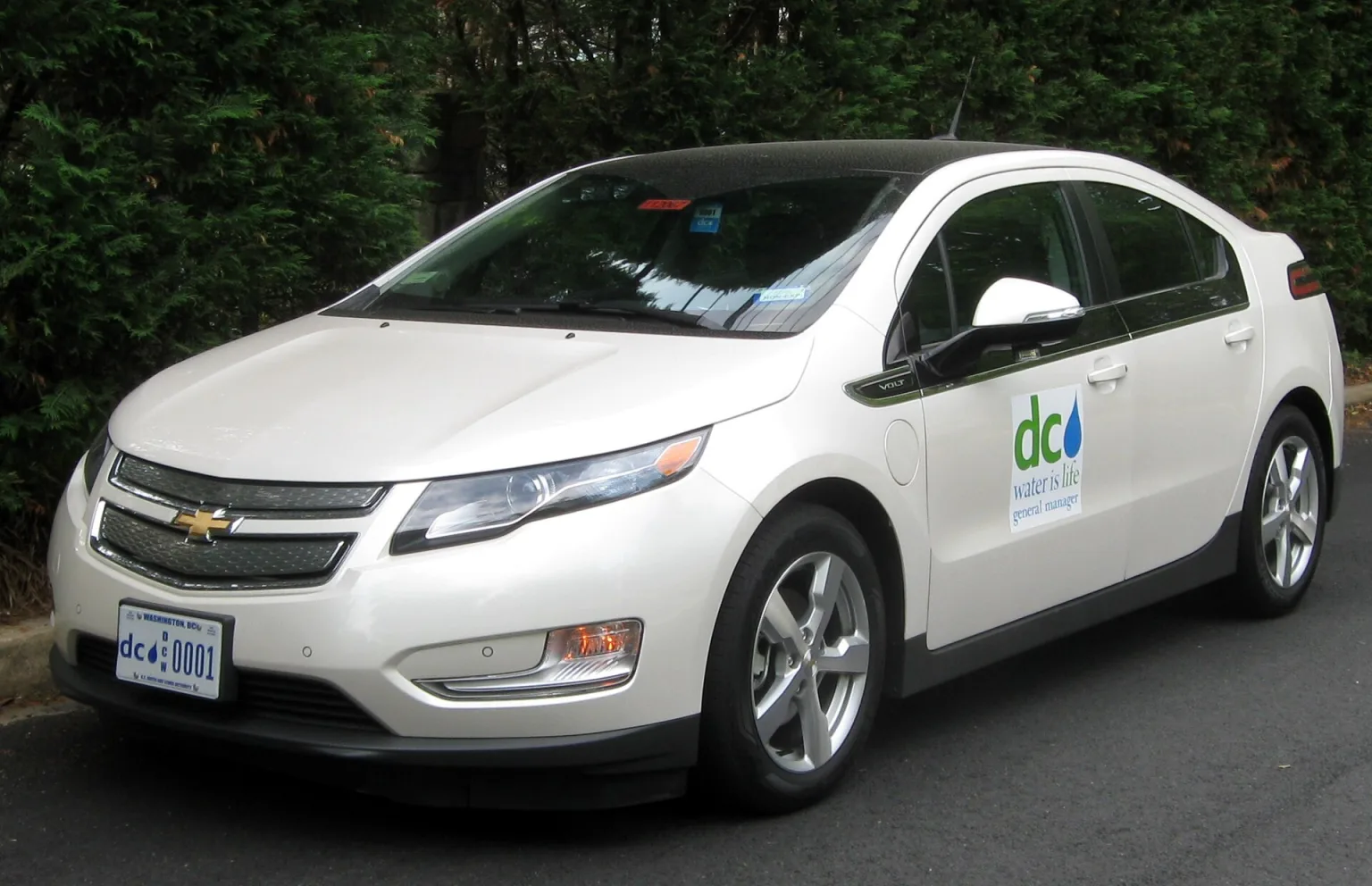
Chevrolet Volt production has been suspended for a second time since launch, raising doubts about CEO Dan Akerson’s claims of progress at General Motors.
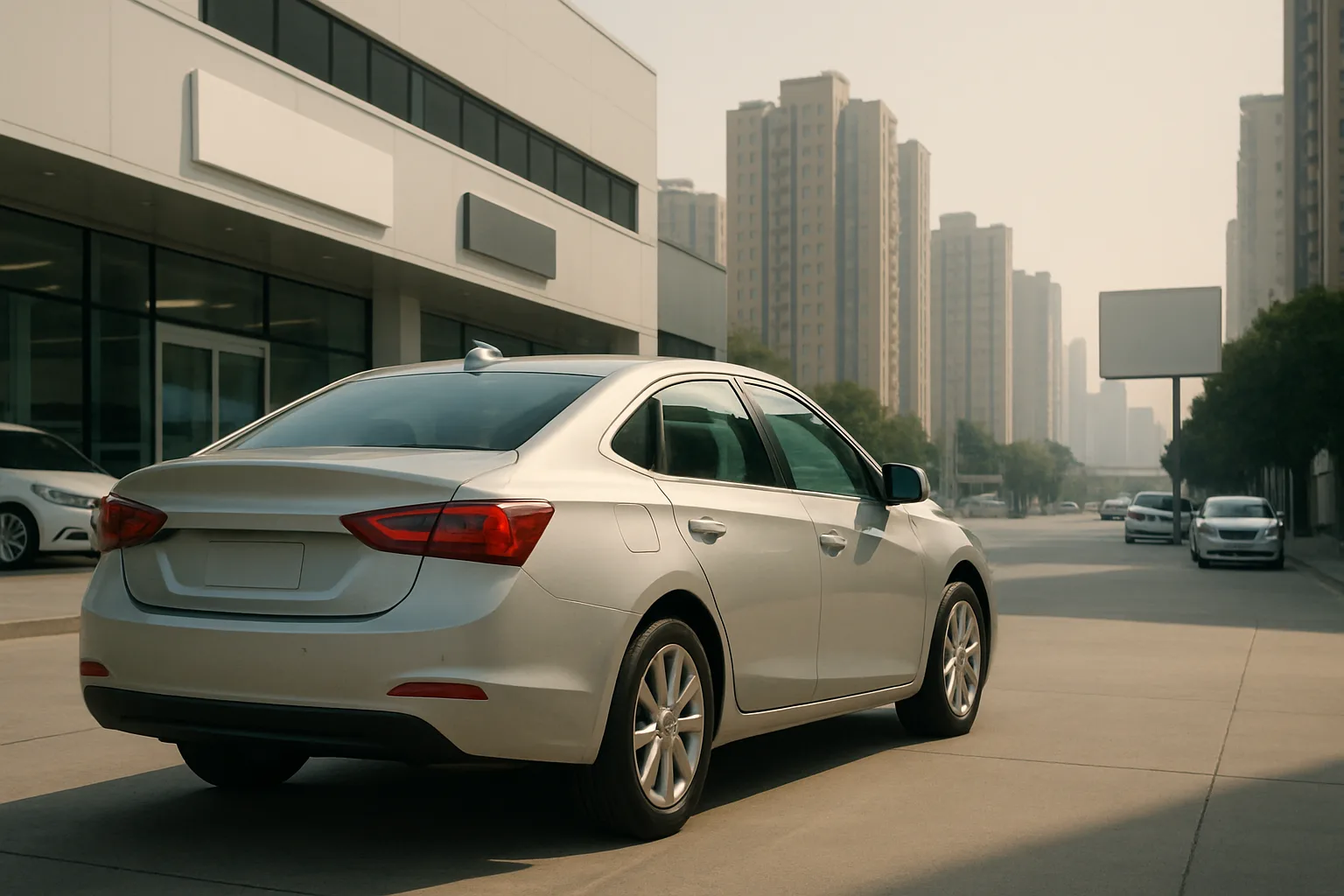
General Motors expects China's car market to expand by up to 10 percent in 2012, signalling continued strength despite global economic uncertainty.
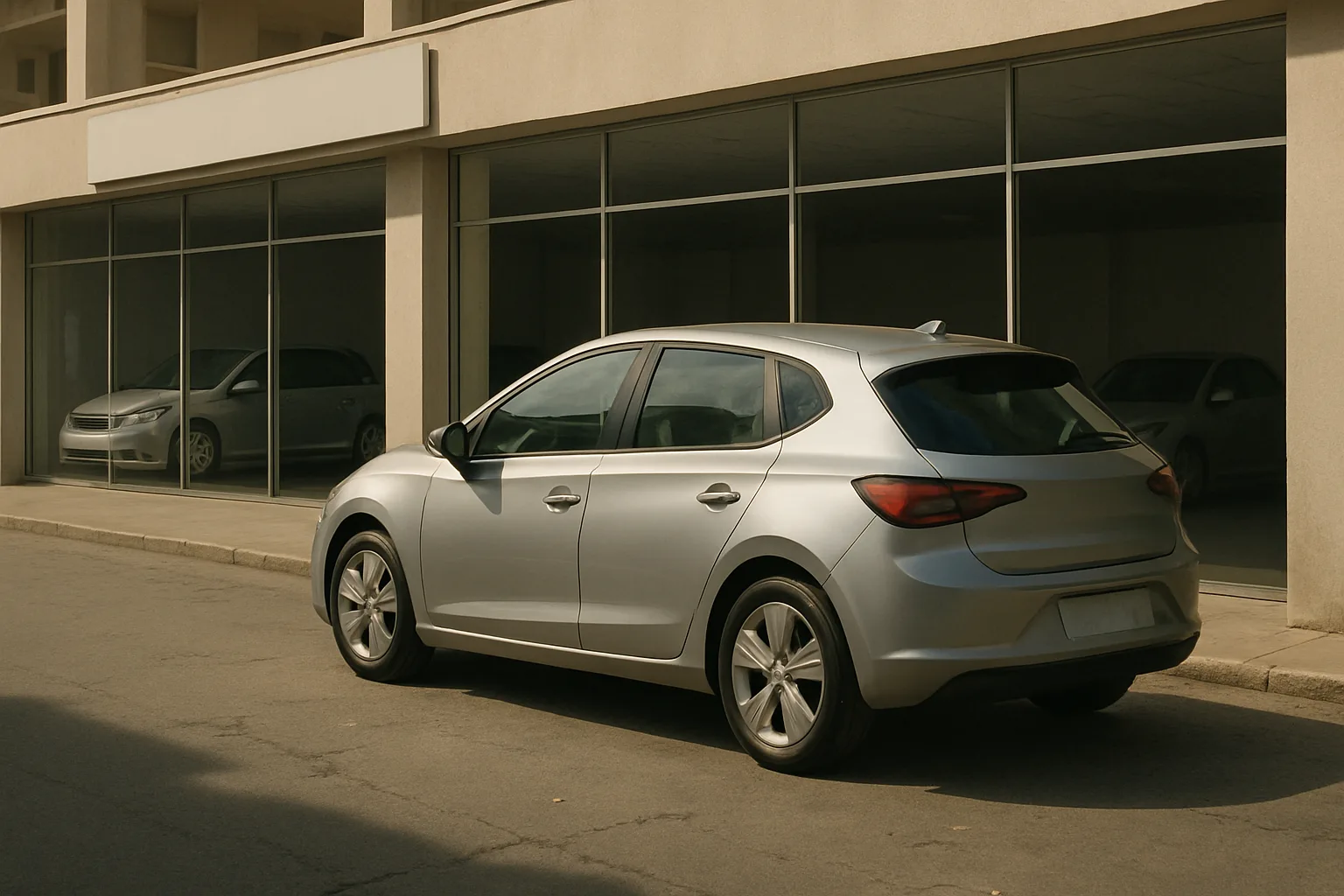
October saw new car registrations in Greece fall to their lowest in more than 25 years, highlighting the severity of the country’s economic crisis.
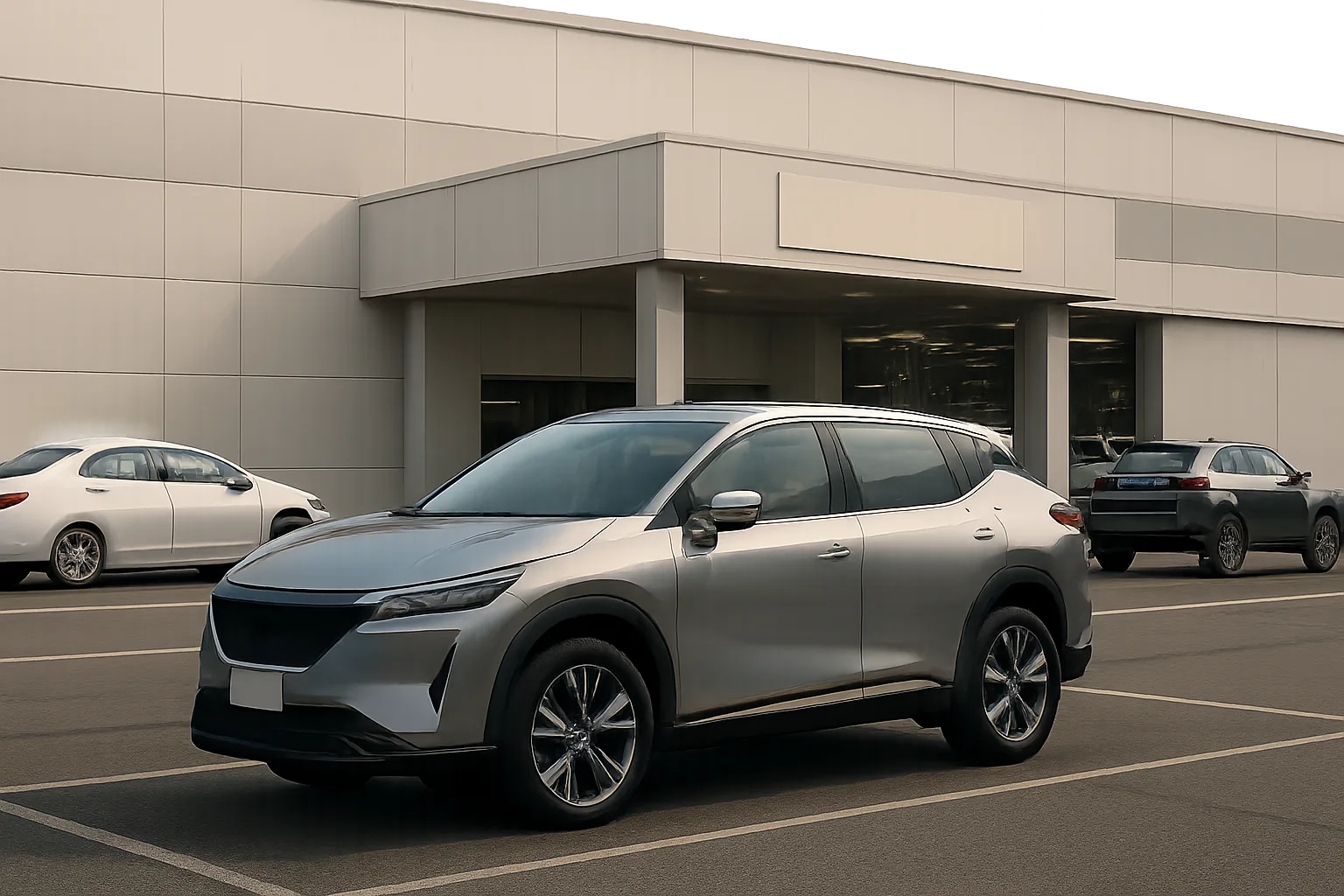
Nissan has published its production, sales, and export results for June and the first half of 2026, offering a snapshot of its position in a shifting global market.
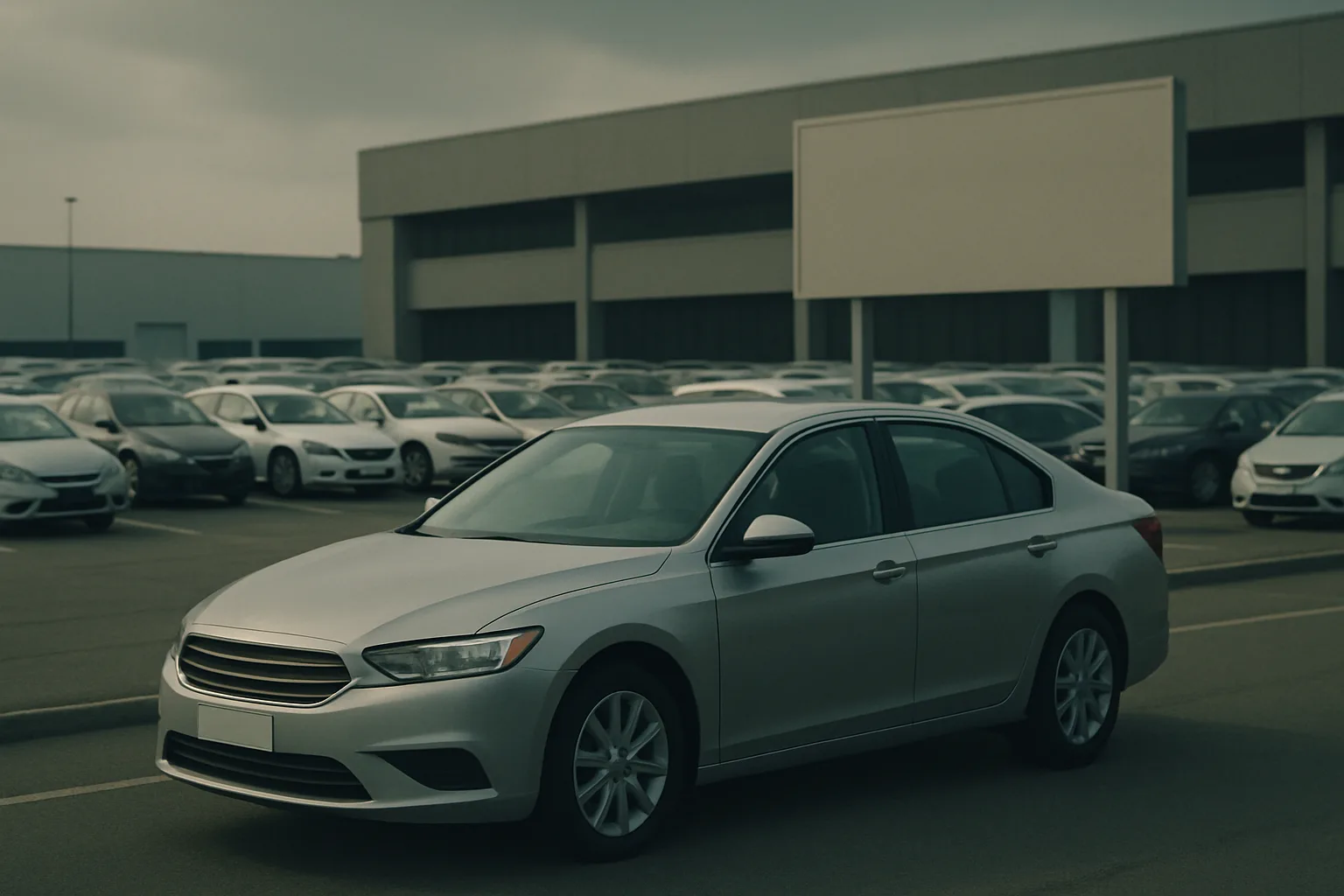
Carmakers in the US, Europe and Asia slashed output, cut jobs and scrambled to shift product mixes as the financial crisis hammered global demand in late 2008.

Geely’s $11bn investment in Volvo has not only turned around the Swedish brand’s fortunes but also set a template for the Chinese group’s international expansion and technological progress.
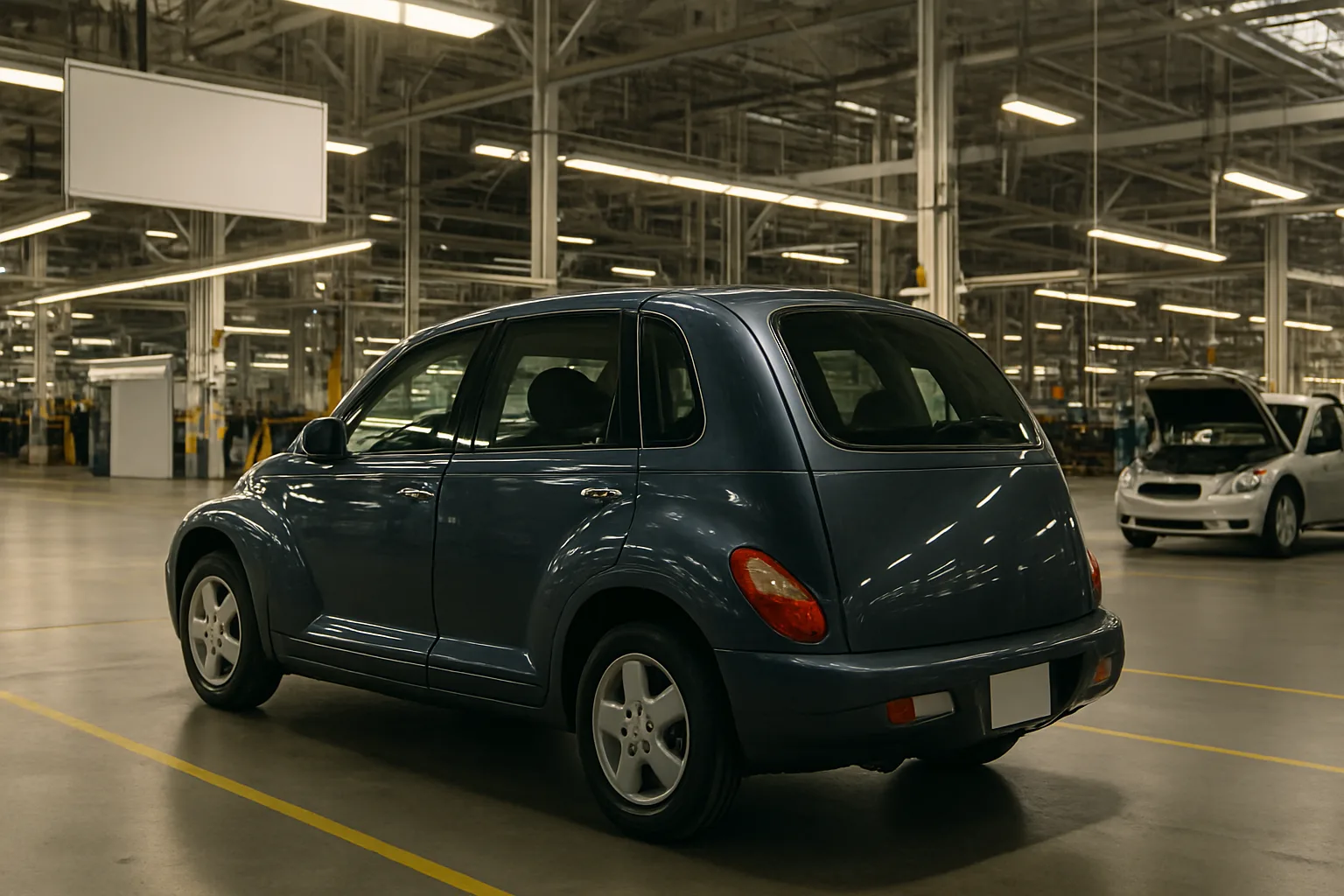
The final PT Cruiser left Chrysler’s Toluca, Mexico plant in July 2010, closing the chapter on a car that once defined retro design and mass-market appeal.
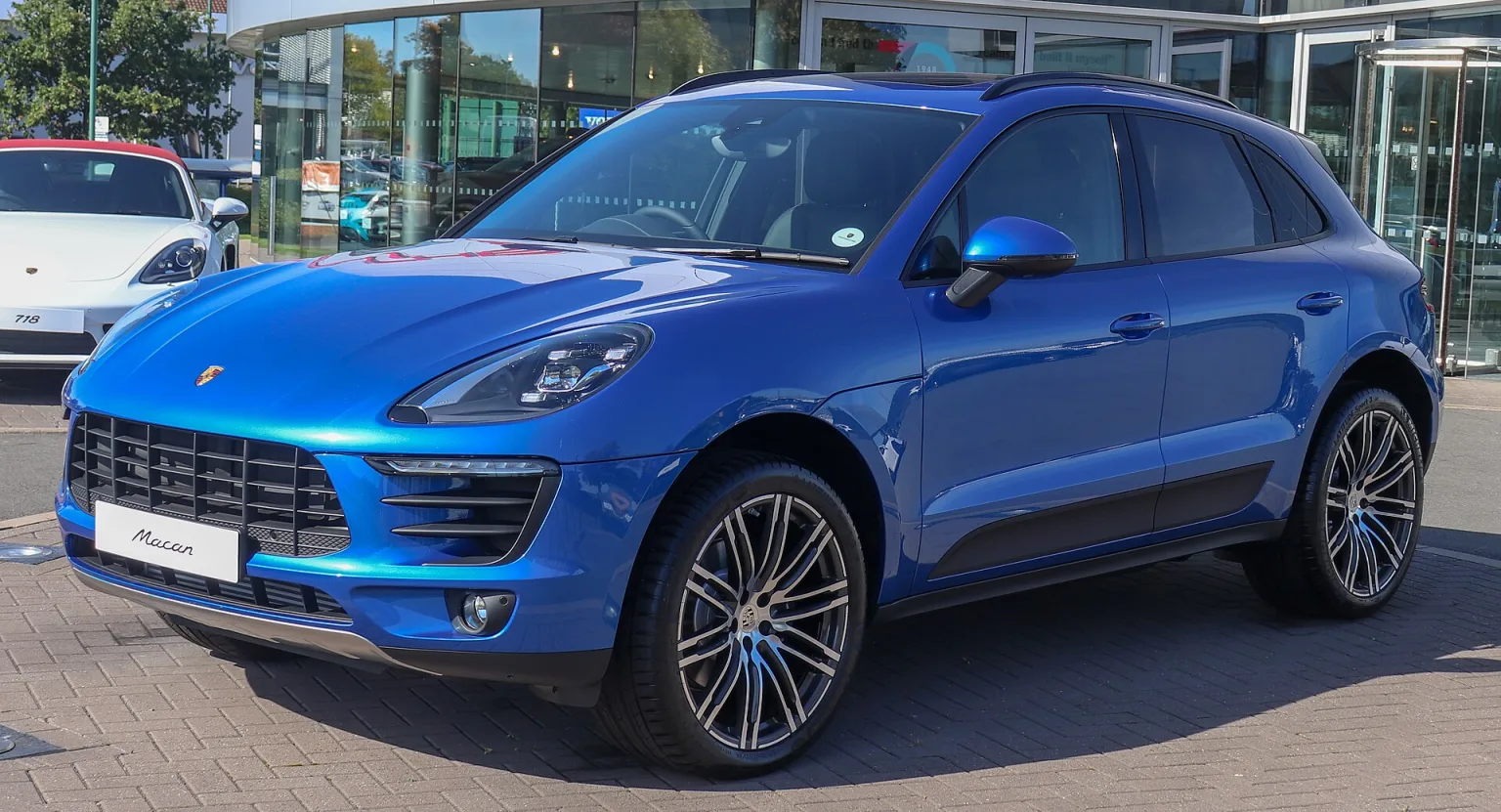
Porsche delivered 57,202 vehicles in the US in 2018, setting a new record and marking nine consecutive years of growth, with the Macan leading the range.

Ferrari’s track-only FXX K hypercar now regularly fetches over £4.8 million, with rare Evo models exceeding £6 million in recent European sales.

A one-day 'Midnight Sale' saw Ford India sell 4,000 vehicles across 123 cities, using extended hours and gifts to boost footfall during a slow sales period.
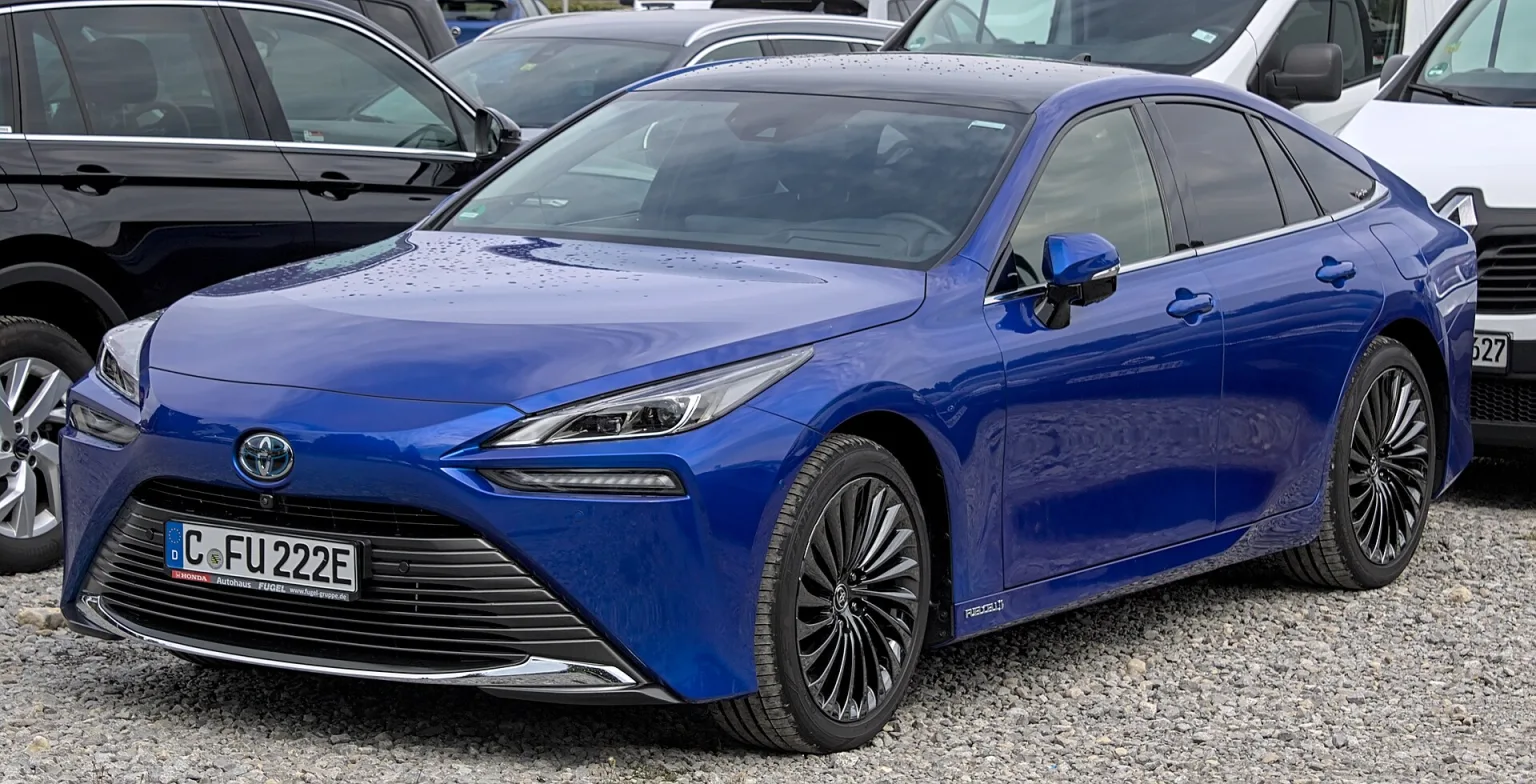
Toyota is investing in new Japanese facilities to scale up fuel cell stack and hydrogen tank production, aiming for at least 30,000 fuel cell vehicles annually after 2020.
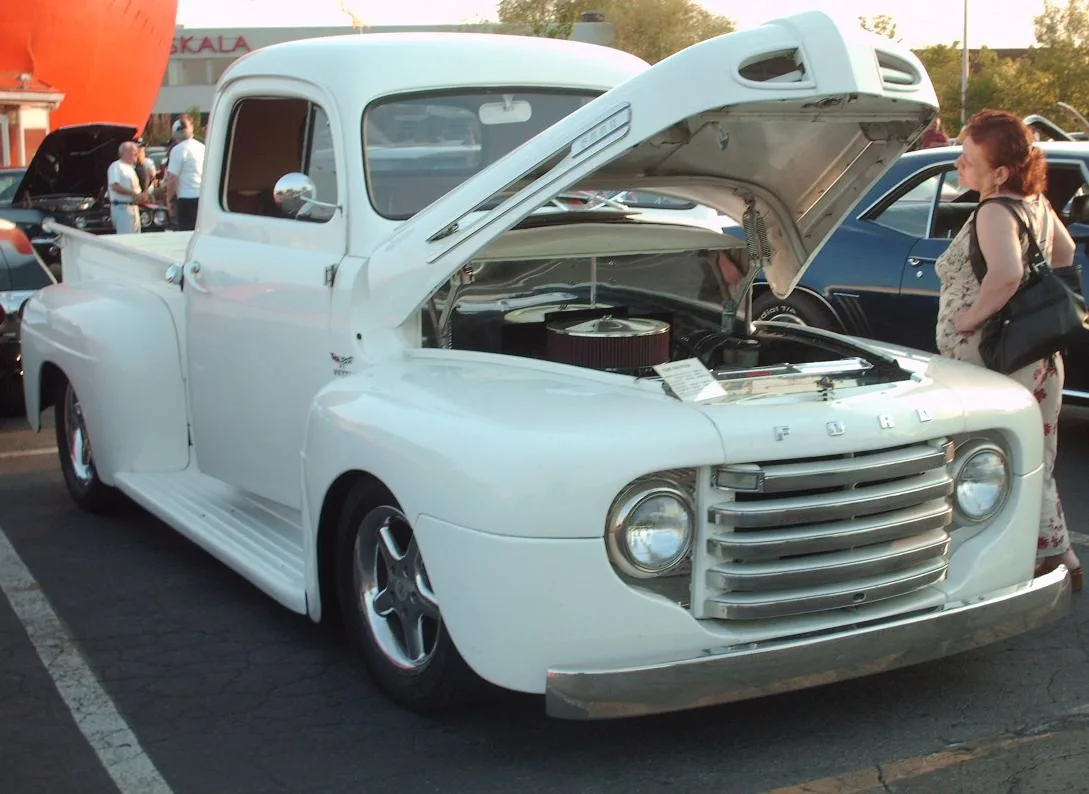
Strong sales of F-Series trucks, Fusion and Escape drive Ford to a $1.6bn net profit for Q1 2013, despite deepening losses in Europe and South America.
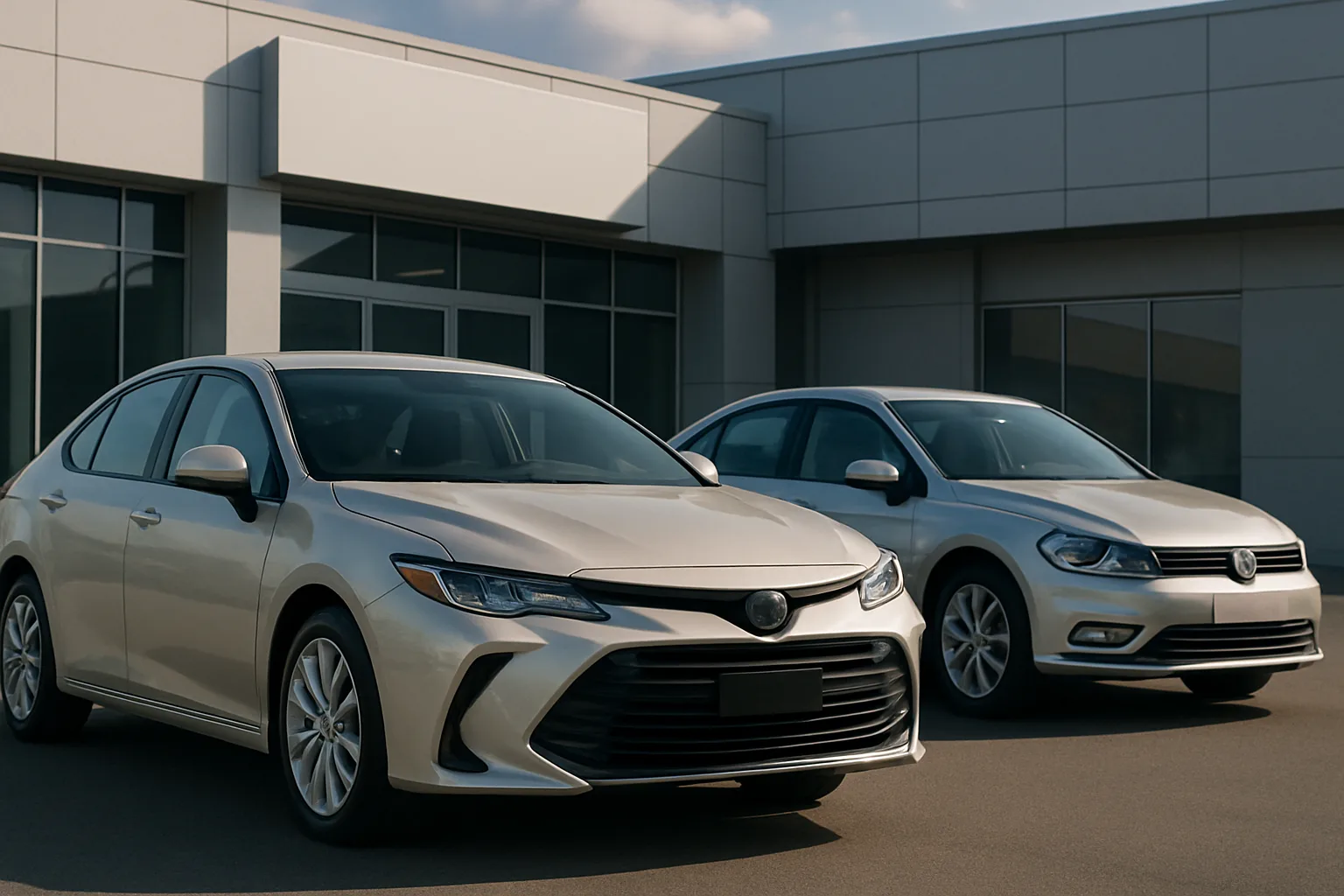
Toyota retained its position as the world’s top-selling automaker in the first nine months of 2013, outpacing Volkswagen and General Motors despite mixed results across key markets.
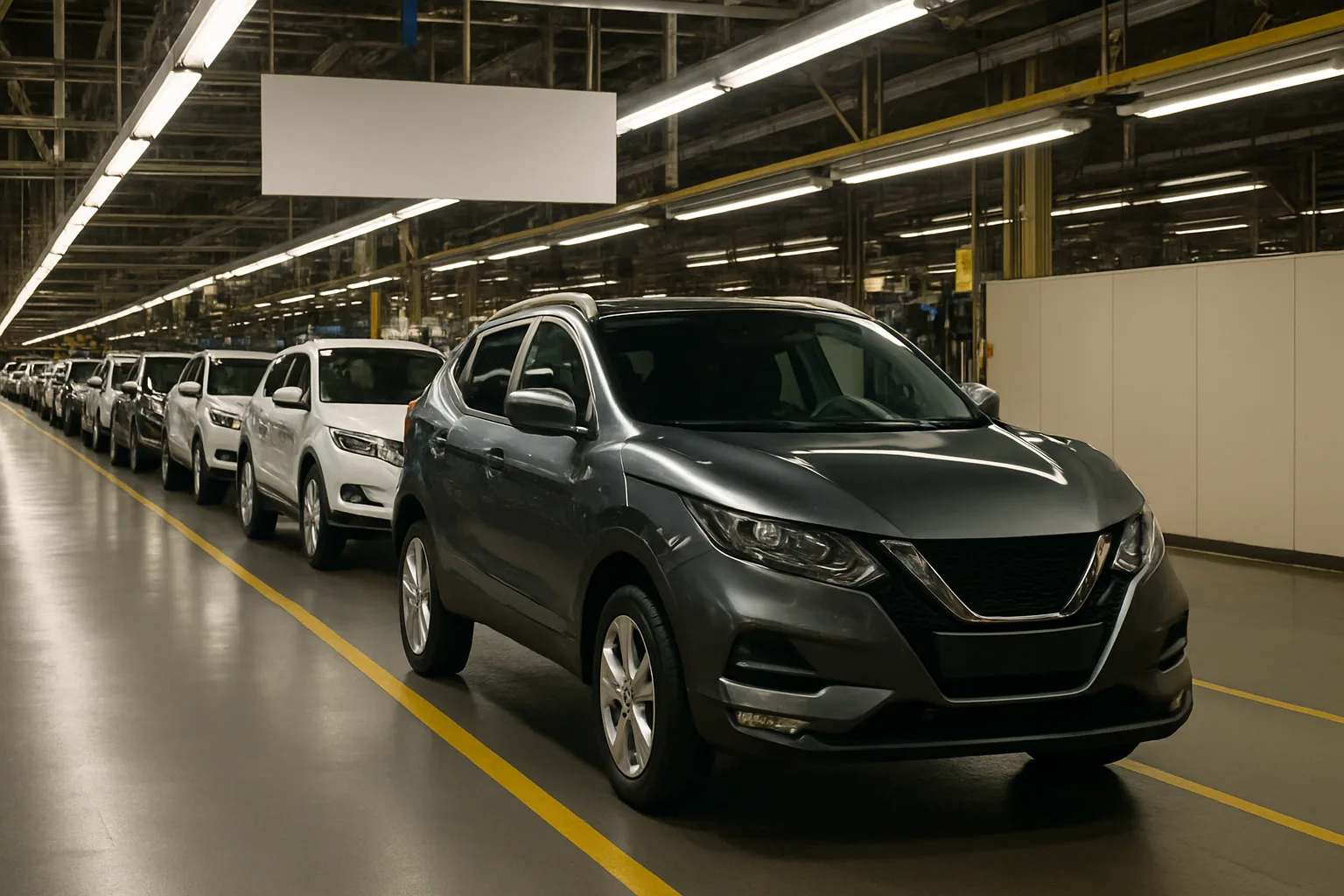
The Sunderland plant reached the one-million Qashqai milestone on 28 June 2011, just four and a half years after production began, setting a UK industry record.
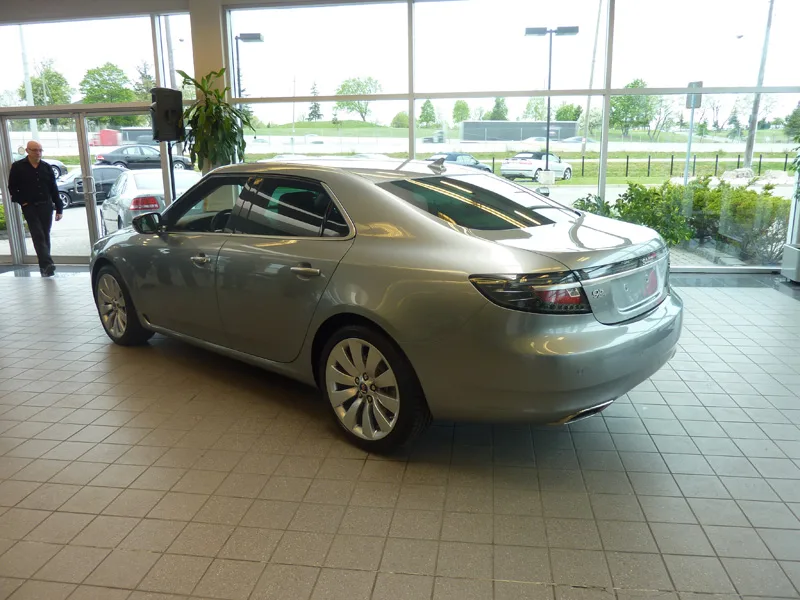
Saab Cars North America has halted all warranty processing for vehicles sold in the US and Canada, leaving buyers of 2010 and 2011 models without coverage as of December 2011.